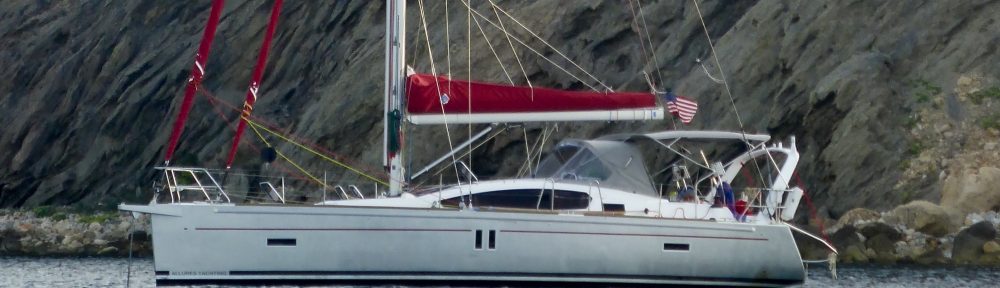
Our first experience on the French Canals began in April, 2017 on our brand new sailboat “Ice Floe deux”. We bought her in Cherbourg. Cherbourg is situated in the north of France on the English Channel.
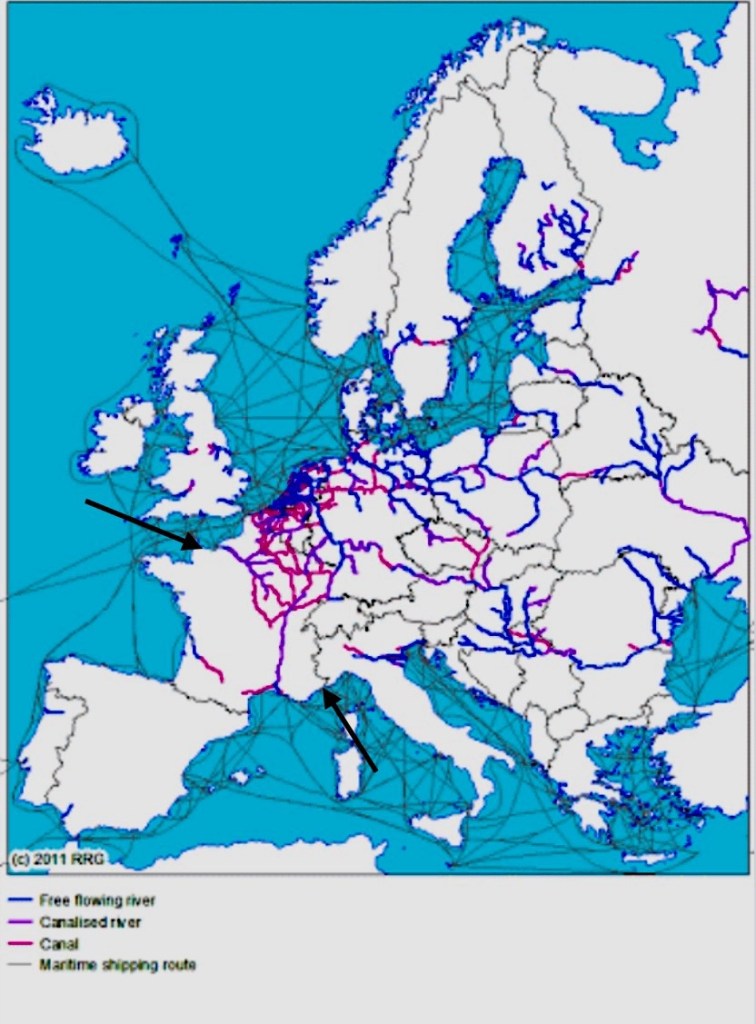
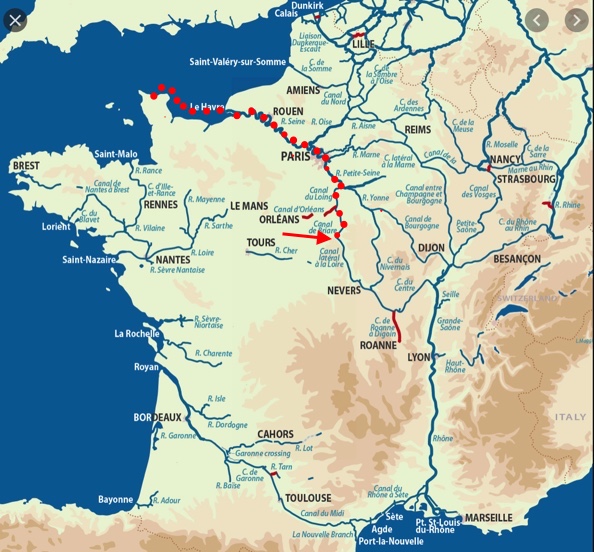
This depicts the extensive canals and waterways of Europe. The arrow in this photo between France and England points to Cherbourg and the arrow on the Mediterranean coast points to Nice (approximately).
On this voyage we passed through beautiful villages, vineyards of great distinction, the very heart of Paris, Lyon, and many other cities. Our trip on the canals ended in Nice, on the Mediterranean coast. The trip took 3 weeks.
We flew through 189 locks, and crossed 2 aqueducts as we bisected France from North to South following a brisk itinerary that involved joining guests and family at specific locations.
There are quite a few Blogs on this site detailing this amazing journey. We knew we must come back. This time, we would immerse ourselves in all France has to offer at a snail’s pace.
Speaking of Snails…
Snails, we have concluded, thrive in France – with little to no sense of boundaries.
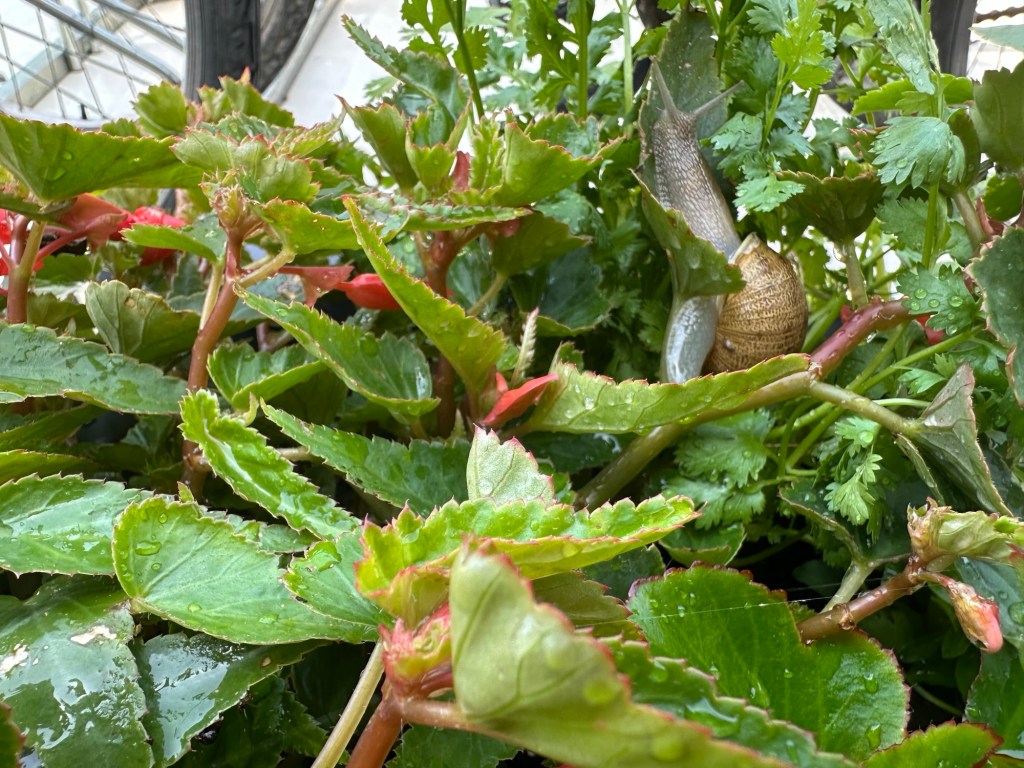
They sneak in through your windows (we have put up screens)Snails find their way to planters on the boat deck (we gently send them back to land).
It is well known that many snails are eaten in France prepared as escargot. I cannot personally verify that the small garden snails we have been entertained with are eaten, but I do see some reference to that in my reading.
The snails we have been observing are most active in the rainy season. They are known to display a very interesting behavior during very dry and hot weather. We saw this shortly after we arrived. It did not rain for a solid month and temperatures were a stifling high 90s and low 100s.
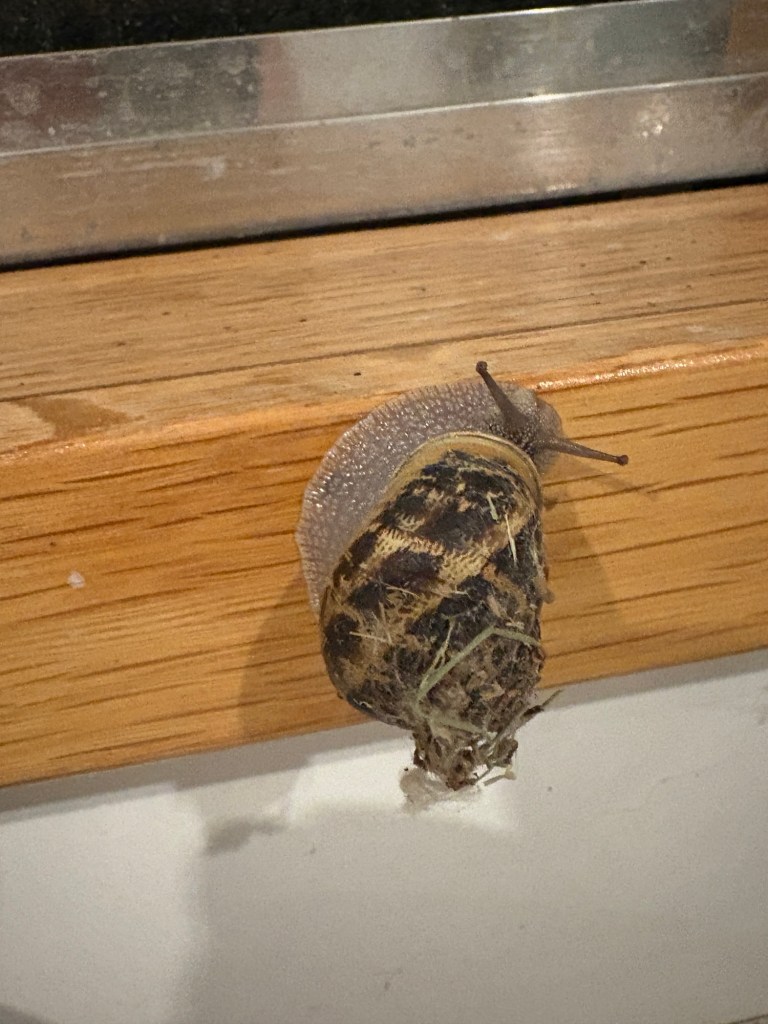
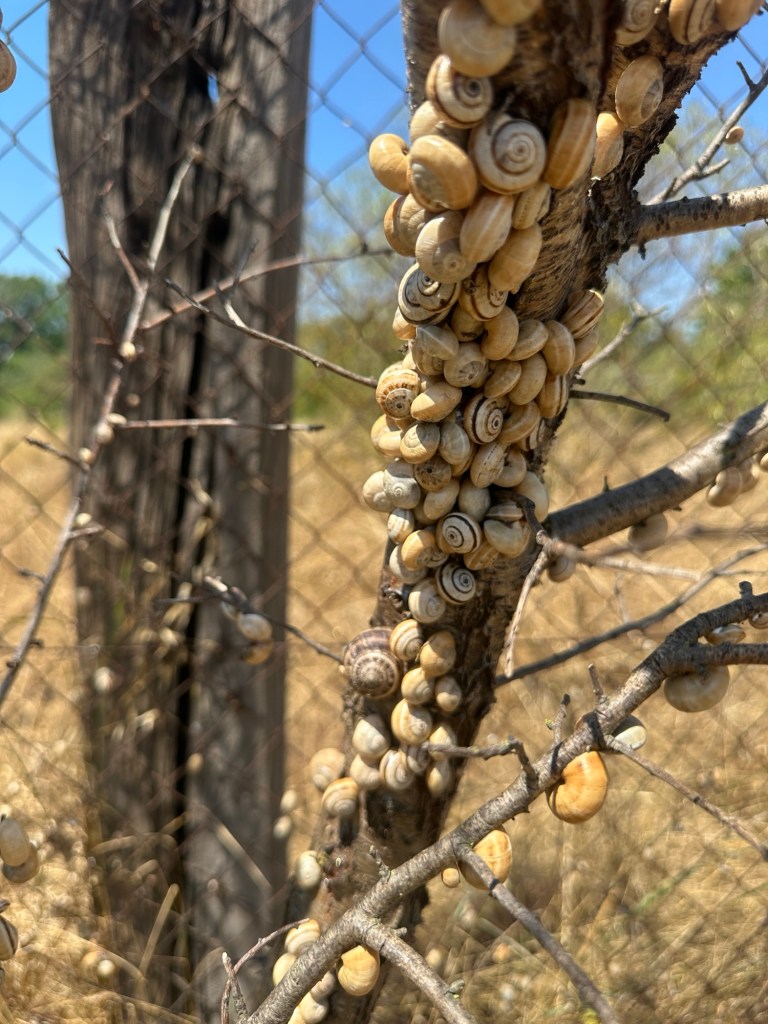
During hot, dry spells, this is a photo of snails “aestivating” – having climbed up a tree or stalk, they cover the opening to their shells with a thin membrane, and remain dormant until weather conditions improve.
We have also seen larger snails that appear to have partially buried themselves in the soil.
These, and many more interesting things await our discovery as we canal our way through the miles and miles of French canals.
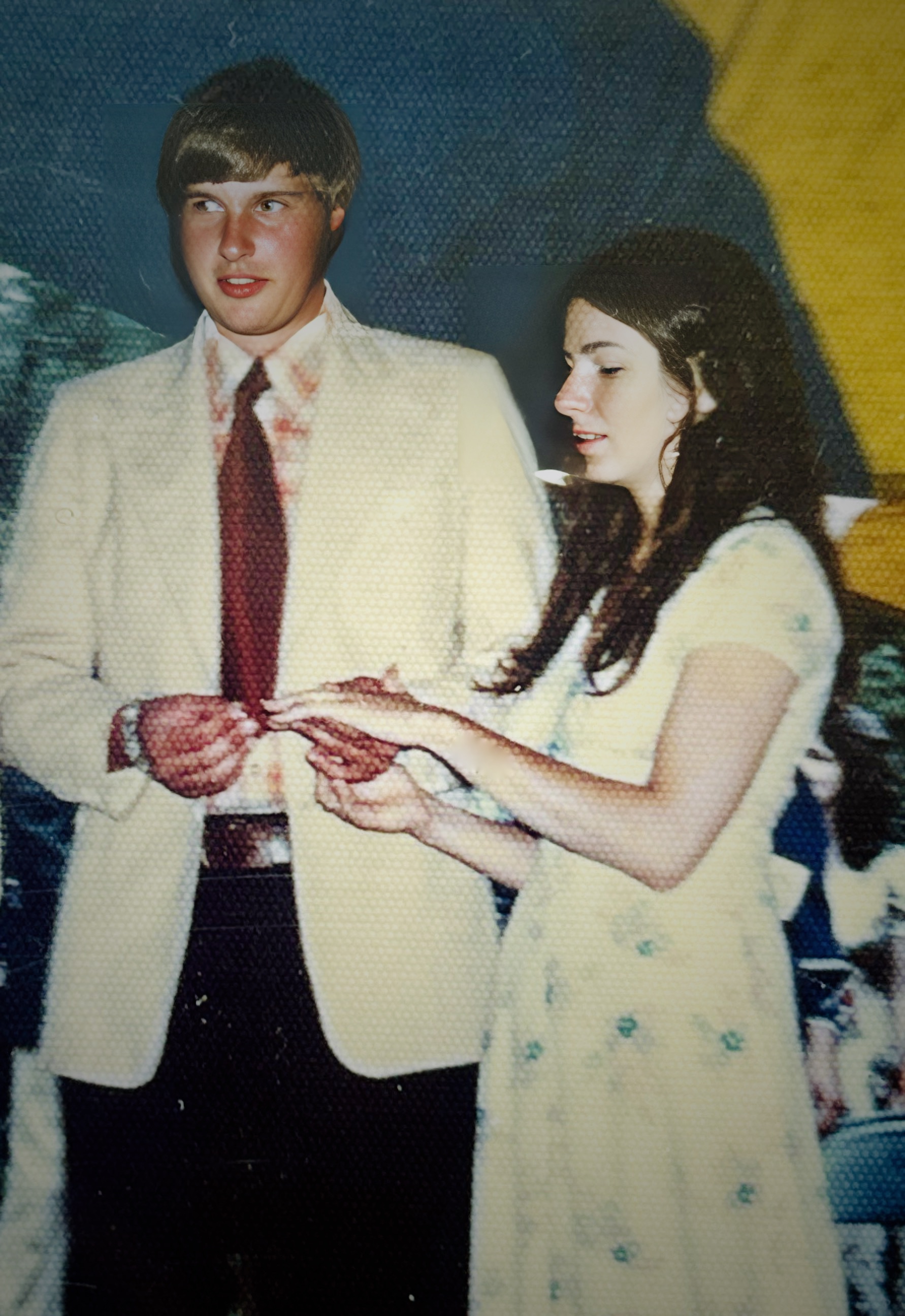
On, July 12, 1975, it rained so hard at my childhood home, the streets flooded. It was George’s and my wedding day. Fifty years later, we are celebrating our wedding anniversary, on our Canal Boat in France and the rain won’t quit.
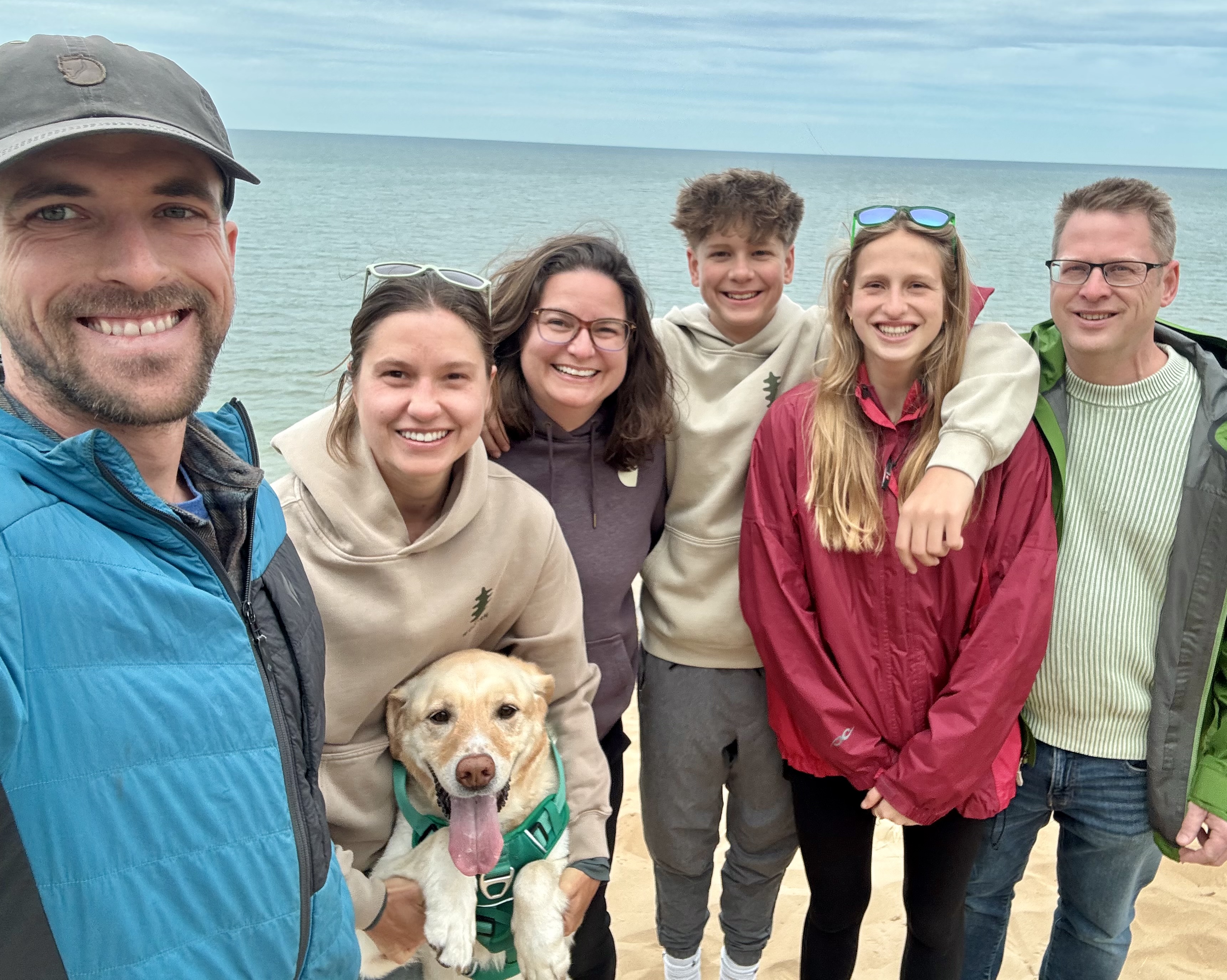
Our lives have included a roller coaster of twists and turns and ups and downs. The anchor has always been our daughters, their husbands, our grandchildren, and our extended family.
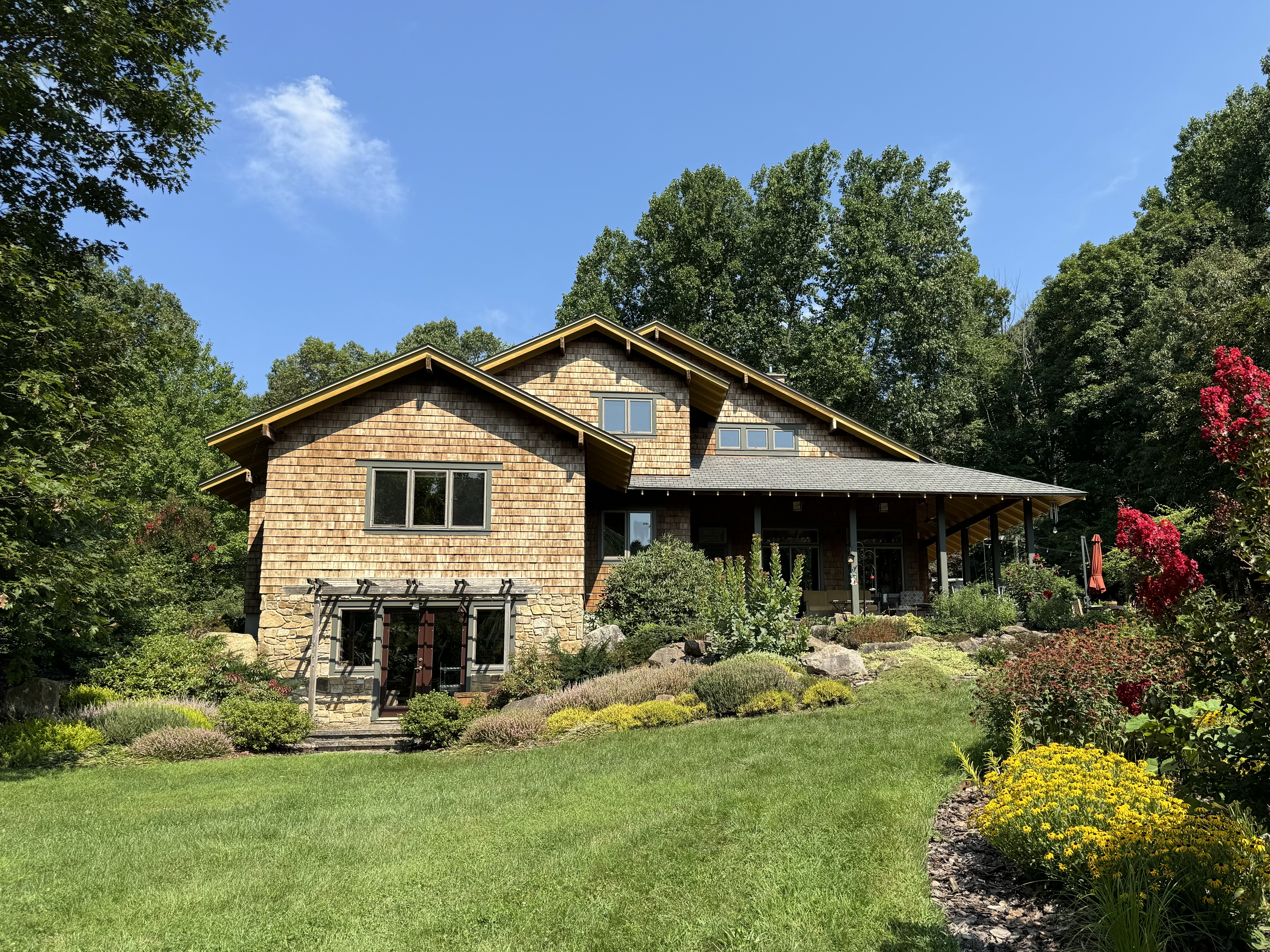
After retirement our love of exploring the world took us away from home most of the year. It made sense to sell our home, but this was an incredibly hard decision for me. George had designed and built this home and we had planned for it to be our “Forever Home”. I will never stop “missing” this home, but life poses difficult choices. A large family including a grandmother, husband and wife, and four children now live there and we wish them much joy and memories.
We now live on Ice Floe while sailing, our canal boat “Detour” in France, a small minivan while visiting family in the US, an apartment in my brother’s home in Florida and a beautiful home in Carriacou, while needing a bit of extended landlubber time,
Future blogs will not always be chronological. They will be about experiences we hope you will enjoy reading about and know we will enjoy revisiting.
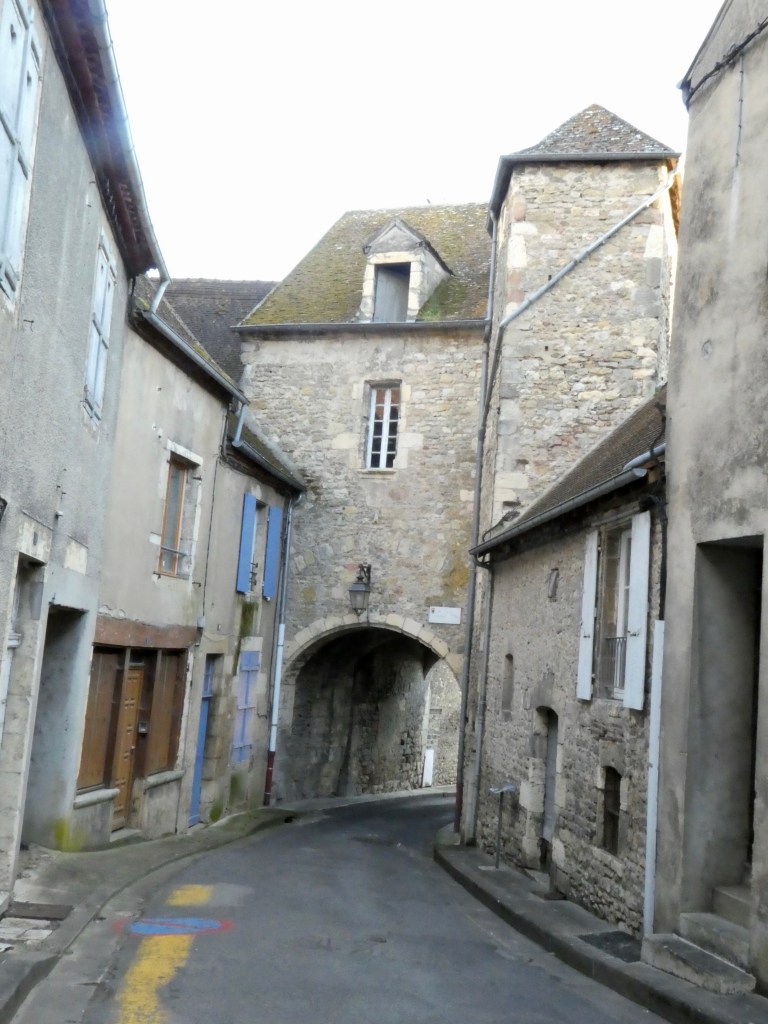
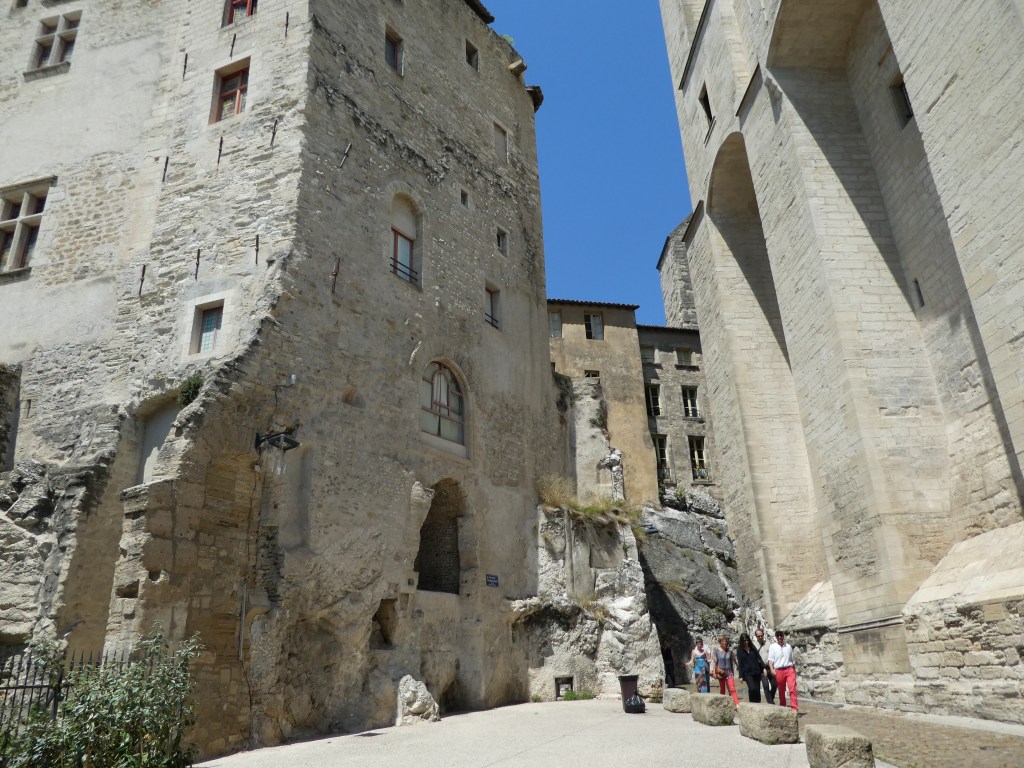
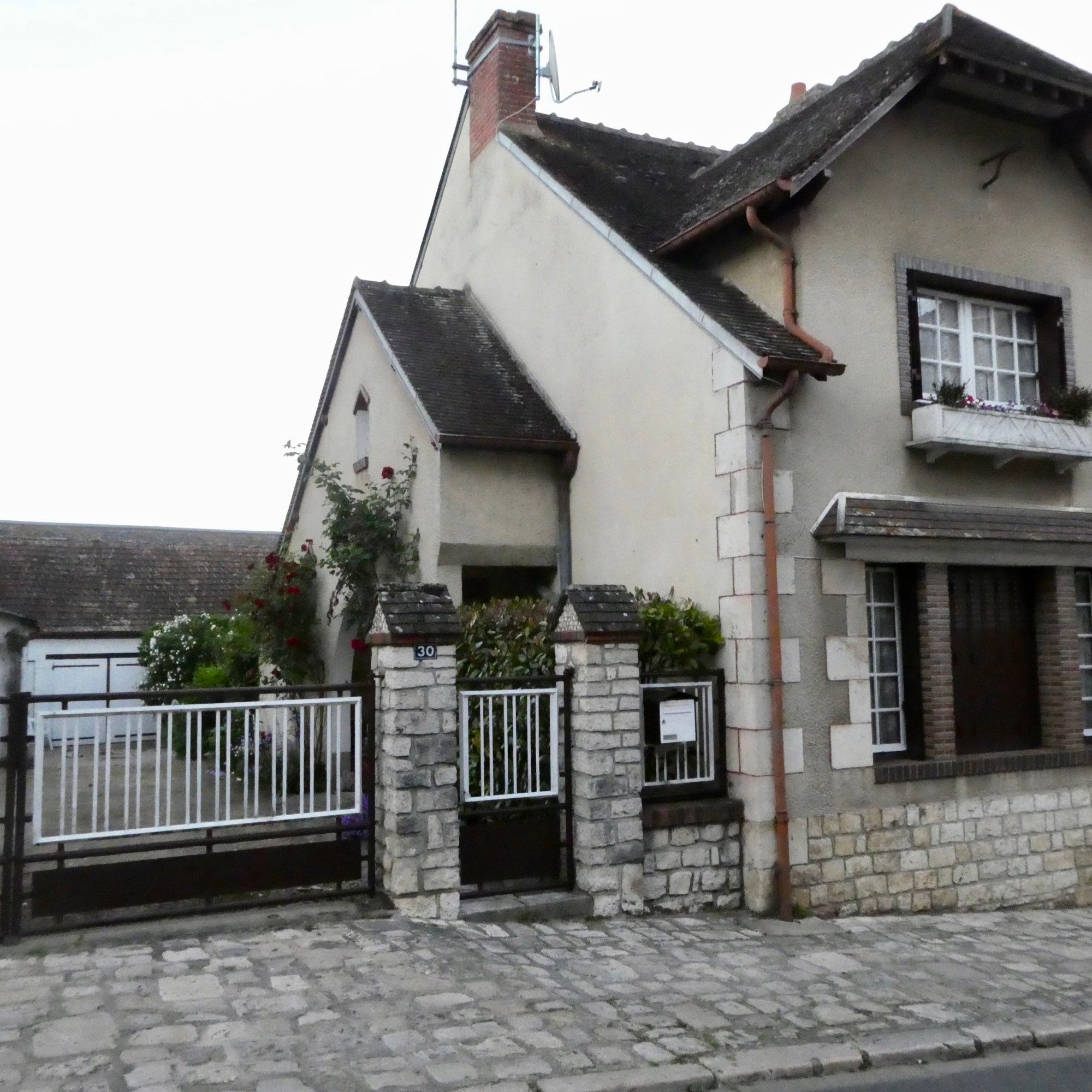
Almost every village, town, or small city we have visited has at its center, tall connected buildings with similar architecture that date back to the town’s beginning. There is often little adornment on the building’s side facing narrow streets and walkways, although the doors are often quite attractive and container plantings soften the appearance. Windows are customarily shuttered. Our visits are often in early evening and the inhabitants are in their homes with family having dinner.
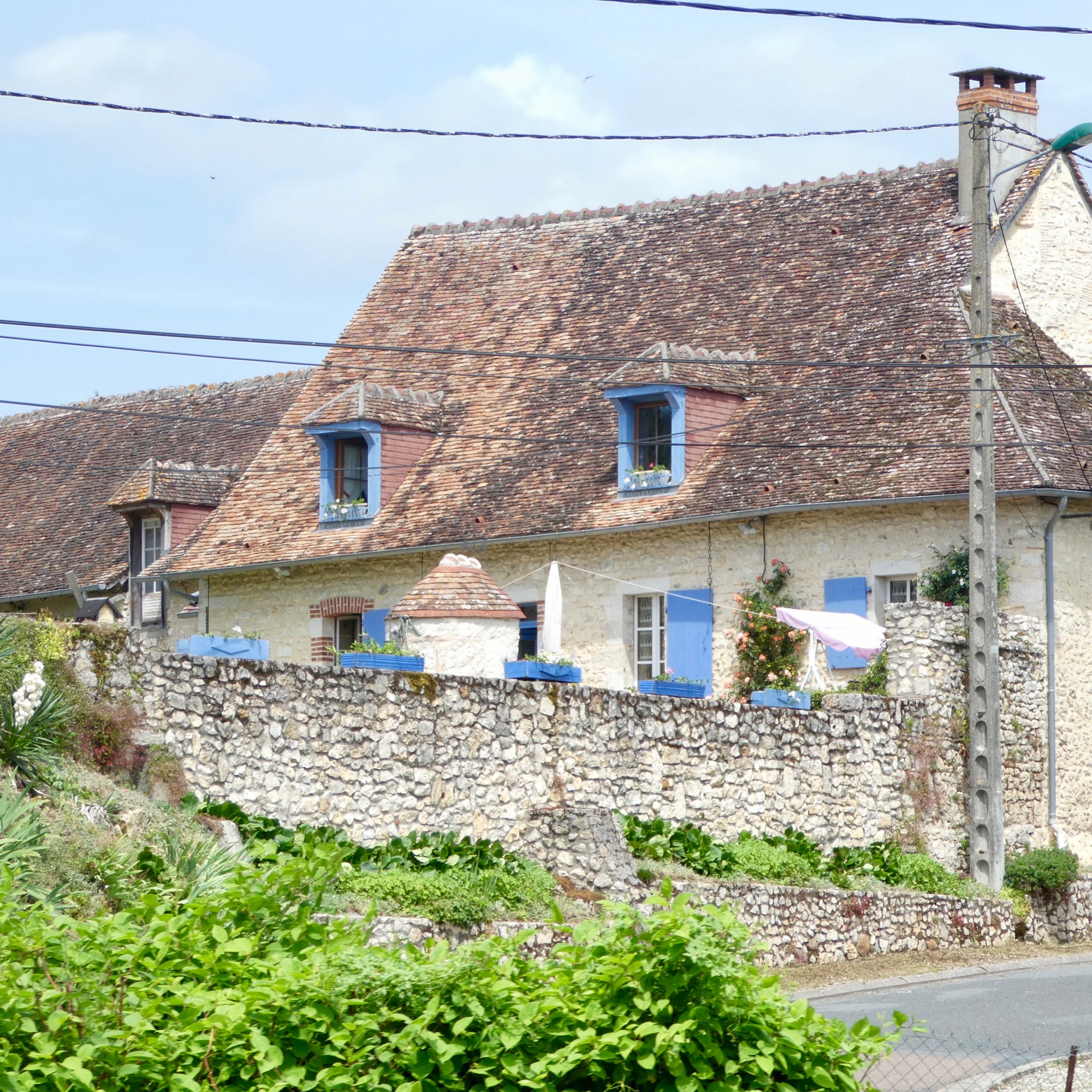
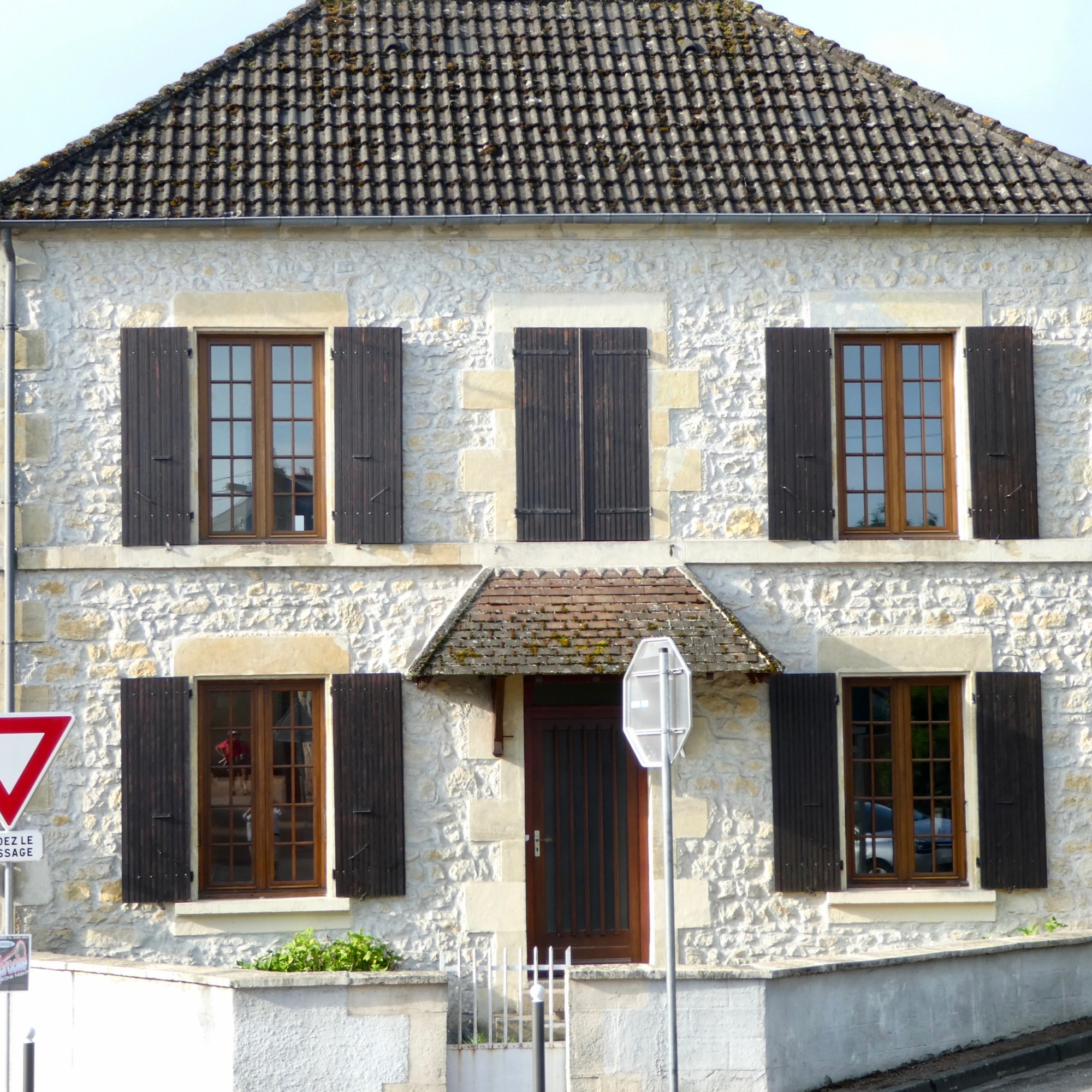
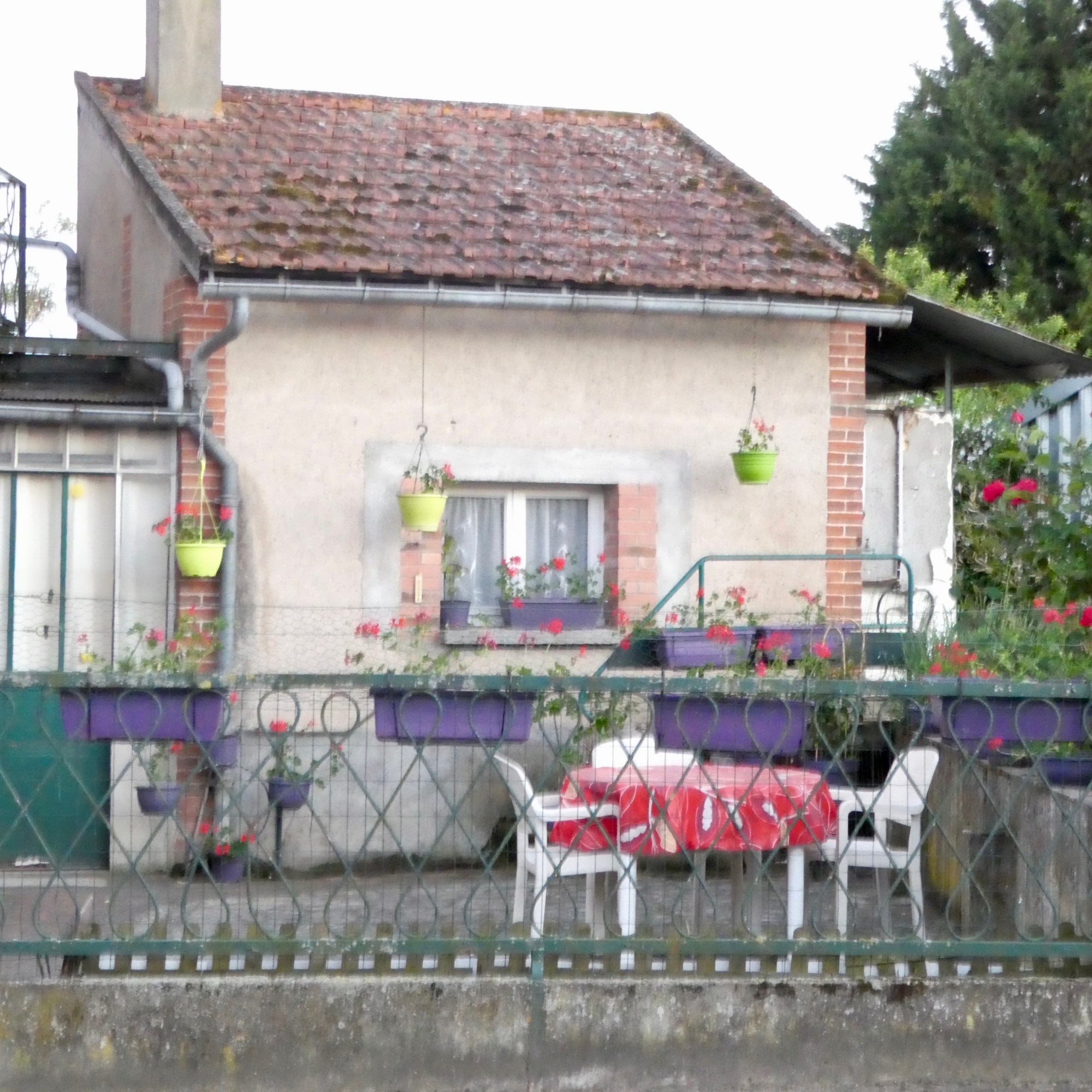
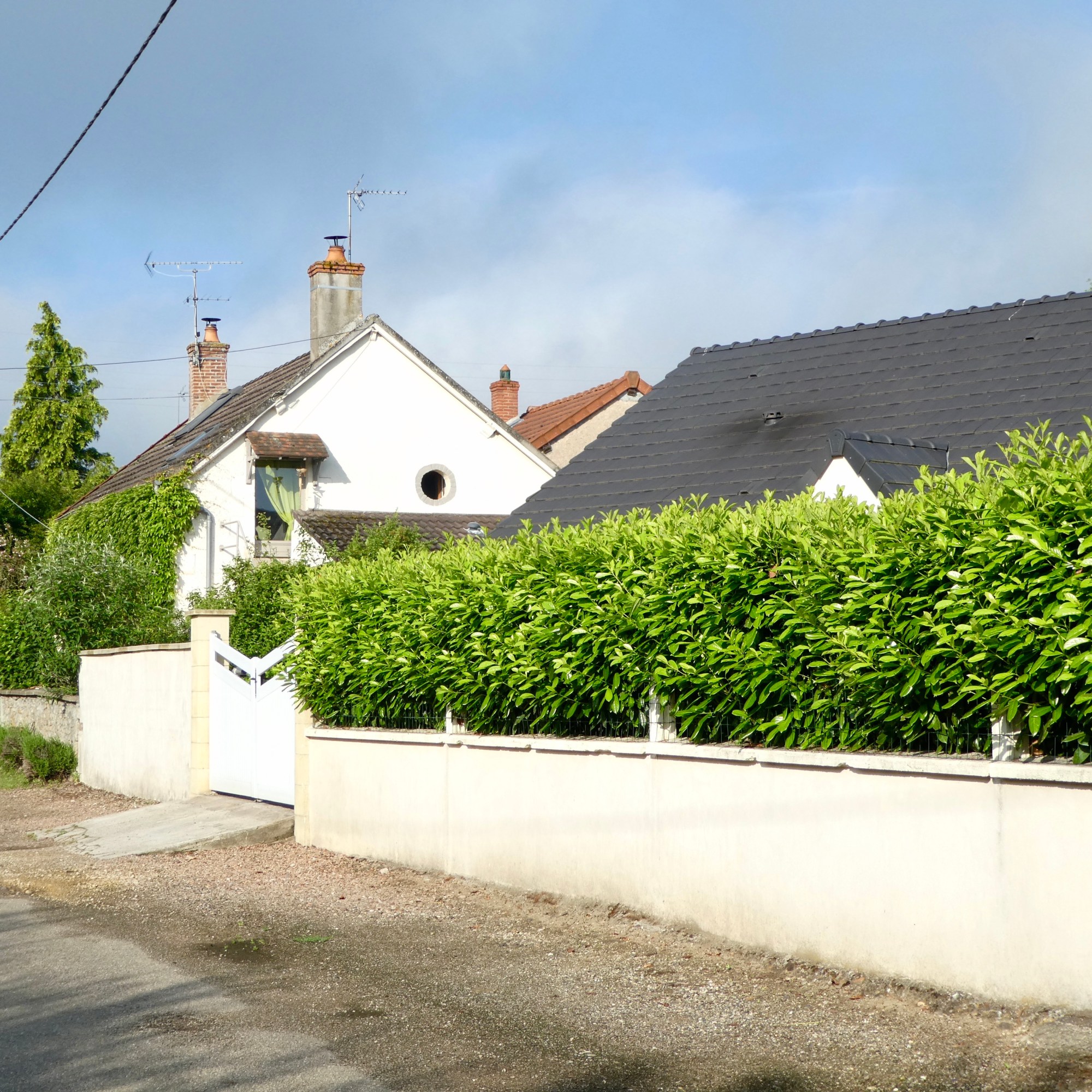
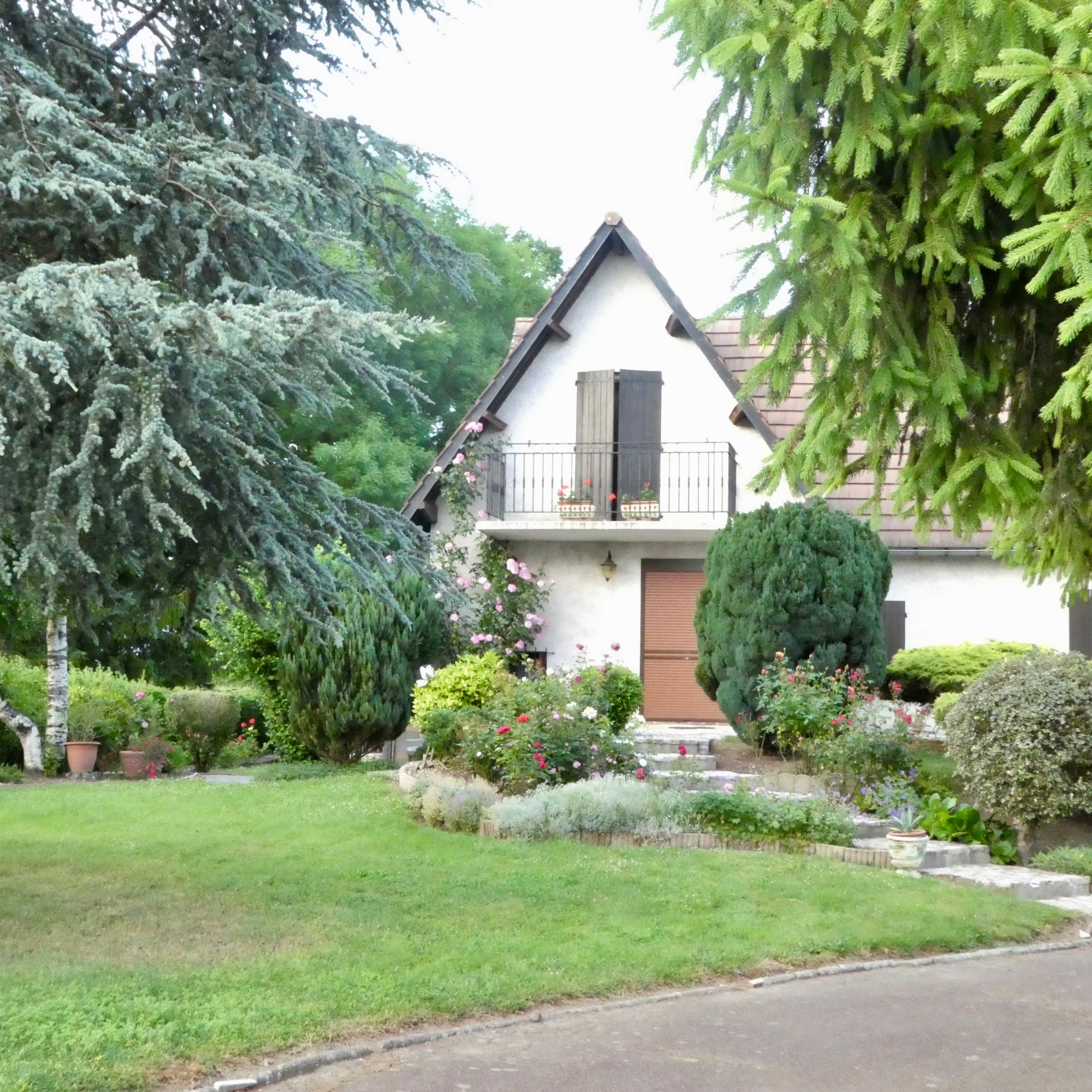
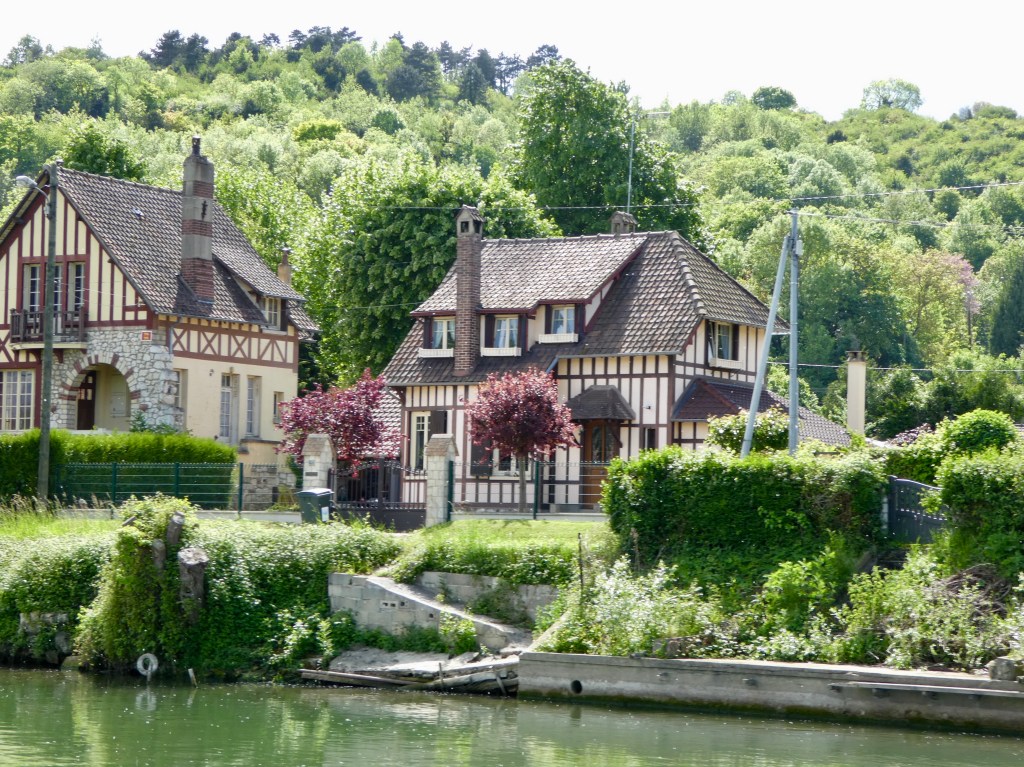
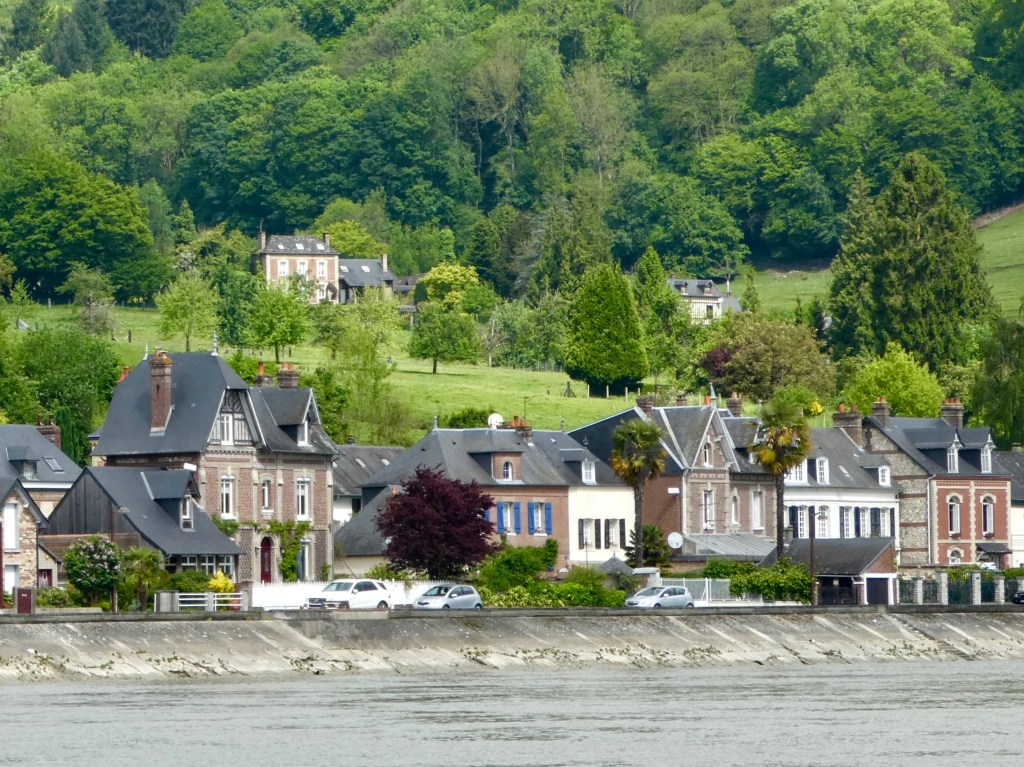
In larger towns, as you move out from the ancient centers, the homes are more commonly one or two story and surrounded by walls and hedges. With few exceptions, homes are of brick or stone; stucco is common and color is consistently a pale grey or beige. Roofs are clay or slate tile. While most homes share these properties, each remains unique in its character, details, patios, and gardens.
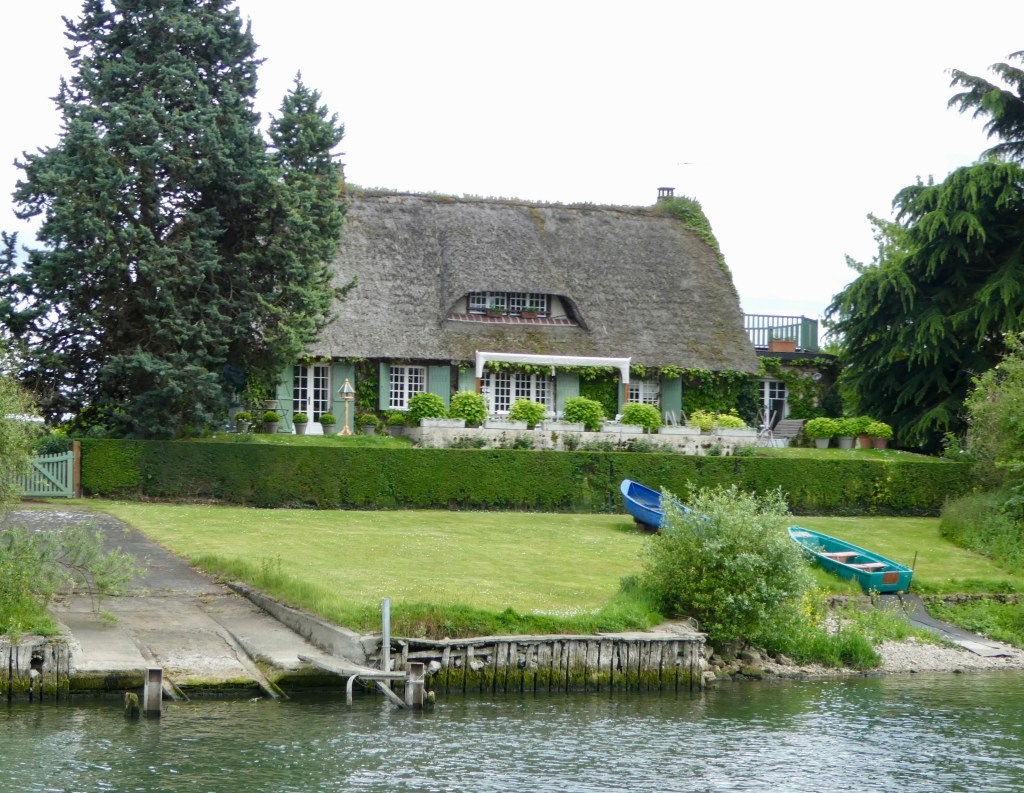
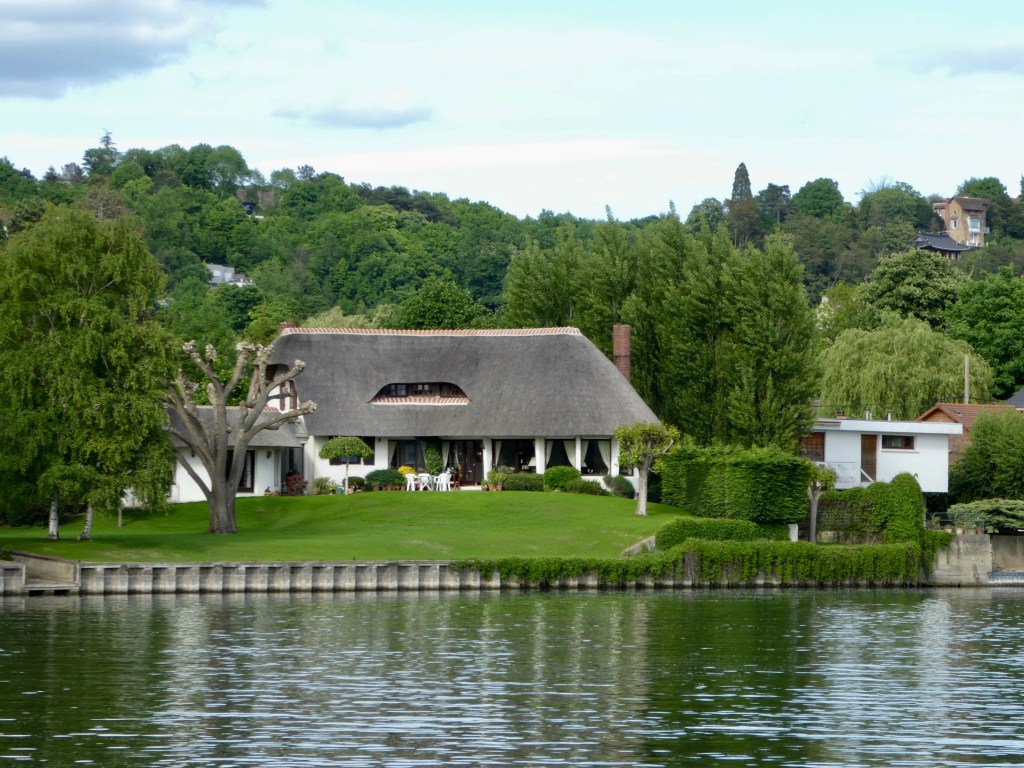
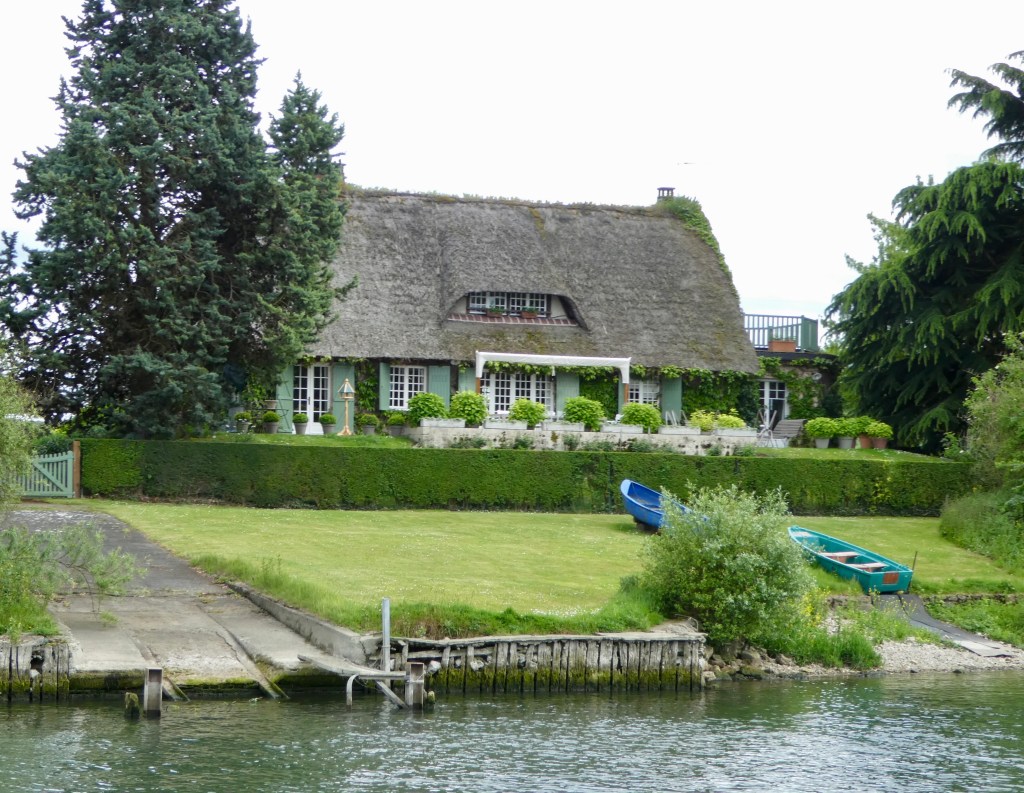
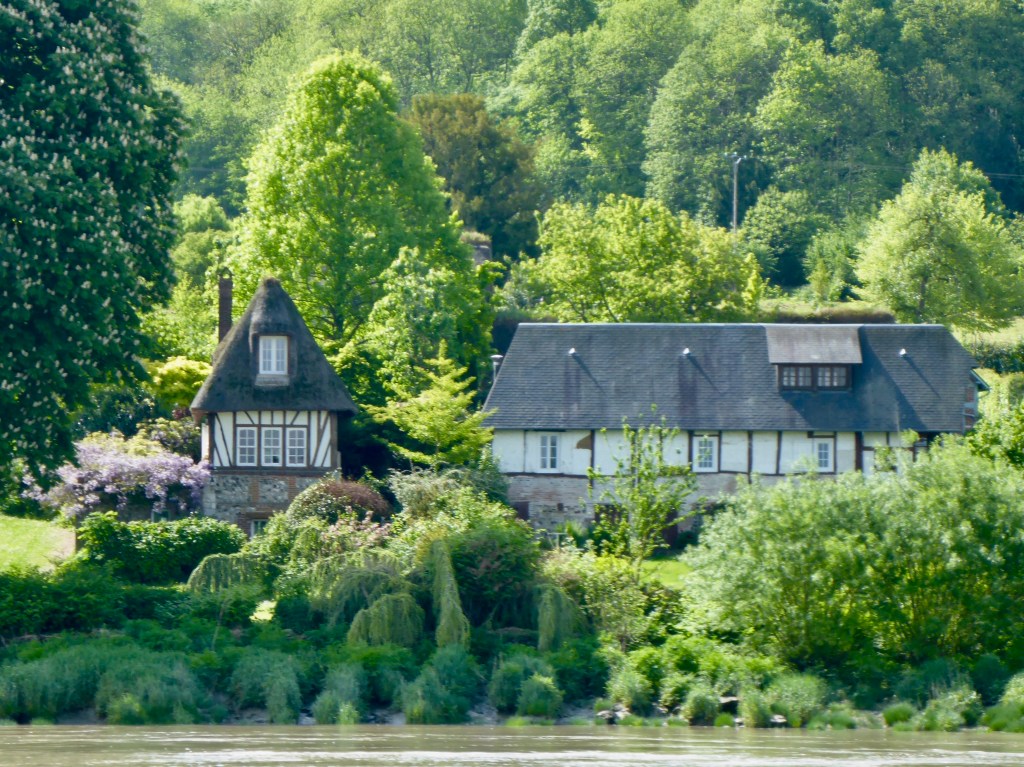
Homes viewed from the waterway represent many of the most lovely we have seen (this may be because we have spent most of our time sailing, and possibly because they tend to be less hidden behind walls and shrubs). The two homes below have thatched roofs.
Thatch can be made of many types of grasses, but those that are the most durable and masterfully sculpted are made from the hollow stems of grasses. Along the Rhône we saw farms of of phragmites and recently harvested bundles beside the river bank. Phragmites is a grass commonly used in France and roofs made from this type of material will typically last 60 years!!
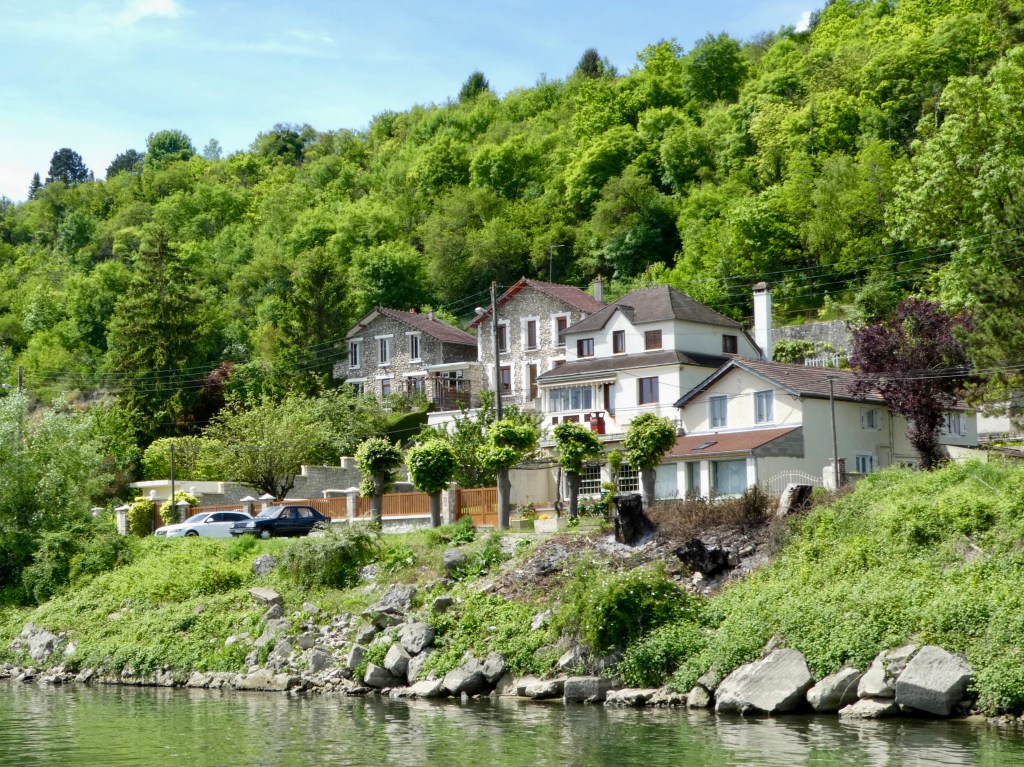
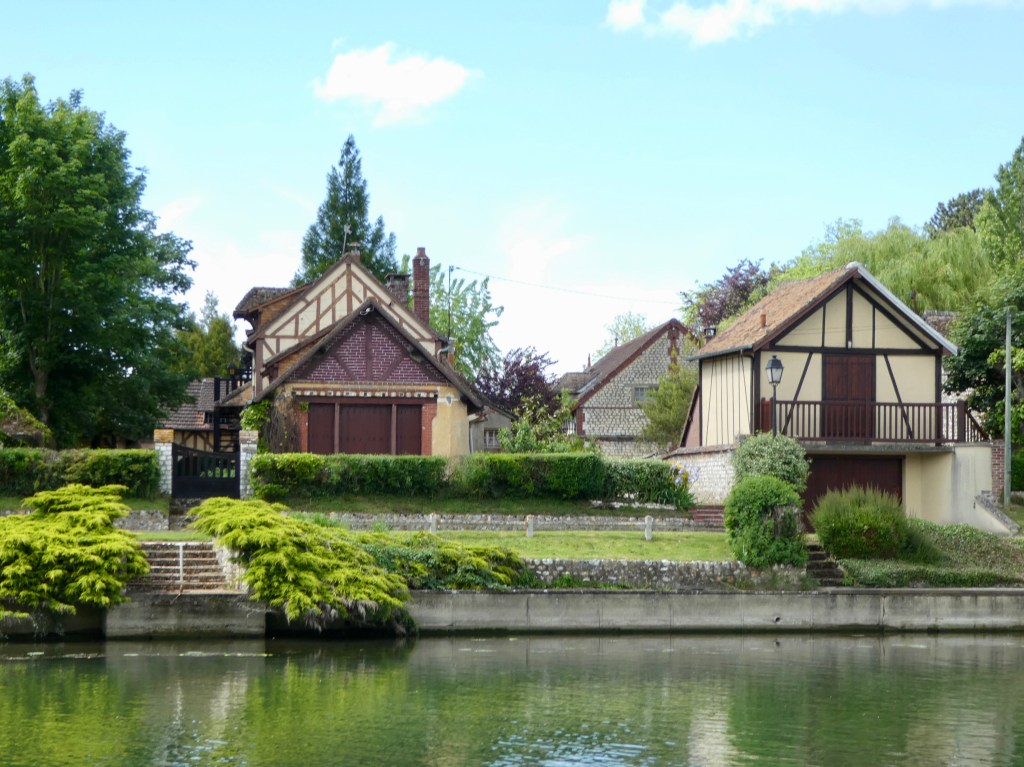
Groups of homes are common.
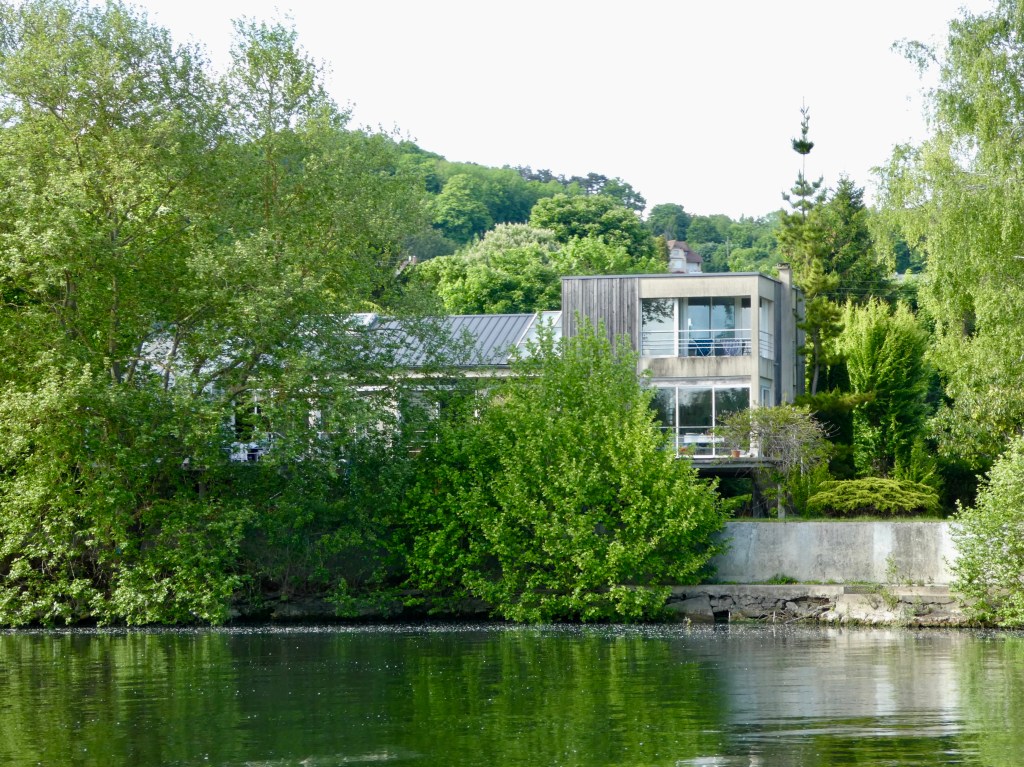
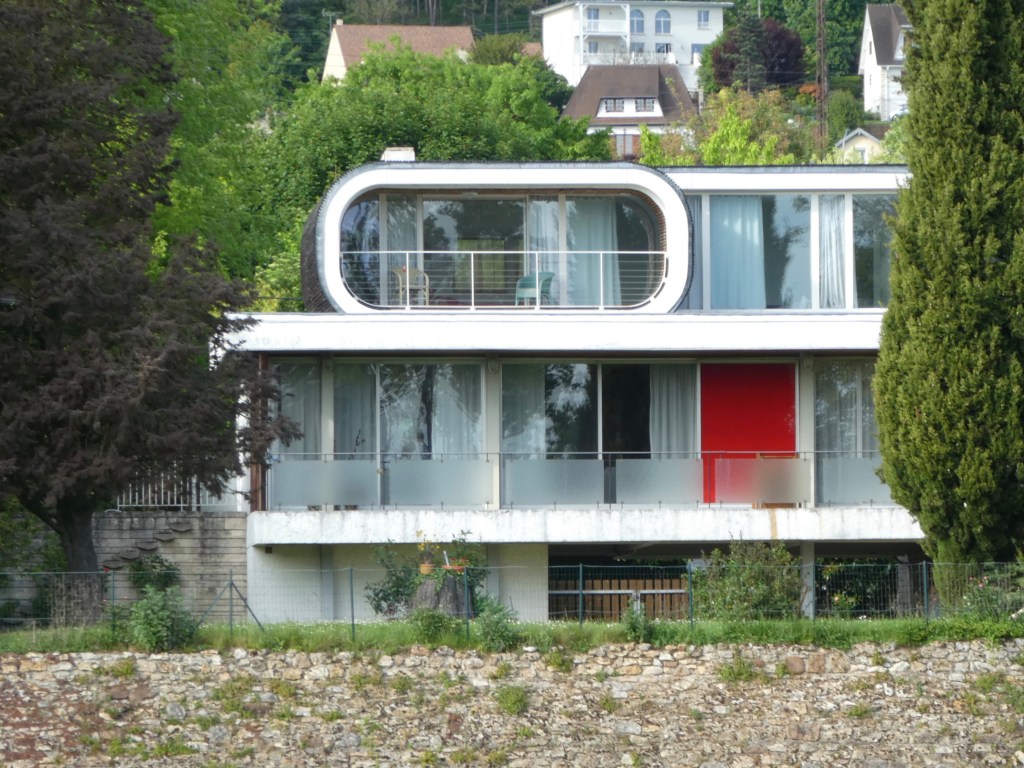
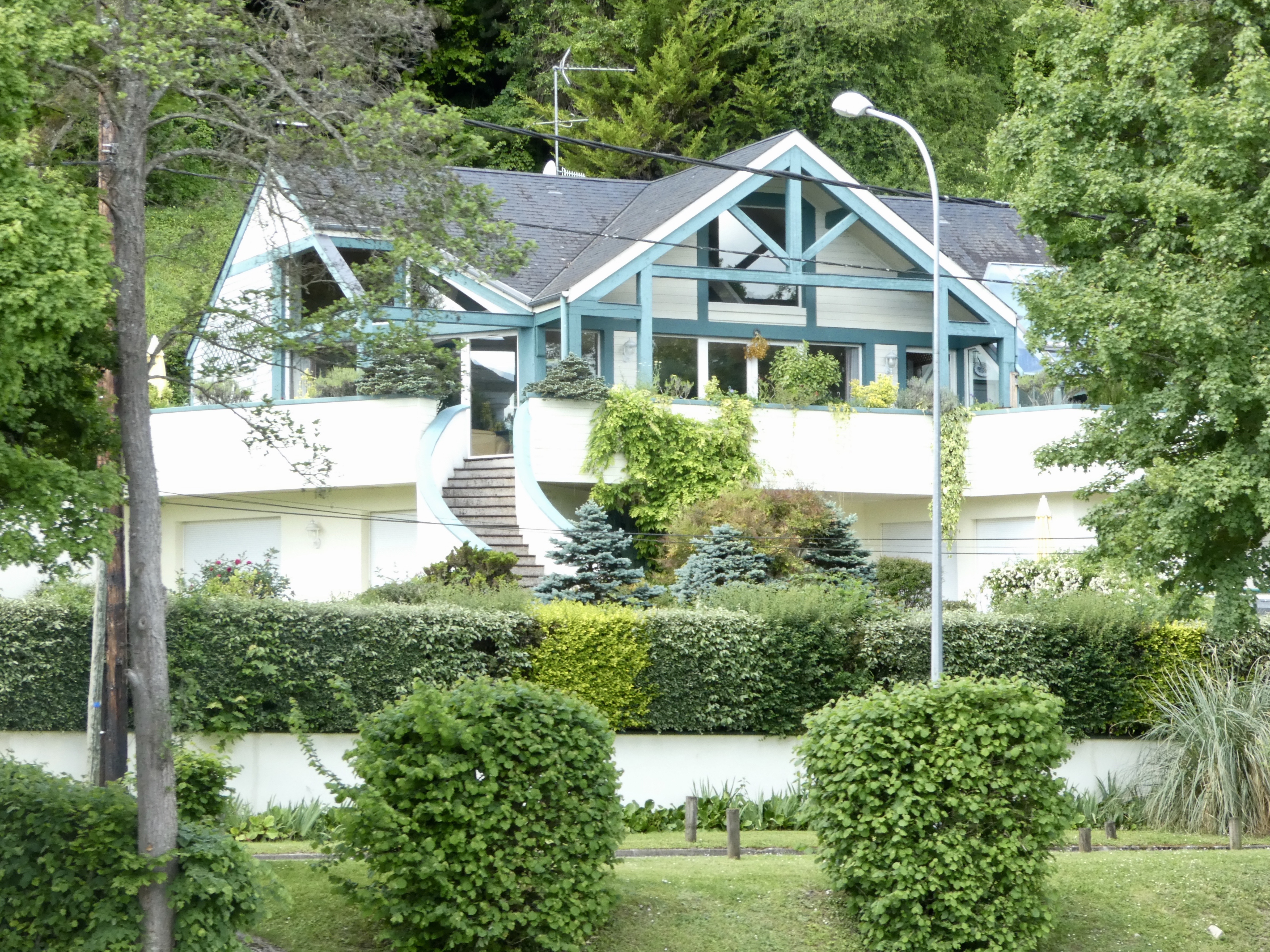
Contemporary architecture is uncommon outside mid to large cities, and is typically restricted to large buildings. These two homes sit alongside more traditional neighboring homes on the Seine.
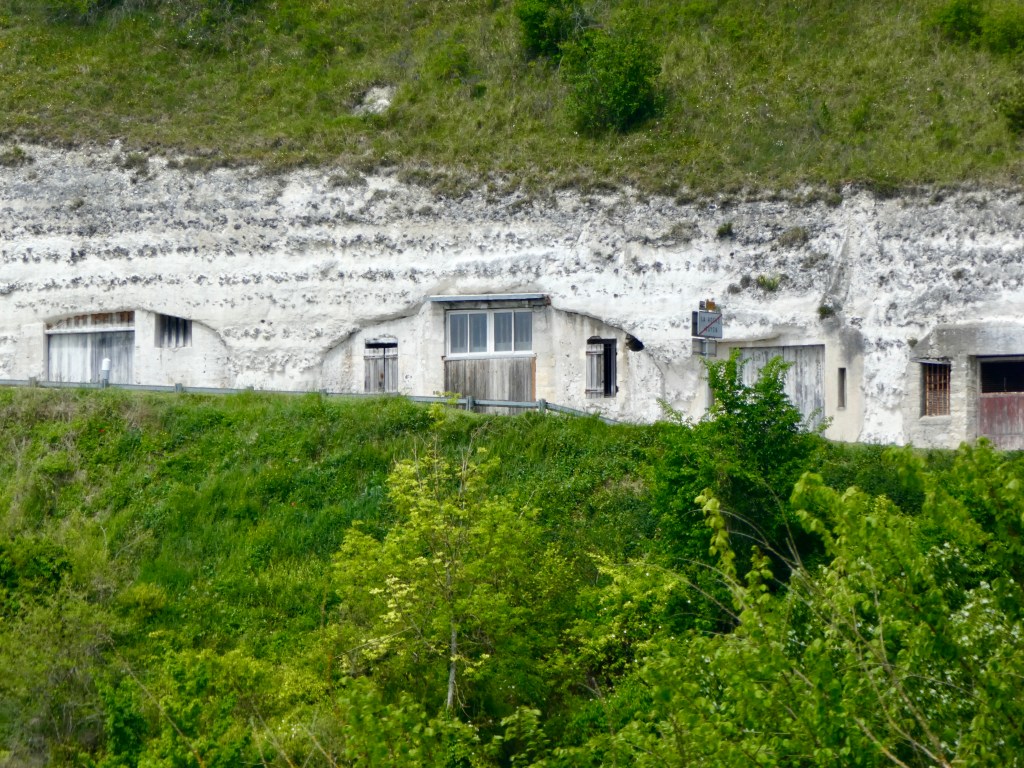
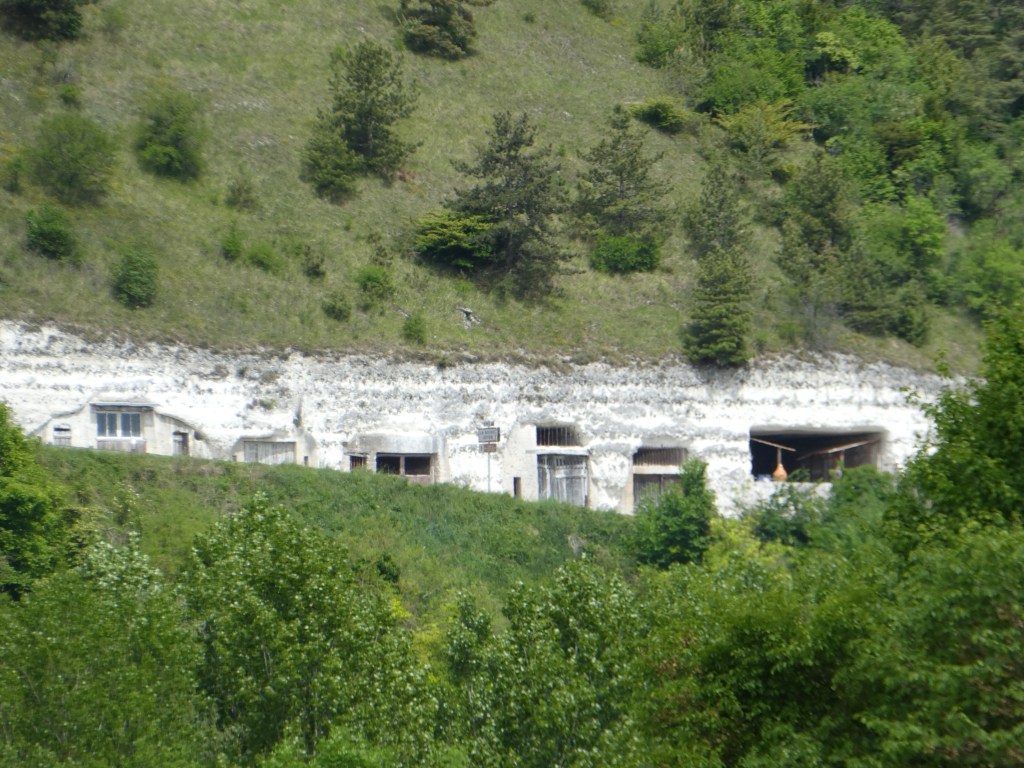
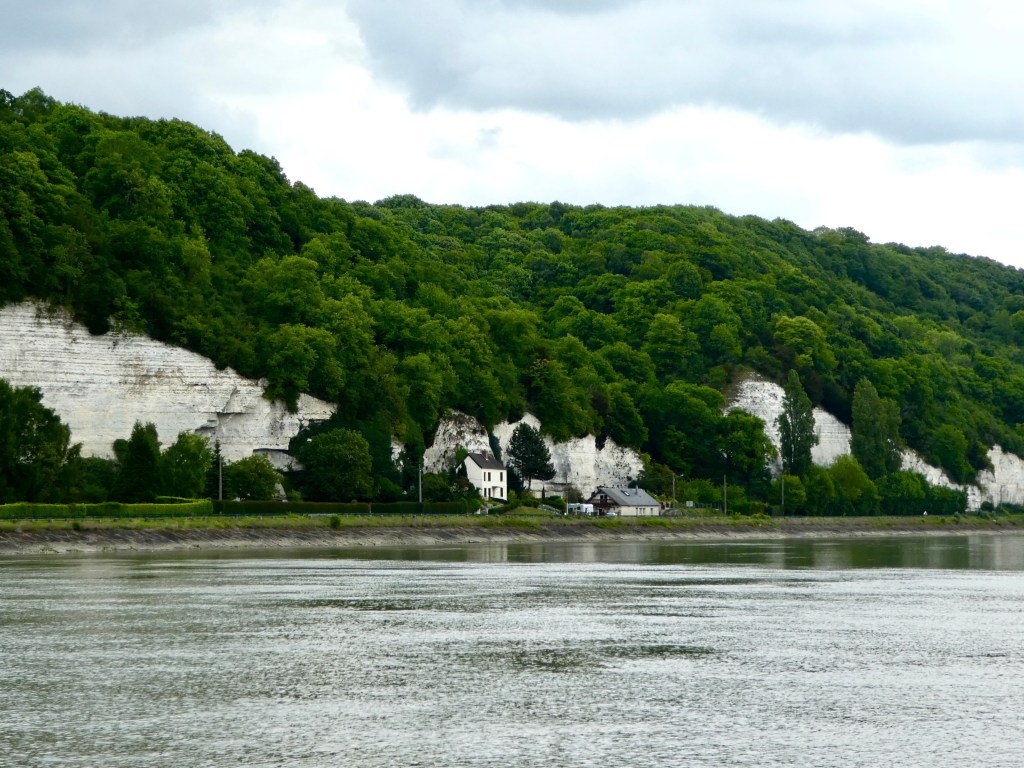
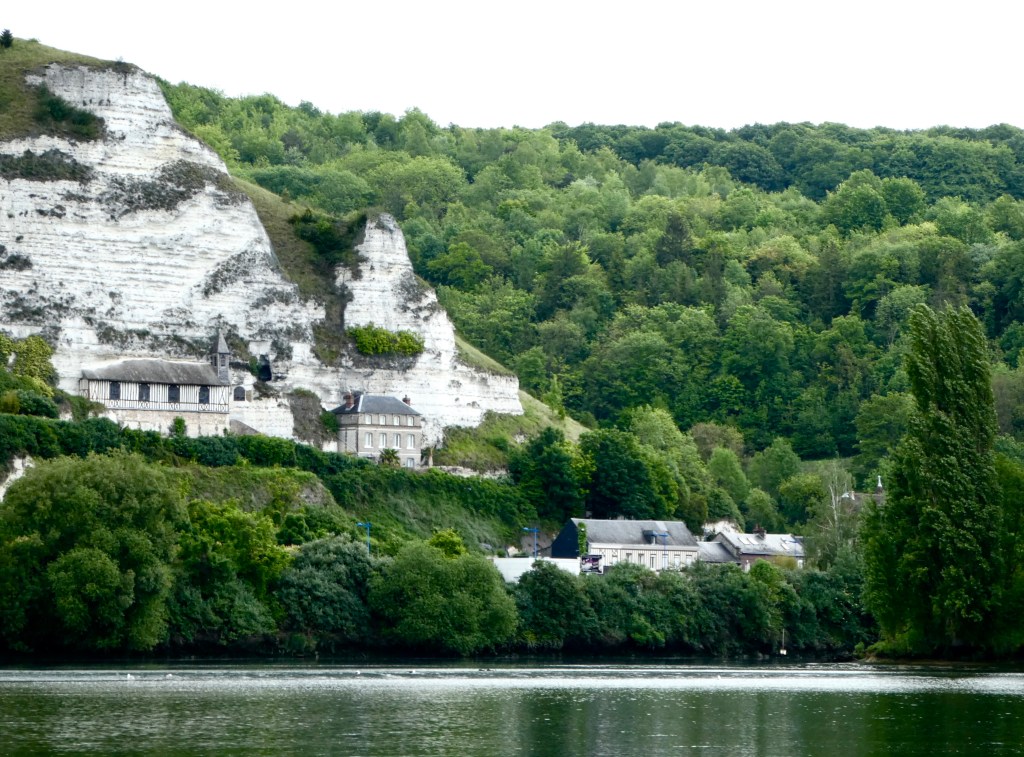
Along the Seine there are hills with white stone cliffs. We understand this is the type of stone quarried for many buildings in France. We observed a number of homes and buildings where the back portion of the roof or the side walls join the cliff. In some cases, garages for an existing home were carved into the stone. In the most unusual cases, the only parts of what appears to be a cave-home within the cliff are windows and doors. We understand that these cave homes were initially built and inhabited to hide from danger – subsequently for cheap living – now most are uninhabited, but there are still cave-home communities in France.
I have been unable to learn anything about this specific group of cave-homes along the Seine, shown here.
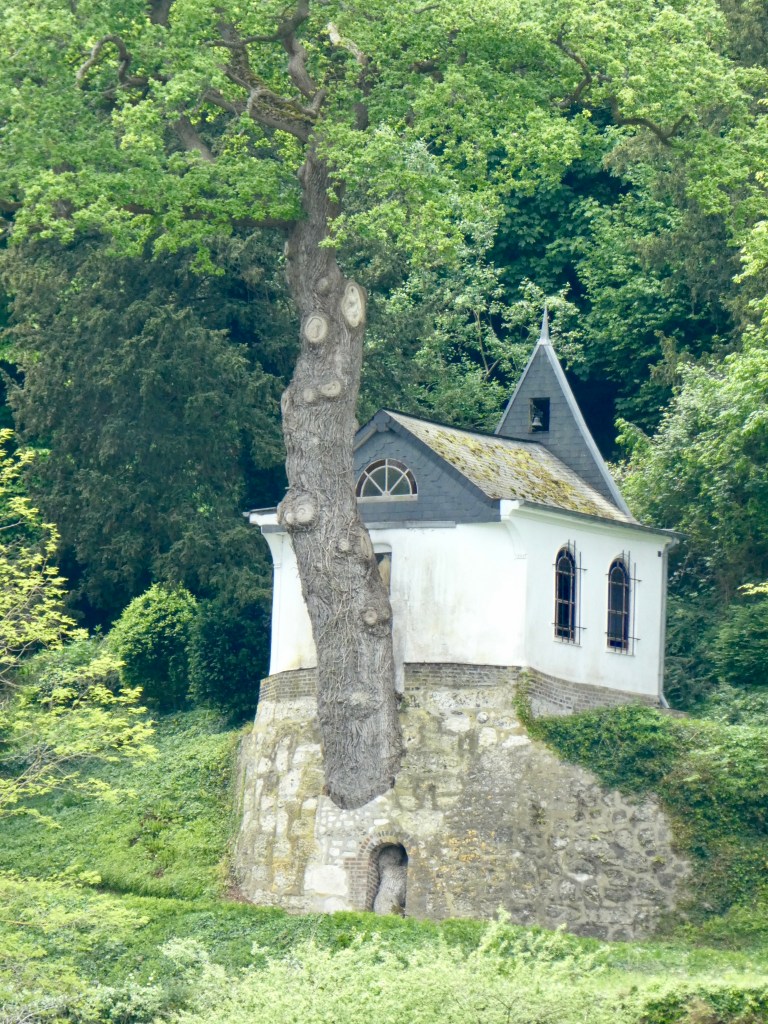
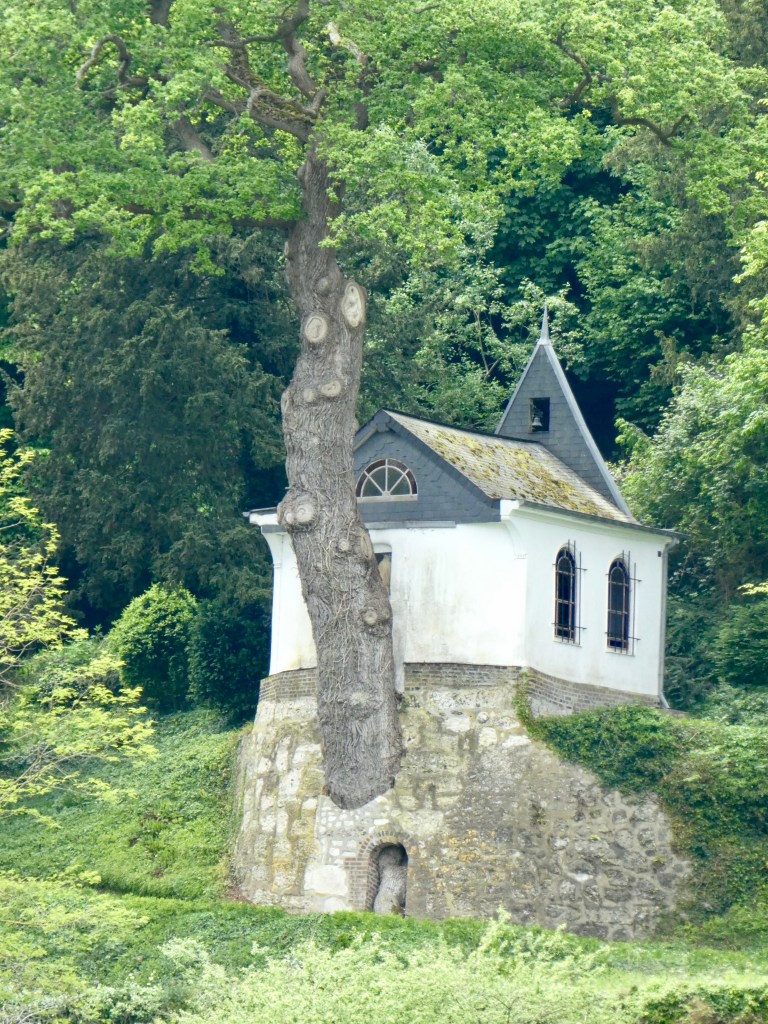
I cannot finish my impossible attempt to describe the many types of homes we have seen without including these last two. The first, home or church, because it is so fanciful with a tree growing out of its foundation.
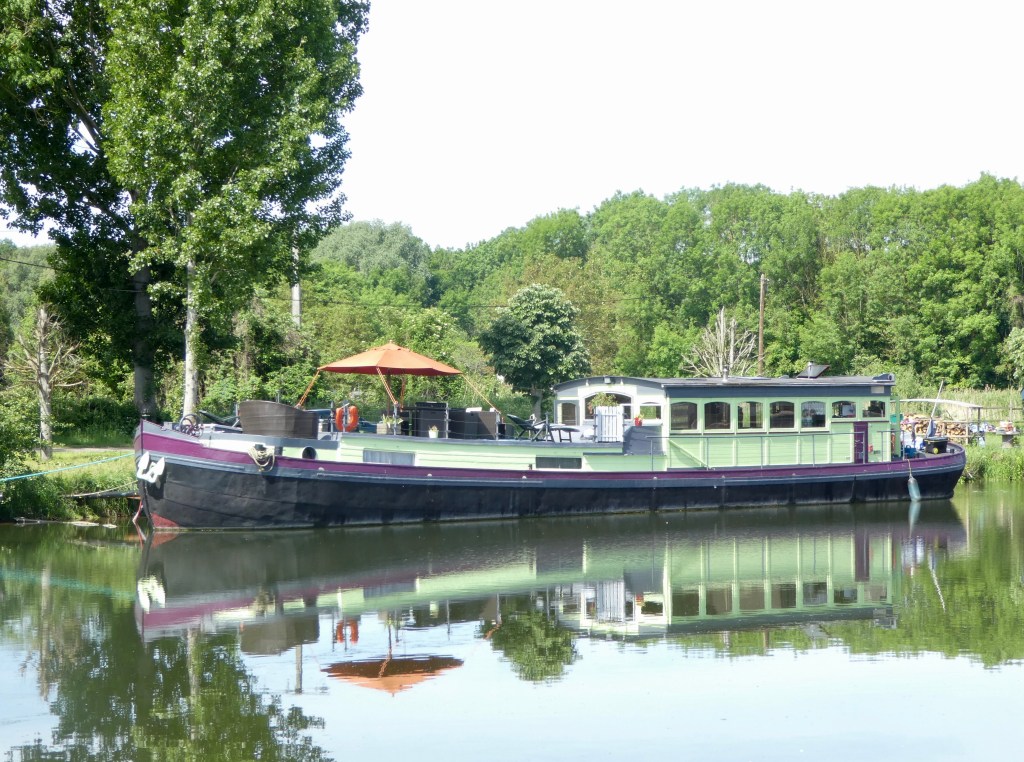
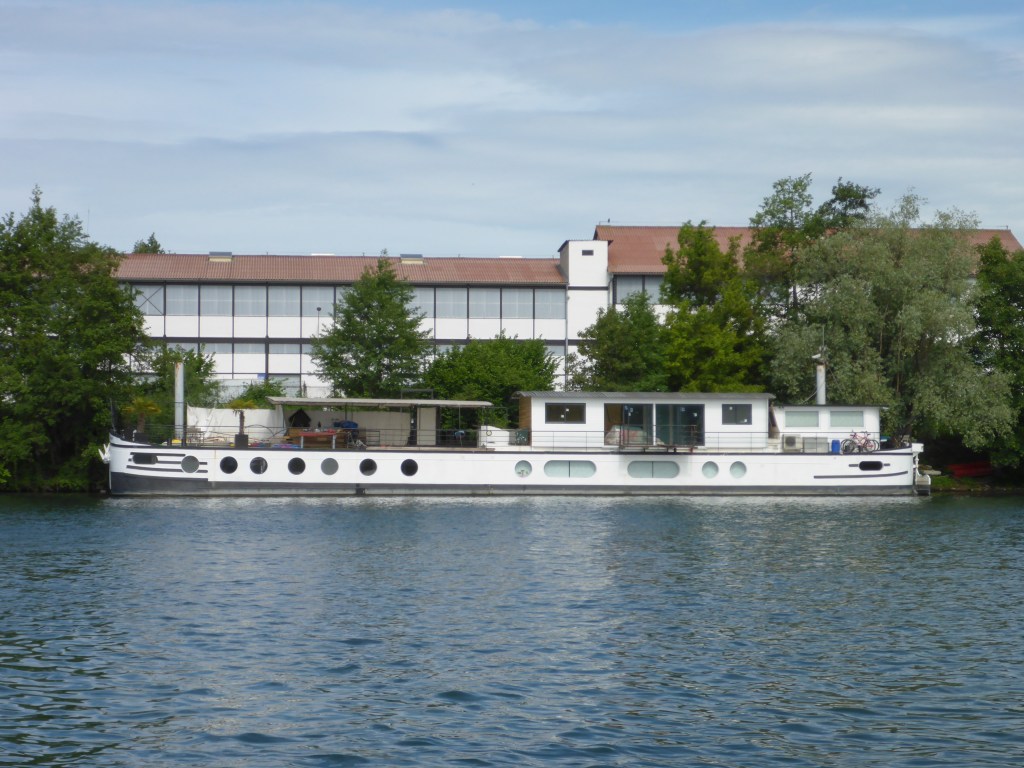
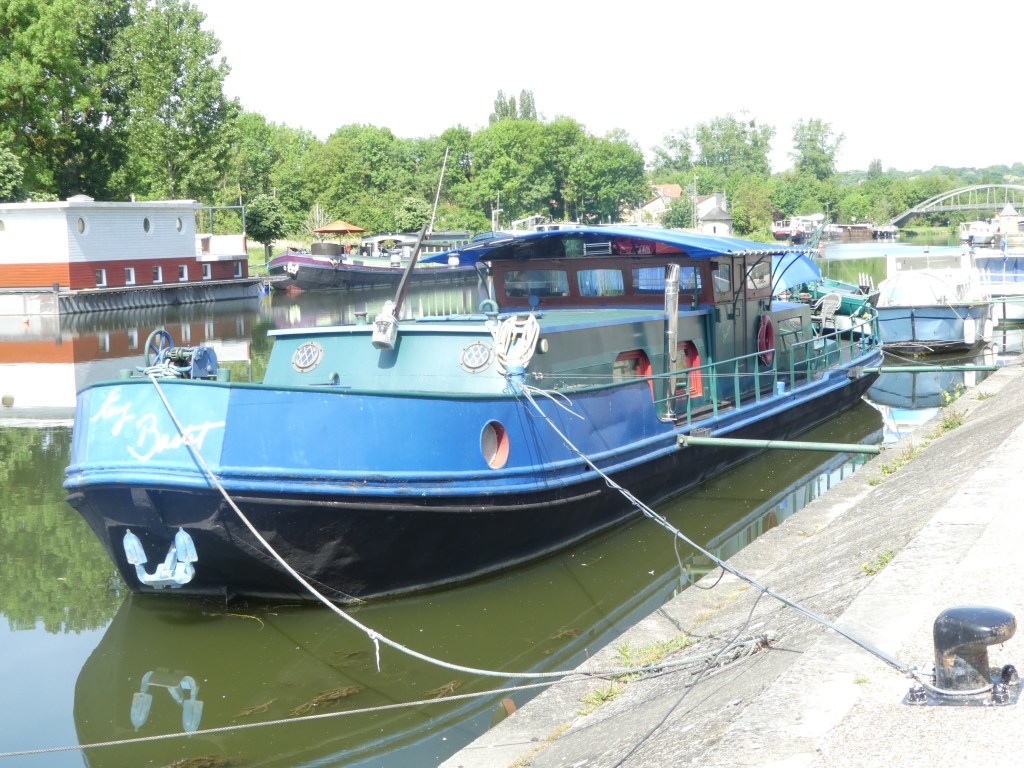
The second are representative canal and river barges that have been retired. When barges are operational, carrying loads through the intricate waterways within Europe, there is a fully equipped home built within. The boat captain and often spouse, et al. live in the boat – cars and other types a vehicles are carried on the barge which has a crane to lift them off. When these boats are retired, many continue to serve as peoples’ homes. Most are permanently moored along a canal or river bank (including up to and within Paris). They have sources of water and electricity. They range from old barges that have seen years of post-functional neglect to lavish, imaginative, beautiful homes, with lovely patios and container gardens. Some have also been converted to high end “waterfront” restaurants and some as fueling stations and stores. I only have room left to show you two – there are many hundreds.
Today is the 45th day of our visit to France and the Mediterranean. If you have been following us via https://share.garmin.com/georgelamb, you will have noted we have passed through the canal system, joined the Saône River and started down the Rhône River. We should reach the Mediterranean within the next several days.
We have climbed a total of 1000 ft and descended a little less than half the way back to sea level (527 ft). The transition between watersheds to the Atlantic Ocean and the Mediterranean Sea were identified on the lock signs for Canal de Centre as Océan before the peak and Mediterranean after. We have just 10 locks of the 179 to go – one notably 23 meters. Our record for number of locks in a day is 24 – it was a busy day.
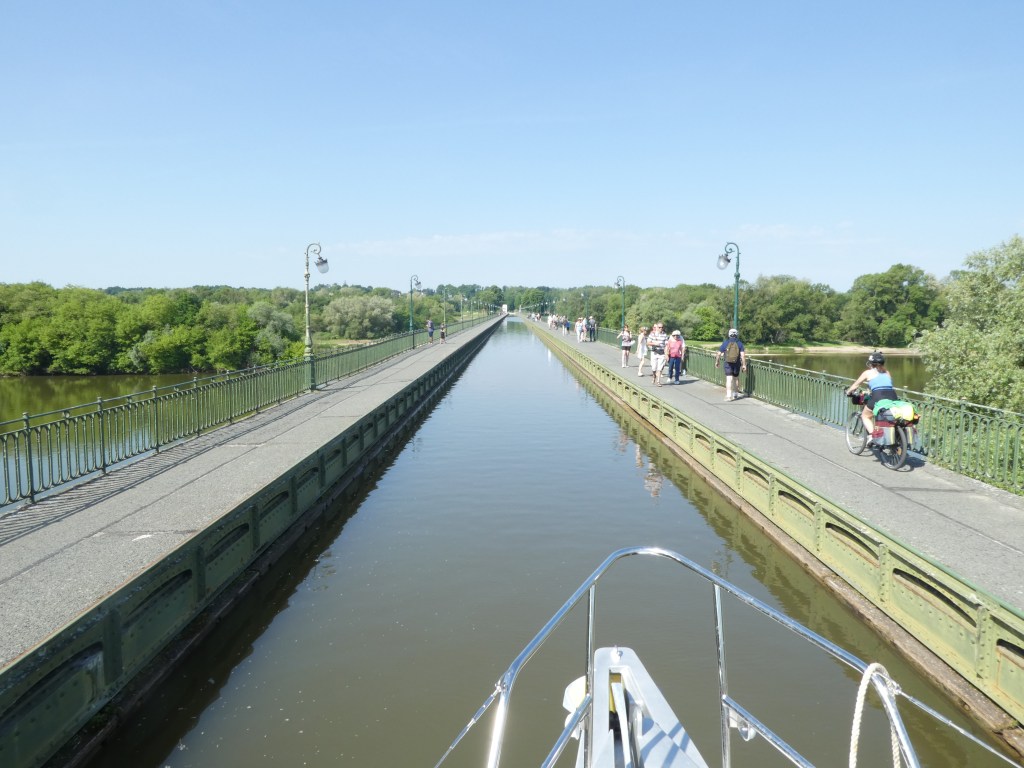
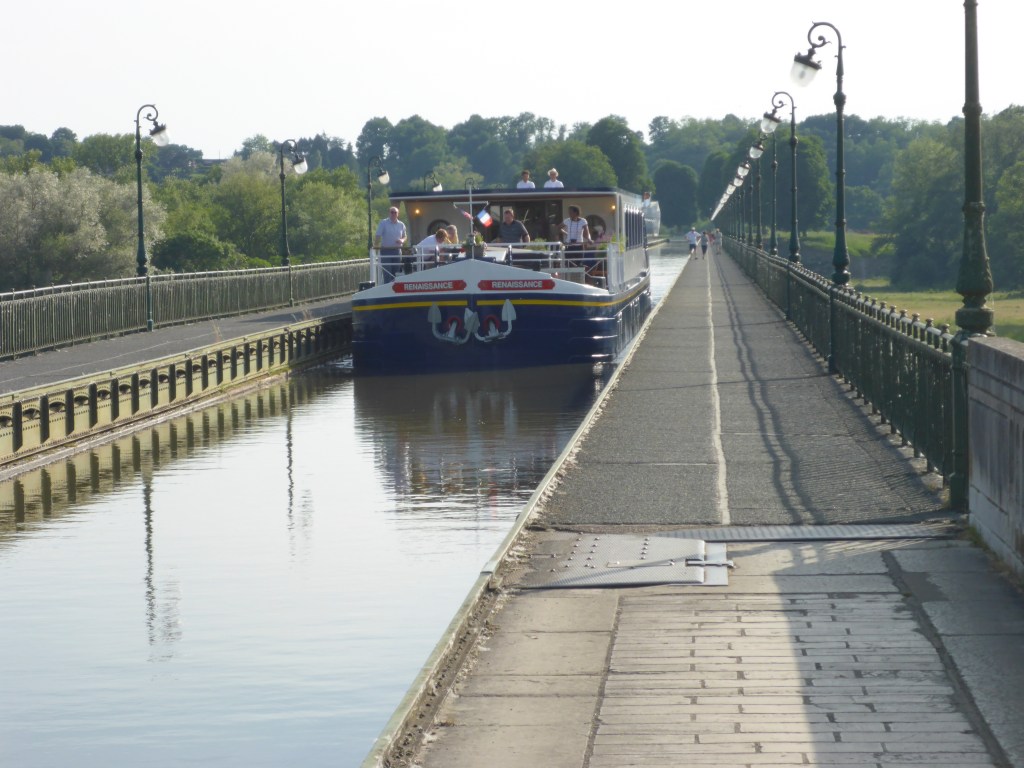
The canal system took us over rivers via canal bridges or aqueducts – 3 of which were particularly noteworthy in their expanse and height. The photo below is of the Pont Canal de Briare (Briare canal bridge) which is 662 meters long and crosses over the Loire River.
Ice Floe entering Pont-Canal de Briare (Briare Canal Bridge) crossing the river Loire.
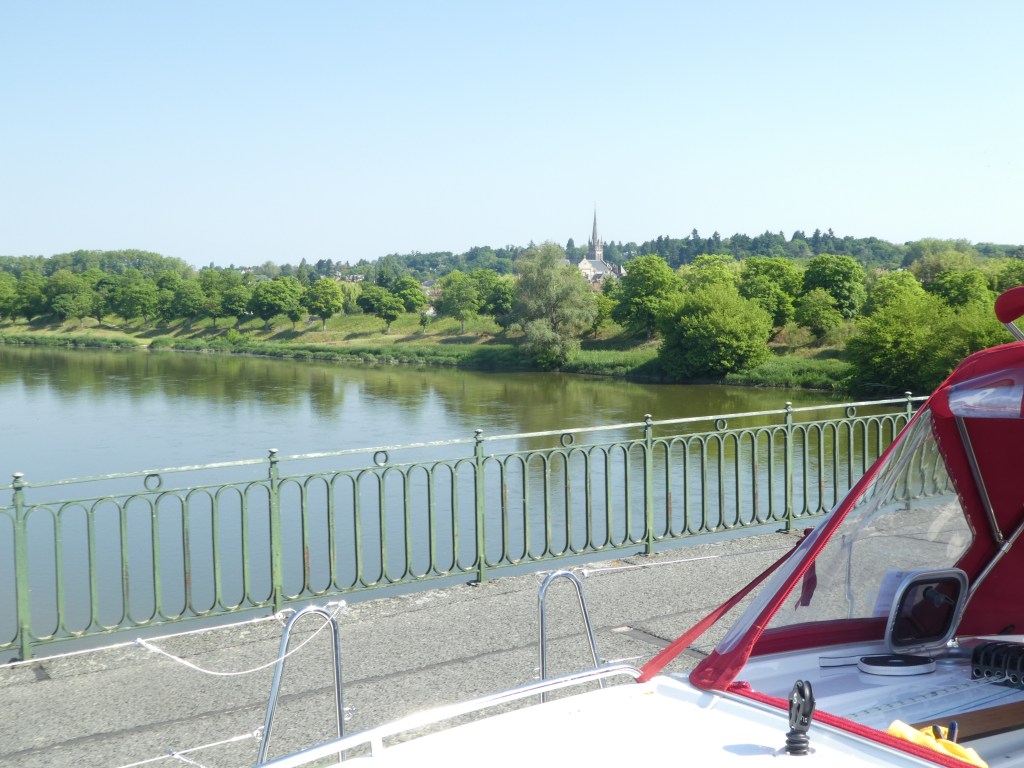
George commented, that Ice Floe barely fit within the aqueduct. He had to concentrate on steering to avoid scraping the sides and did not have an opportunity to see anything else. You can get a better sense of the tight fit in the next photo taken off the starboard side of Ice Floe.
Midway across Pont-Canal de Briare
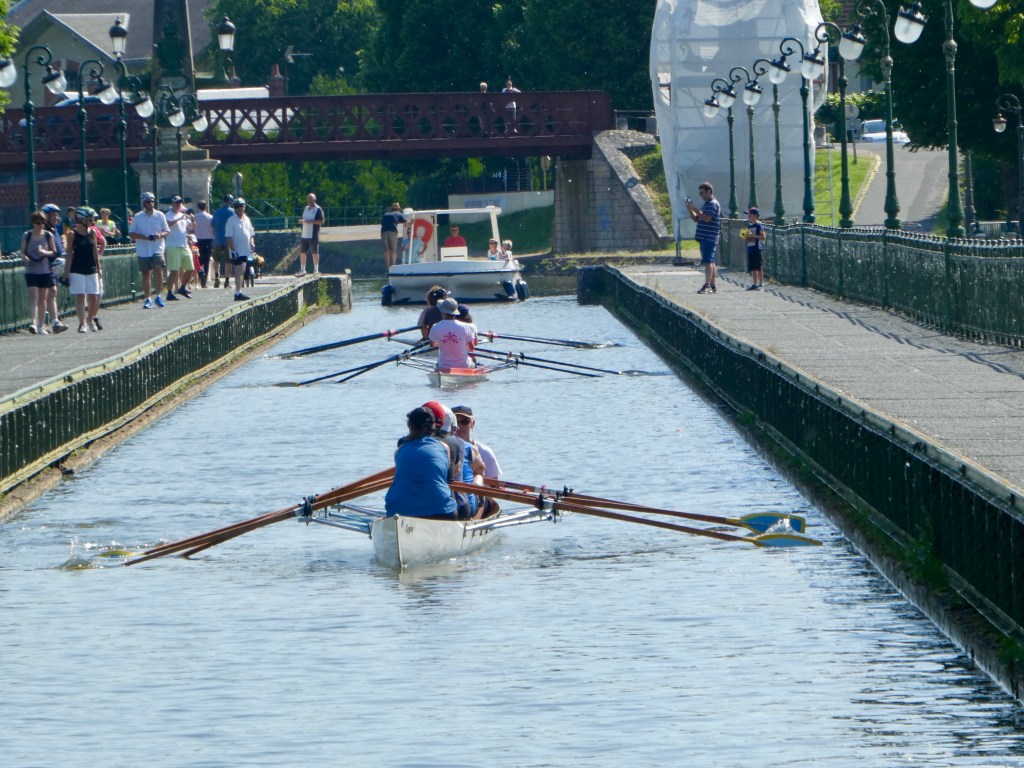
While waiting for an opening to cross the aqueduct, a group rowing shells asked us to allow them to slip in behind us as they were finding it difficult to get their turn.
They, too, had to be careful to not extend their oars too far.Boats traveling the canals and aqueducts are of uniform width and height to match those of the canals.
After we arrived on the other side, we moored Ice Floe in Châtillion-sur-Loire and crossed back in our dinghy to let George get a better look.
New found appreciation for wine
What better place than France for someone to disavow their belief that they did not like wine? George began to embrace white wine after tasting a particularly fruity Sancere and is even appreciative of a Beaujolais red, in small doses. Neither he nor I had previously had these types of wine. We also fell for a sparkling white wine (champagne-like, but you cannot call it champagne). We are fairly well stocked up with and we still have the Rhône valley.
Why are sparkling wines made by the “Champagne” method, not all called Champagne?
My limited understanding is that each specific type of wine (Chardonnay, Burgundy…) must adhere to the specifications of a unique appellation. The appellation specifies the geographic region in which the grapes must have been grown, which kind(s) of grapes can be used, the yield of grapes per hectare that can be harvested, the pruning method that must be used on the vines, the percent alcohol content, et al. A particular vineyard or estate that meets these specifications for a particular wine is said to be part of a “village” for that wine. Of course, there are specific estate “recipes”, good and bad years, the age of the vines, the type of soil, and many, many other details, that introduce endless variety, notoriety and cost. Luckily for us, French wine is quite inexpensive in France.
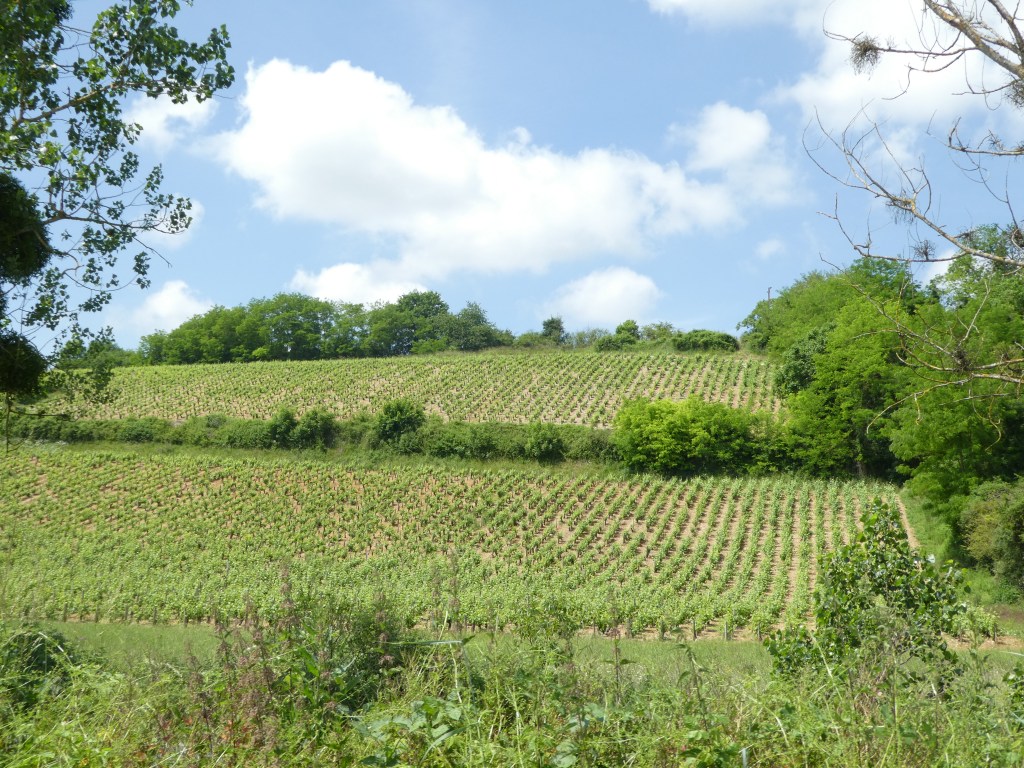
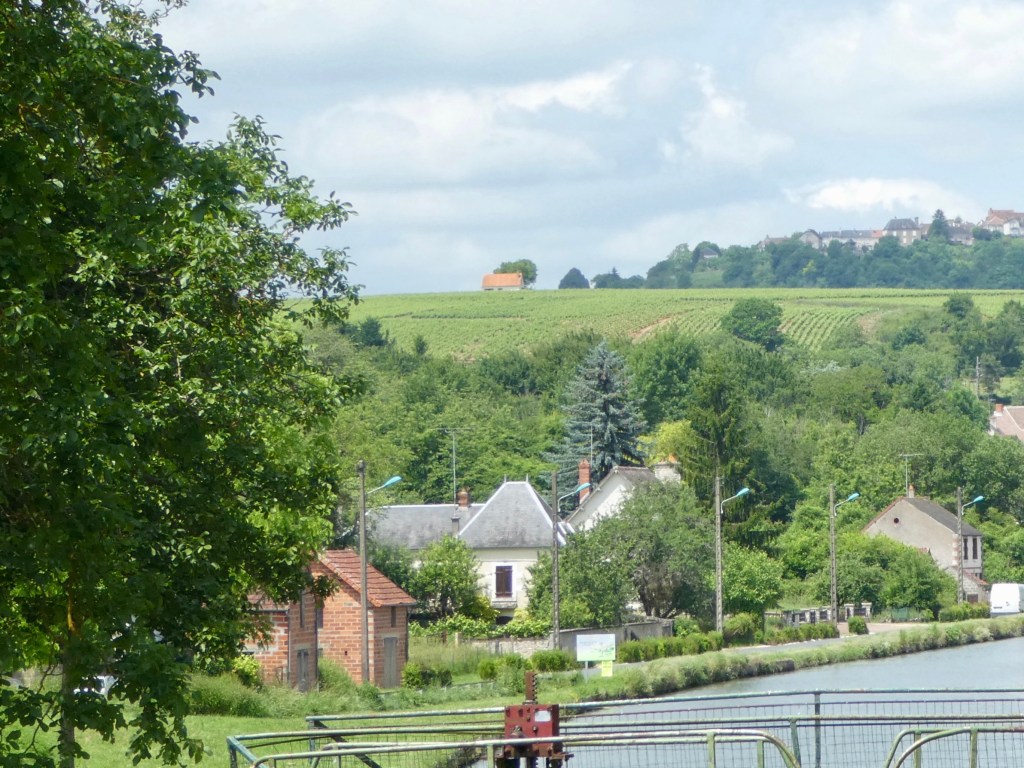
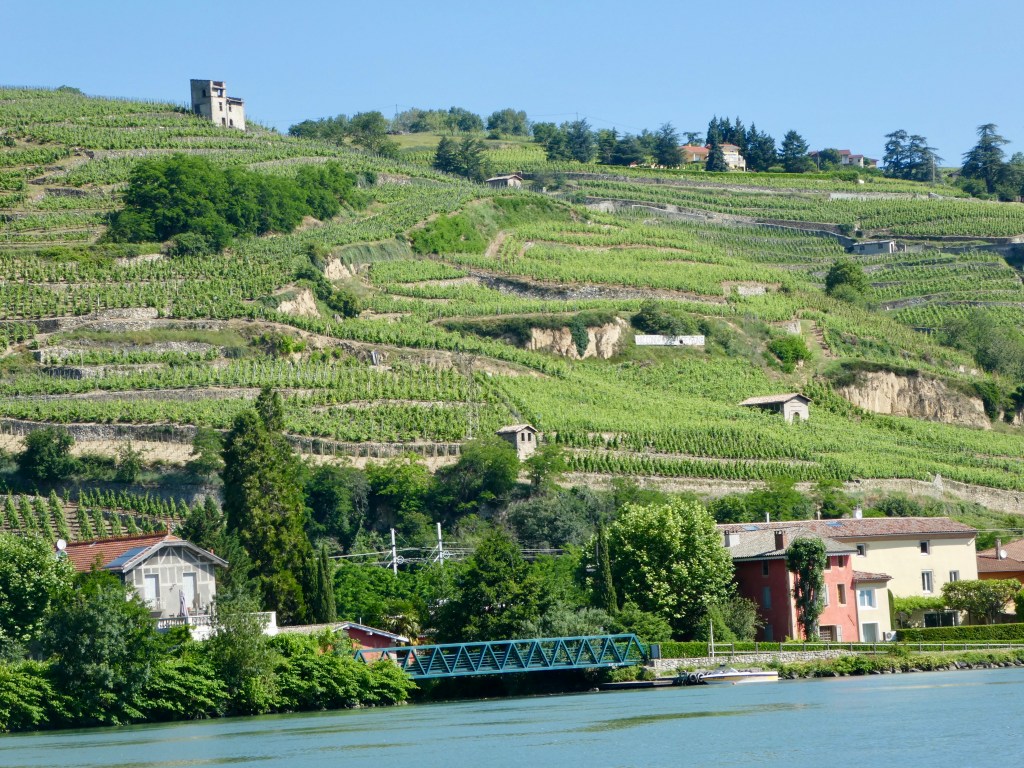
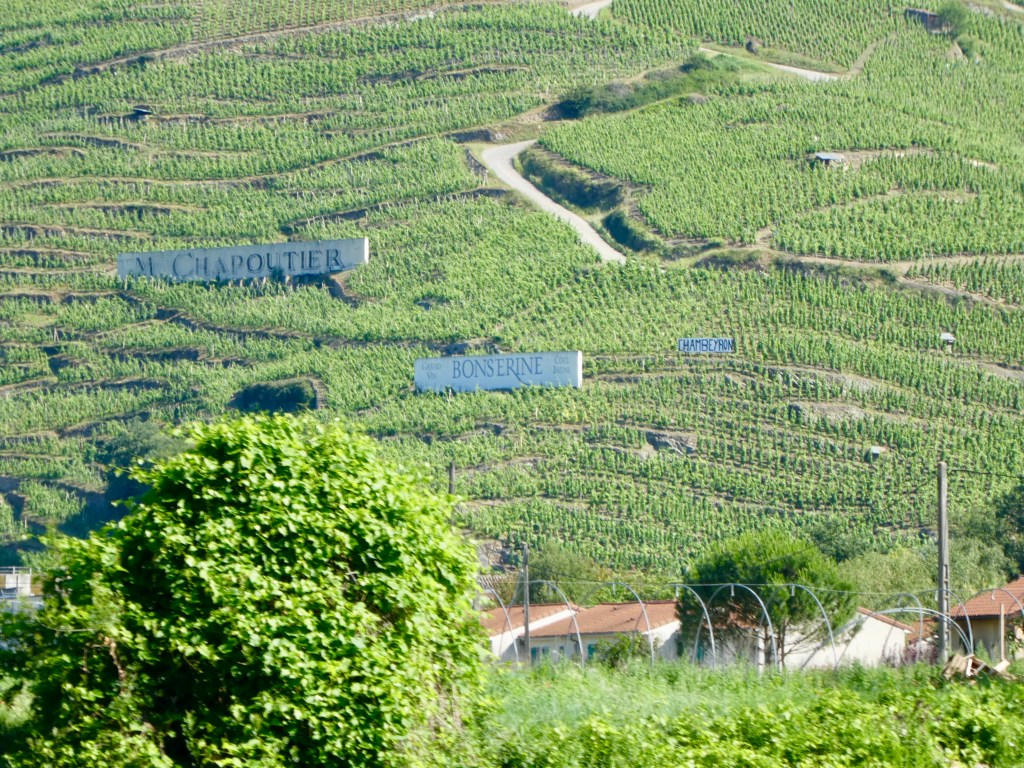
Vineyard in Loire ValleyLoire ValleyVineyard on the River RhôneVineyard on the River Rhône with particular wine estate identified
I feel it is necessary for you to understand locks if you are to understand this journey. Altogether there are 179 locks we will pass through. On the canals, the locks can be very frequent with less than half a km between them. Our record for a day was 19 locks (yesterday). The change in height has been as low as 2 ft and as high as 28.
The canal system, locks, and aqueducts are several hundred years old. We have passed through 65 locks, 56 of which collectively carried us up 541 feet in elevation, and the last 9 of which dropped us back down to 446 feet elevation in the Loire Valley. Many locks have been modernized to be automatic, some still have a lock tender to assist you. How the lock will operate is often a mystery – the availability of places to tie on, whether you will need a lock tender, whether you will need to call the lock tender. In principal, all the locks accomplish the same thing.
Our current location
We are currently at Châtillon-Sur-Loire, about a third of the way through France’s Inland Waterway. Châtillon is term used for a facility run by the most proximal municipality. Châtillon-Sur-Loire means a facility to “park” your boat on the River Loire. Technically, we are on the Loire Canal, but the river is close by. The cost per night is 9 euros, but many are completely free. Some have water and power, bathrooms and showers, and one had WIFI. Sometimes there are restrictions for length of stay or prohibitions against using potable water to wash your boat. The individual rules are not always apparent. Sometimes there is a sign, sometimes a policeman comes by your boat to collect a fee and check your papers. Often, especially when there is just a tie up, no information is available.
At a Châtillon with facilities there are often other boaters from all over the World. People often stop by to ask where you are from and where you are going and frequently invites are extended to “take a drink” on their or our boat. George once invited 3 couples to join us and with luck I had humus, cheese, strawberries and olives to share. We were rewarded with wonderful stories and practical advice on what to do and where to stay on the canals.
Lots about Locks
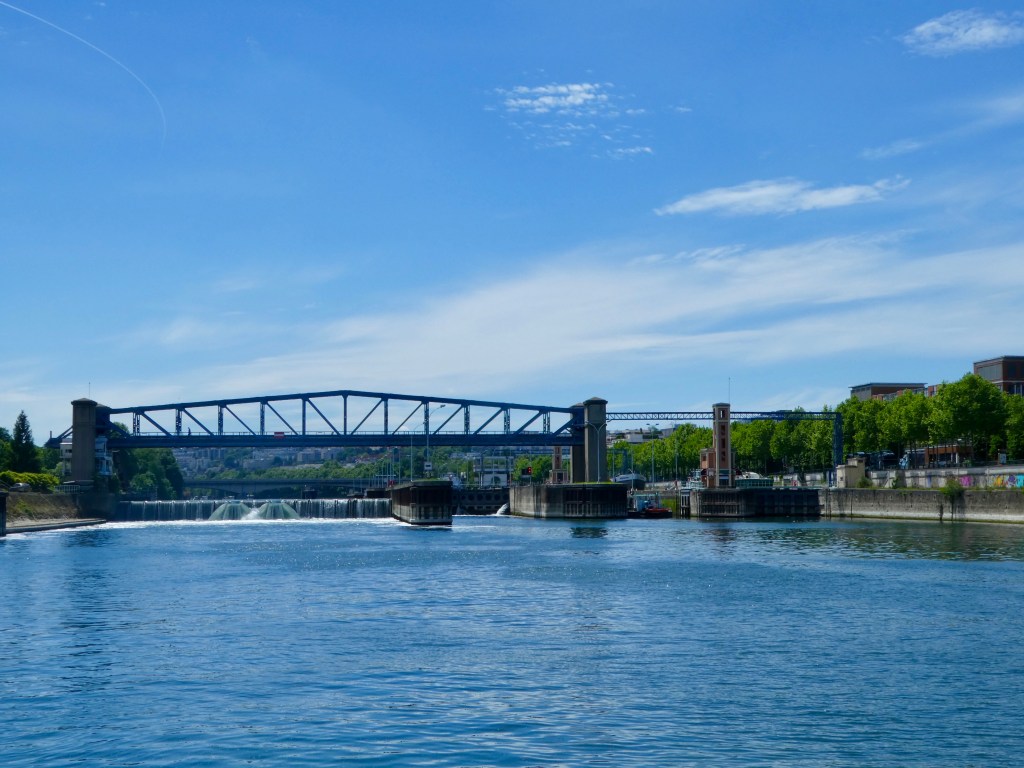
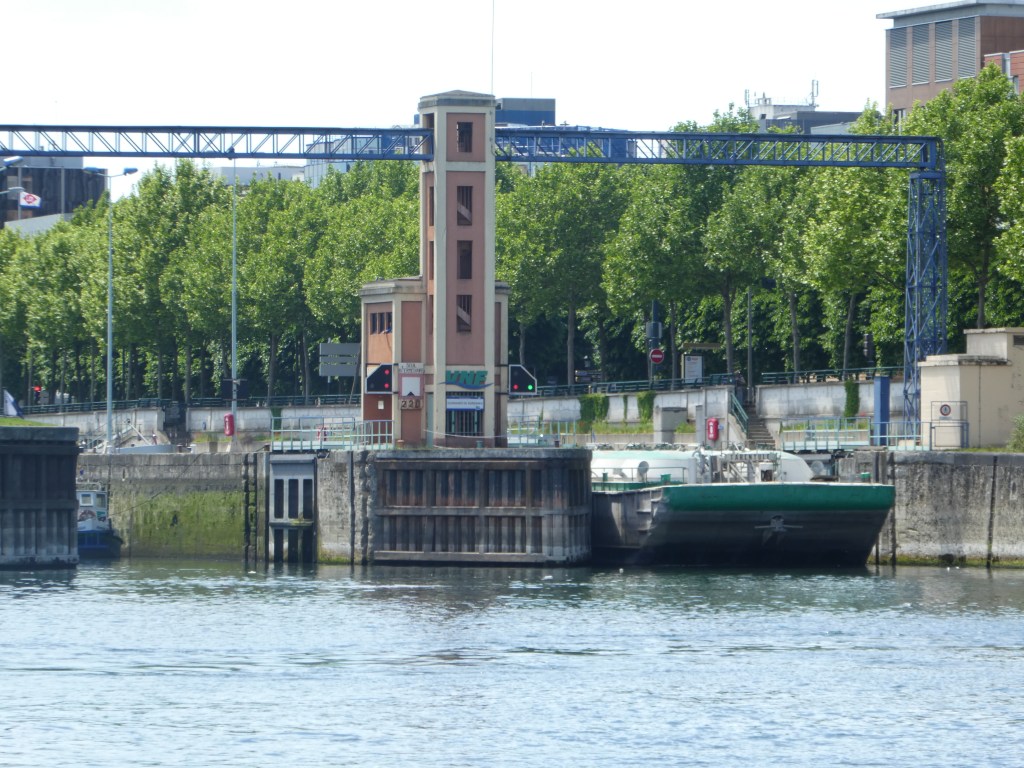
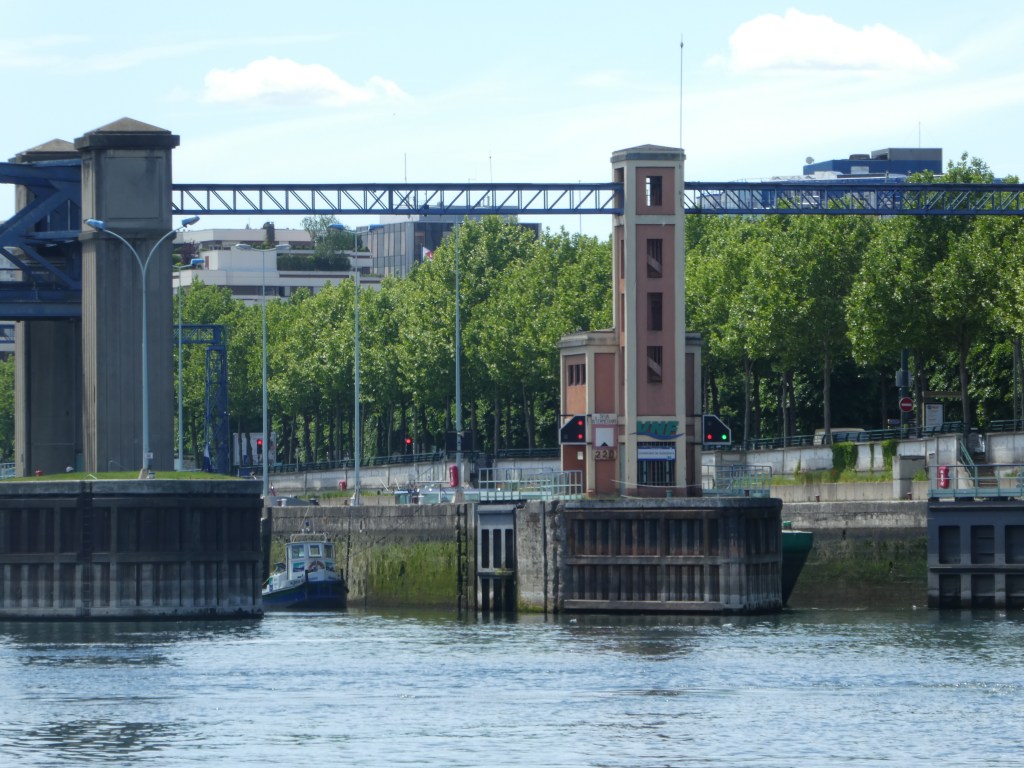
The locks on the Seine all had a lock tender who you called on a specified VHF frequency (different for each lock). The following photos and their captions provide a description of how locks work and enabled us to sail up and down the foothills of the Alps en route to the Mediterranean. The first photo is of a large lock system on the Seine with three separate locks.
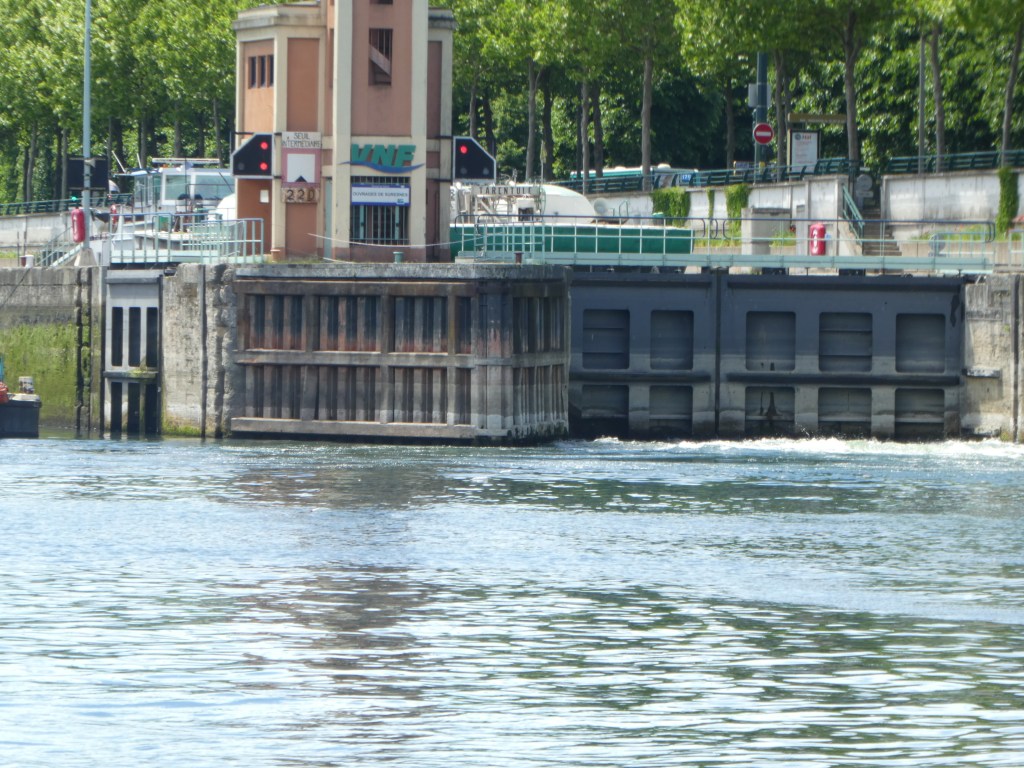
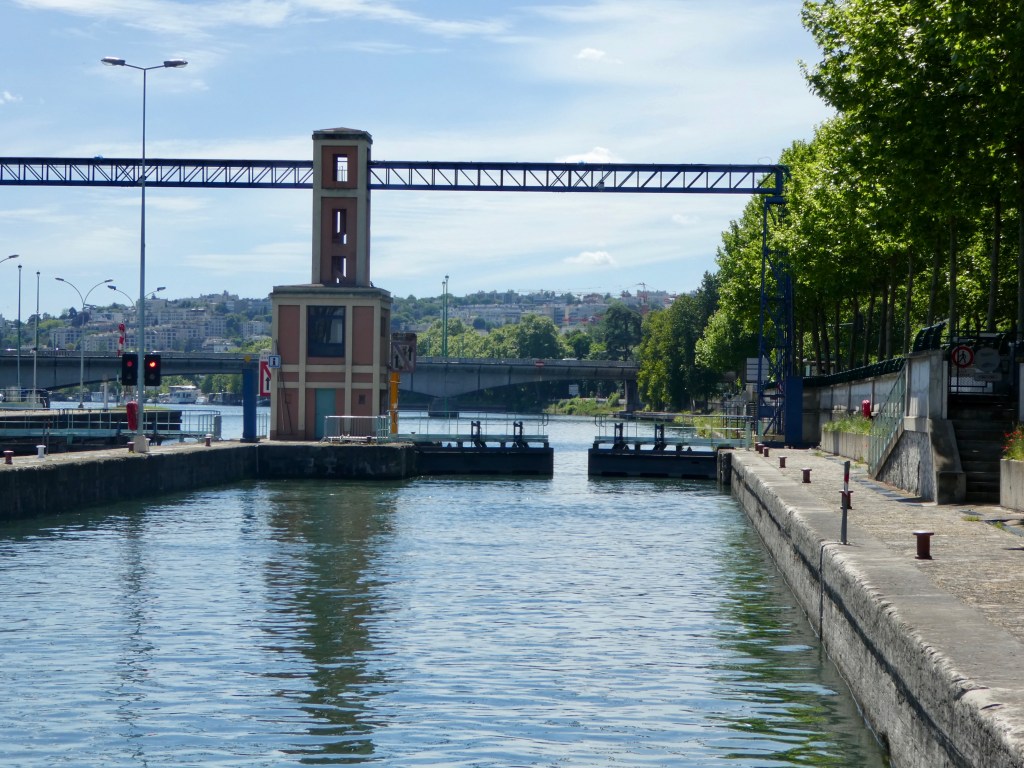
On the left is the spillway for the river. There are three separate locks to the right of the spillway, The first 2 locks were undergoing repairs so we will use the third lock (all the way to the right).The lock on the right is closed as it is occupied by a boat that is headed downstream so we will have to wait. There is a red signal light indicating we should not approach the lock.The water level has been adjusted and the doors opened so the boat is exiting the lock.We get the green signal light that the lock is ready for us to enter.We are entering the lock
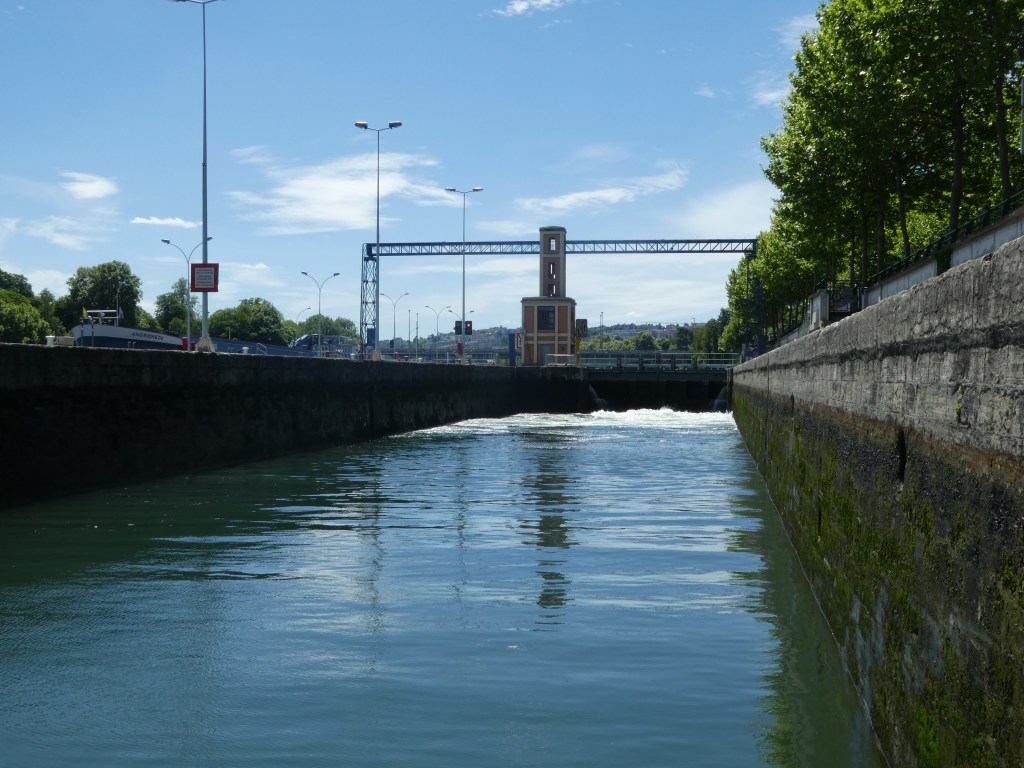
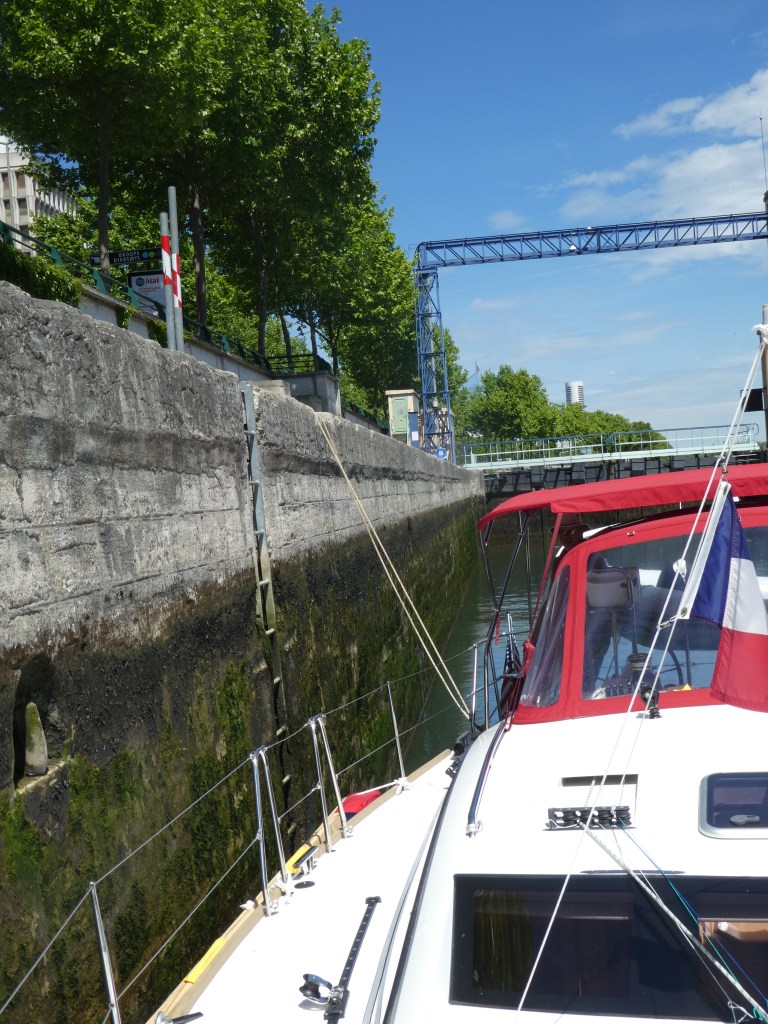
The next two photos are taken from the bow looking back towards the stern.
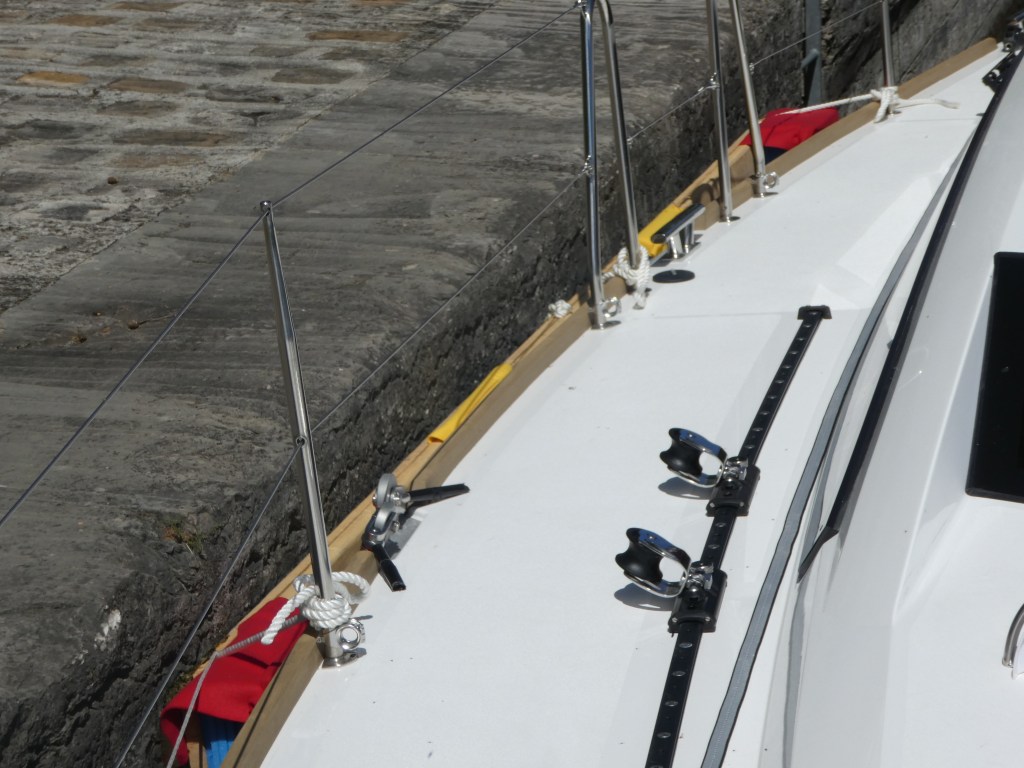
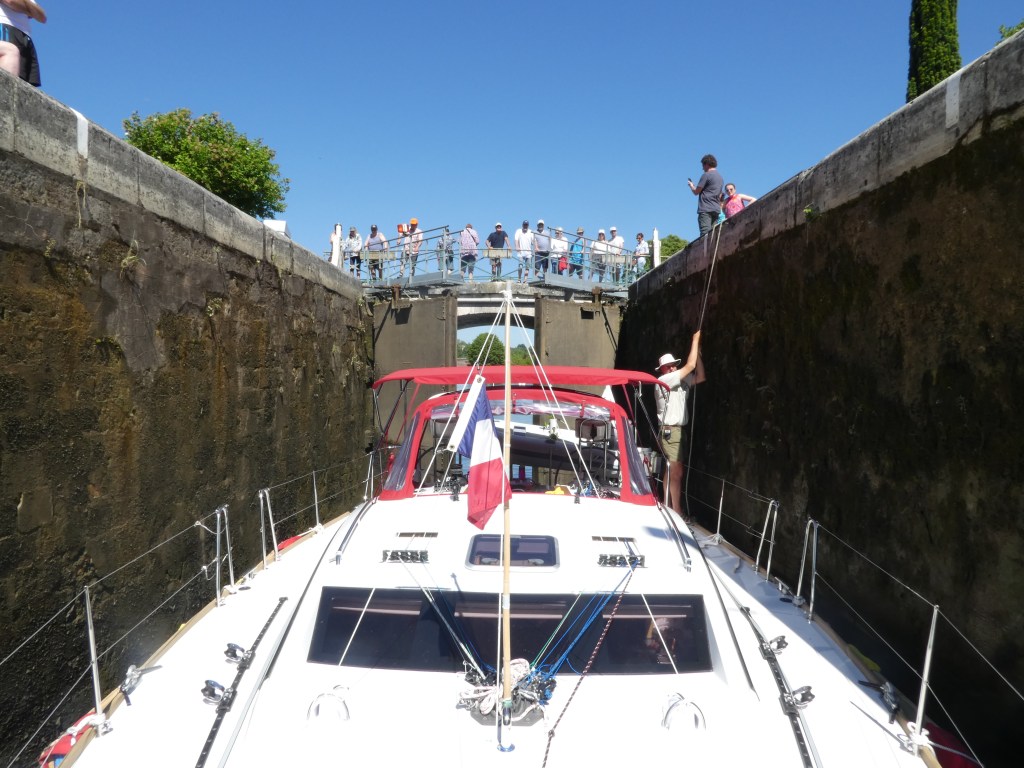
Once inside the lock, we secure lines from the bow and the stern to one side of the lock. These lines will be adjusted to keep Ice Floe in place as the water level is adjusted. The doors at our stern are closed and water begins to enter the lock. Note the position of Ice Floe on the concrete wall.The water level has been raised so that it is the same as the water where we will exit the lock.
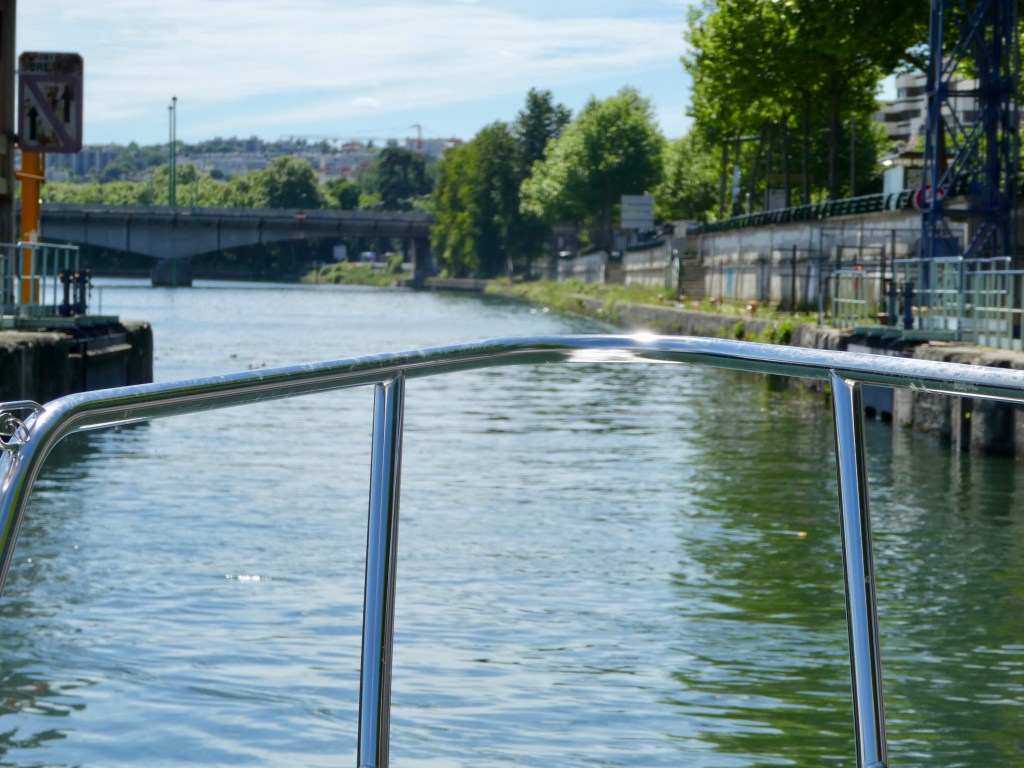
The next two photos are taken from the bow looking forward.
The lock doors begin to open.Ice Floe heads out of the lock.
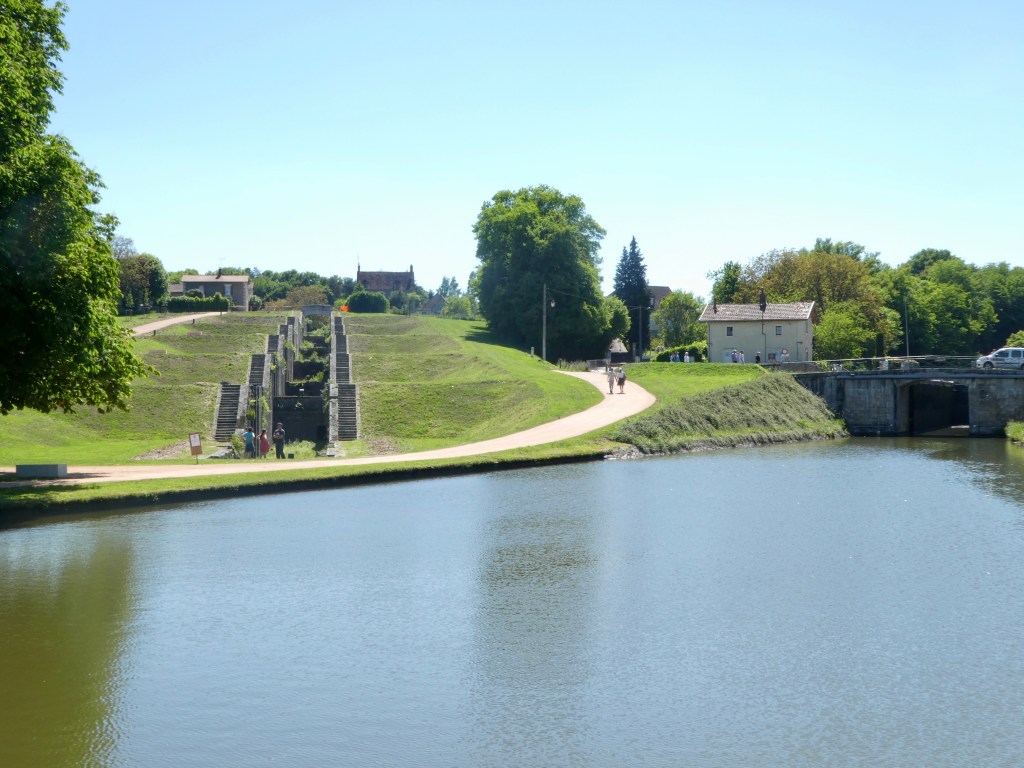
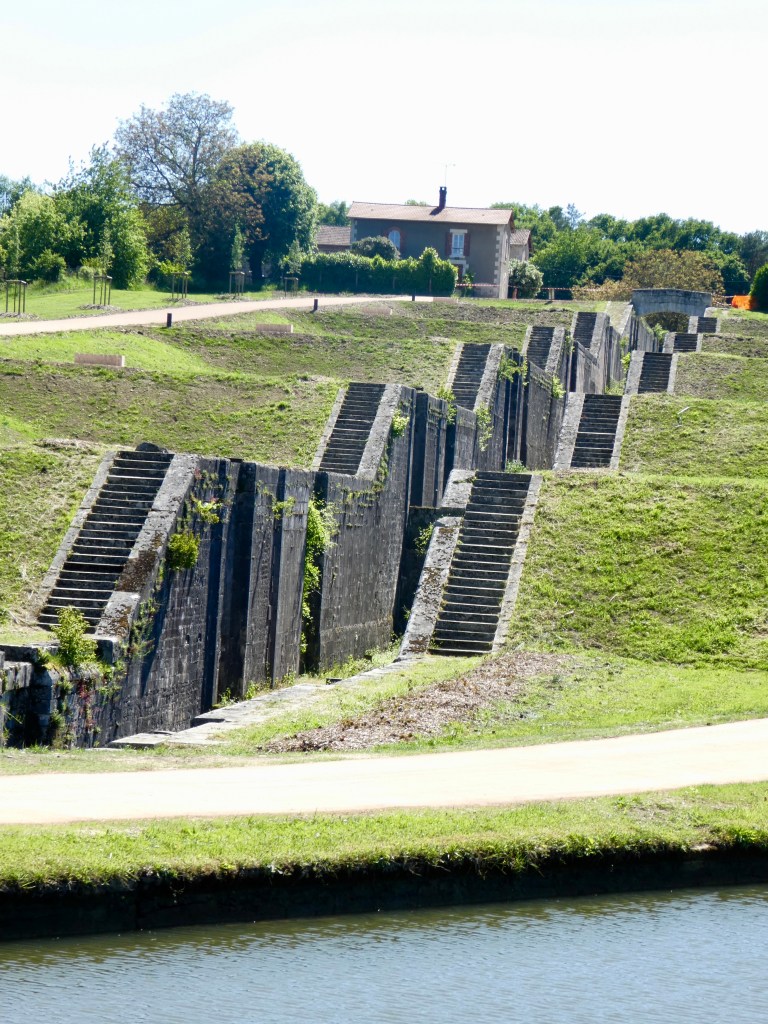
This next photos is of an ancient flight of locks (left in photo) that was replaced centuries later with 6 separate locks, each only 0.4 km apart.
On the left, you are looking at an ancient “flight of locks. It could only accommodate a single boat. If a boat was moving up this flight of locks, a boat needing to move down the locks would need to wait until the other boat had completed all 6 locks in the continuous series. On the right you see the doors to the first of 6 separate locks that replaced the original lock. Each can accommodate boats heading either up or down.Closer view of ancient lock system
As the tourist season warms up we have more and more people watching as we move through locks. Even for many people for whom the locks are an integral part of their lives, many stop to watch, particularly those with small children who are often bicycling along the path beside the locks with their parents.
I am certain you now know more than you ever thought you needed to know about locks and are wondering what else we have been up to these past several weeks.
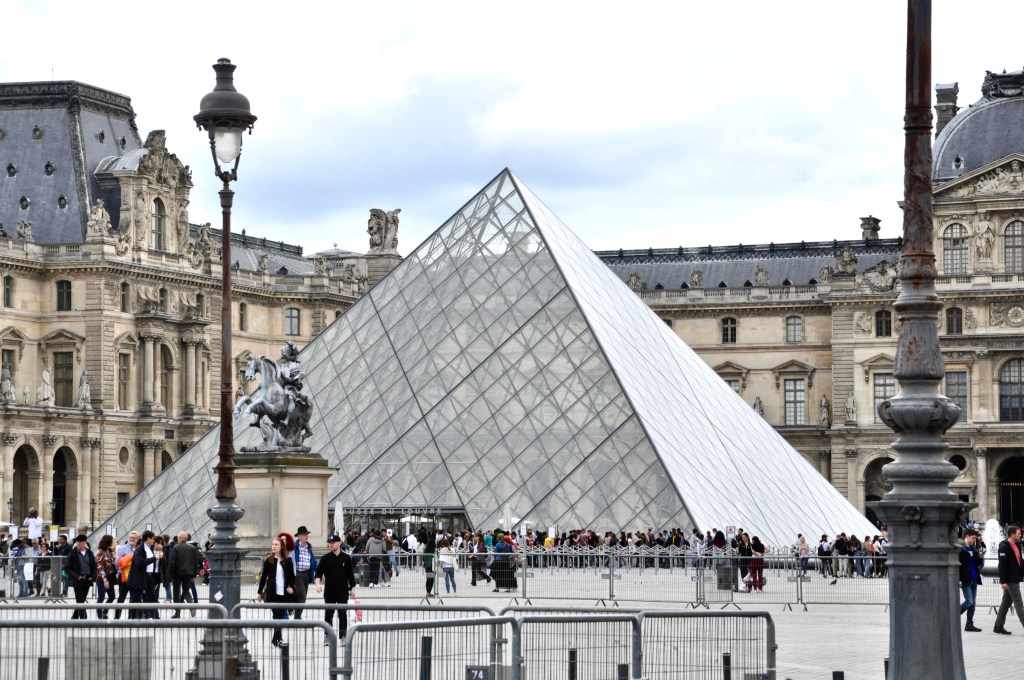
After meeting up with Nancy and Bruce we spent a couple of days in Paris. They visited the Louvre Museum and had the forethought to purchase tickets in advance that permitted them to slip right by the very long line of people seeking entrance. With a reported 38,000 objects of art, it would be disappointing to spend half of your day in line.
Le Louvre, with its prominent entrance through the glass pyramid building, is the world’s largest art museum. The artwork is housed in the massive Louvre Palace, originally a castle built in the late 12th to 13th centuries.
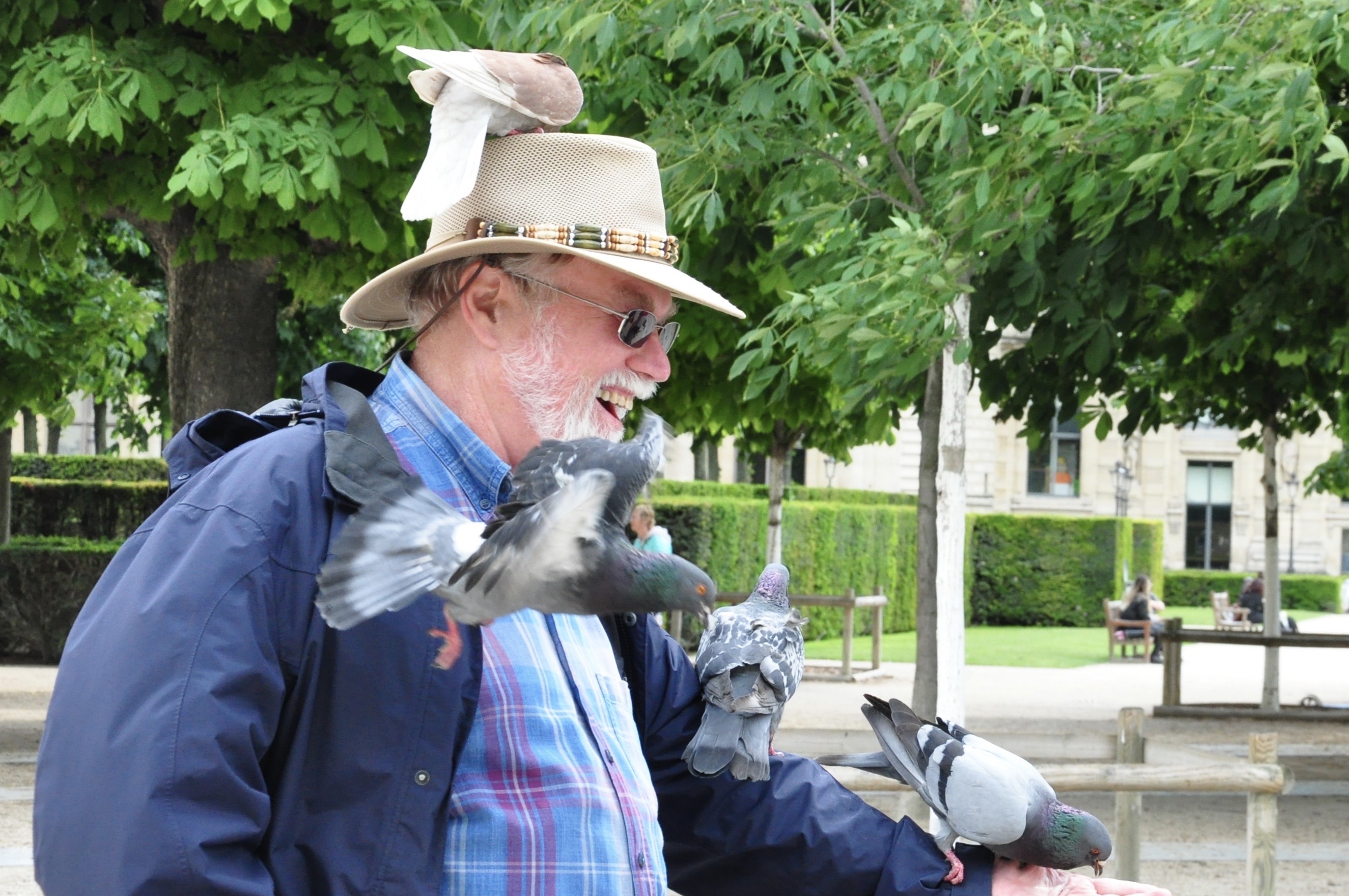
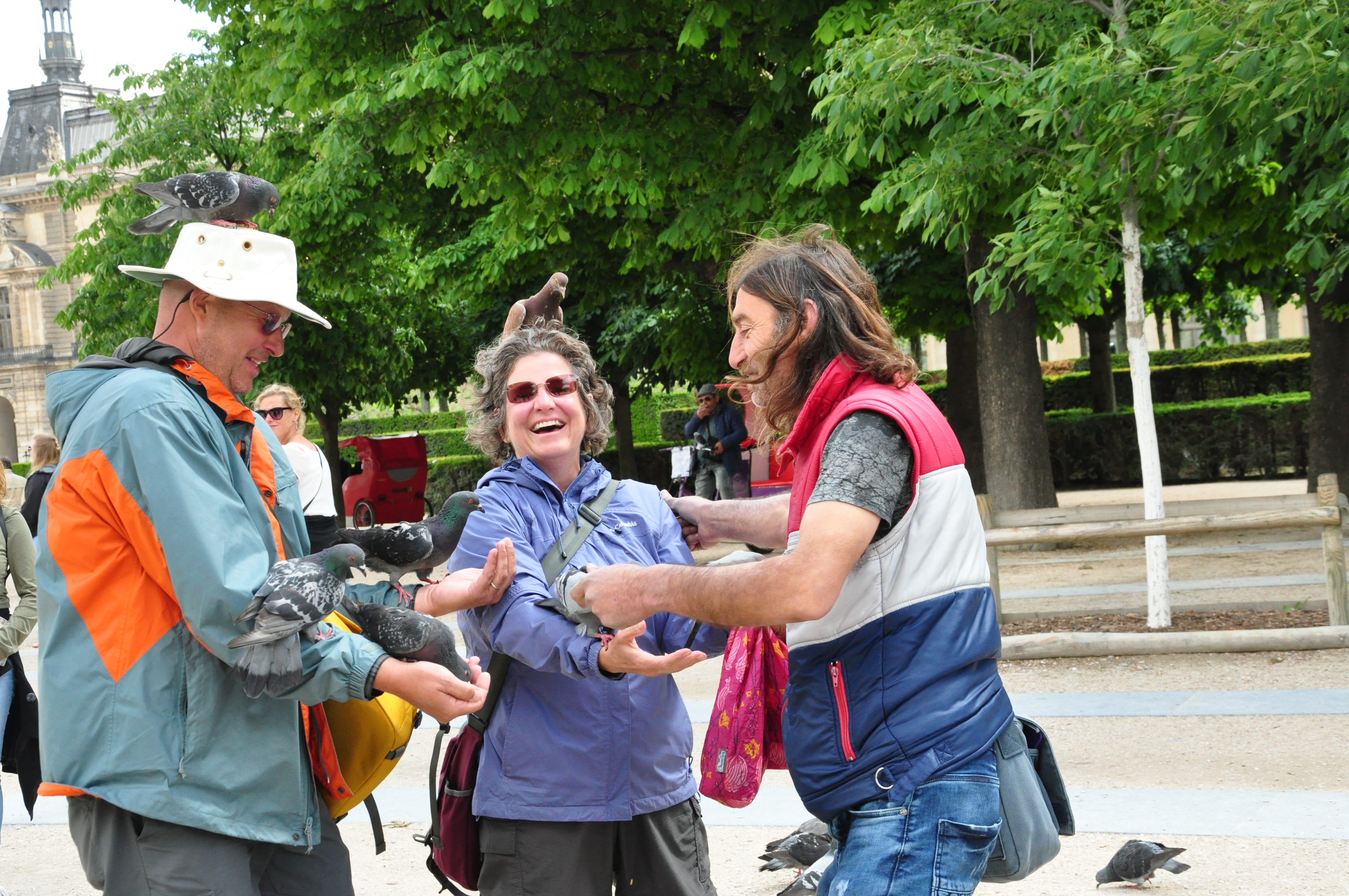
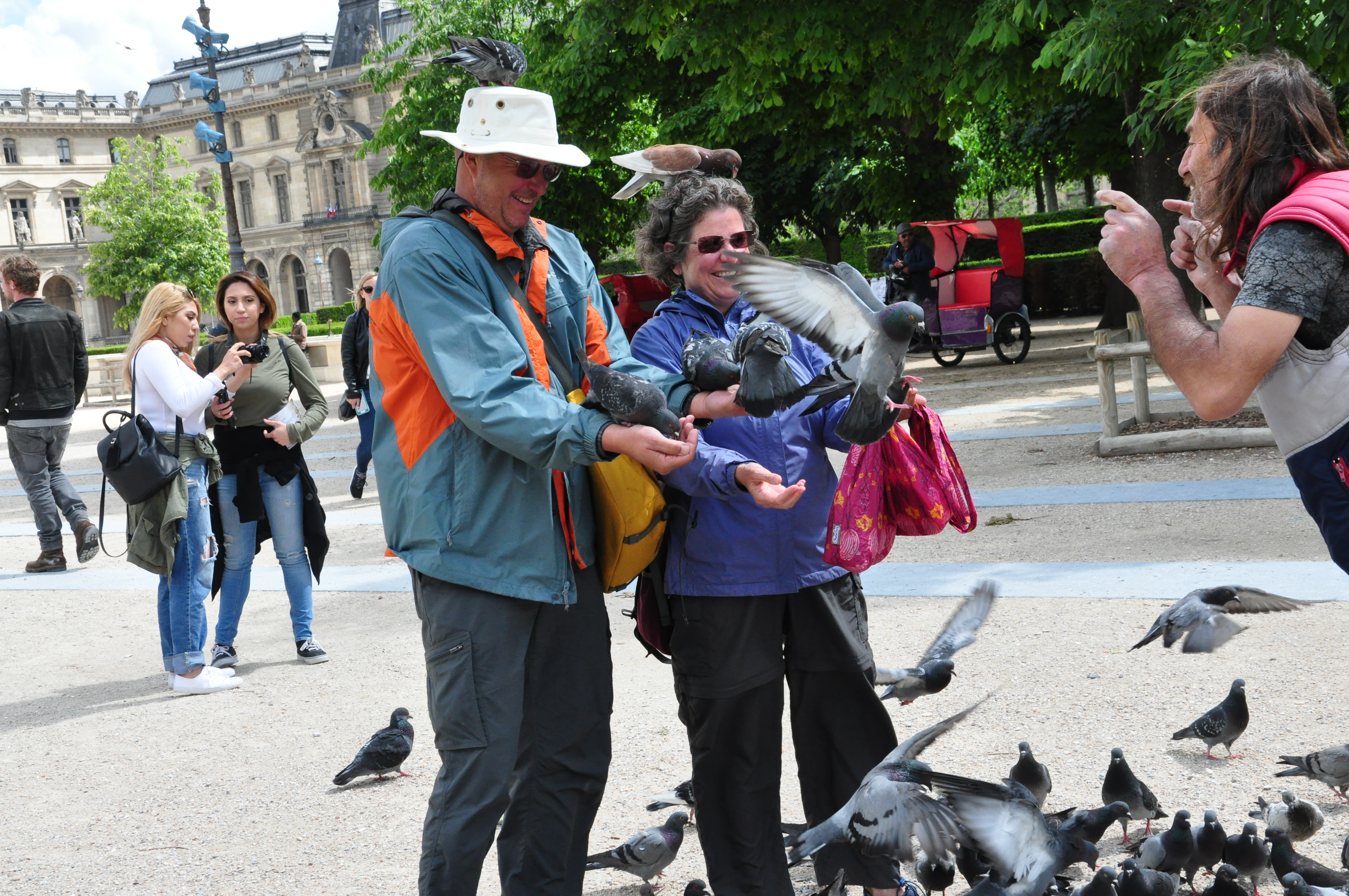
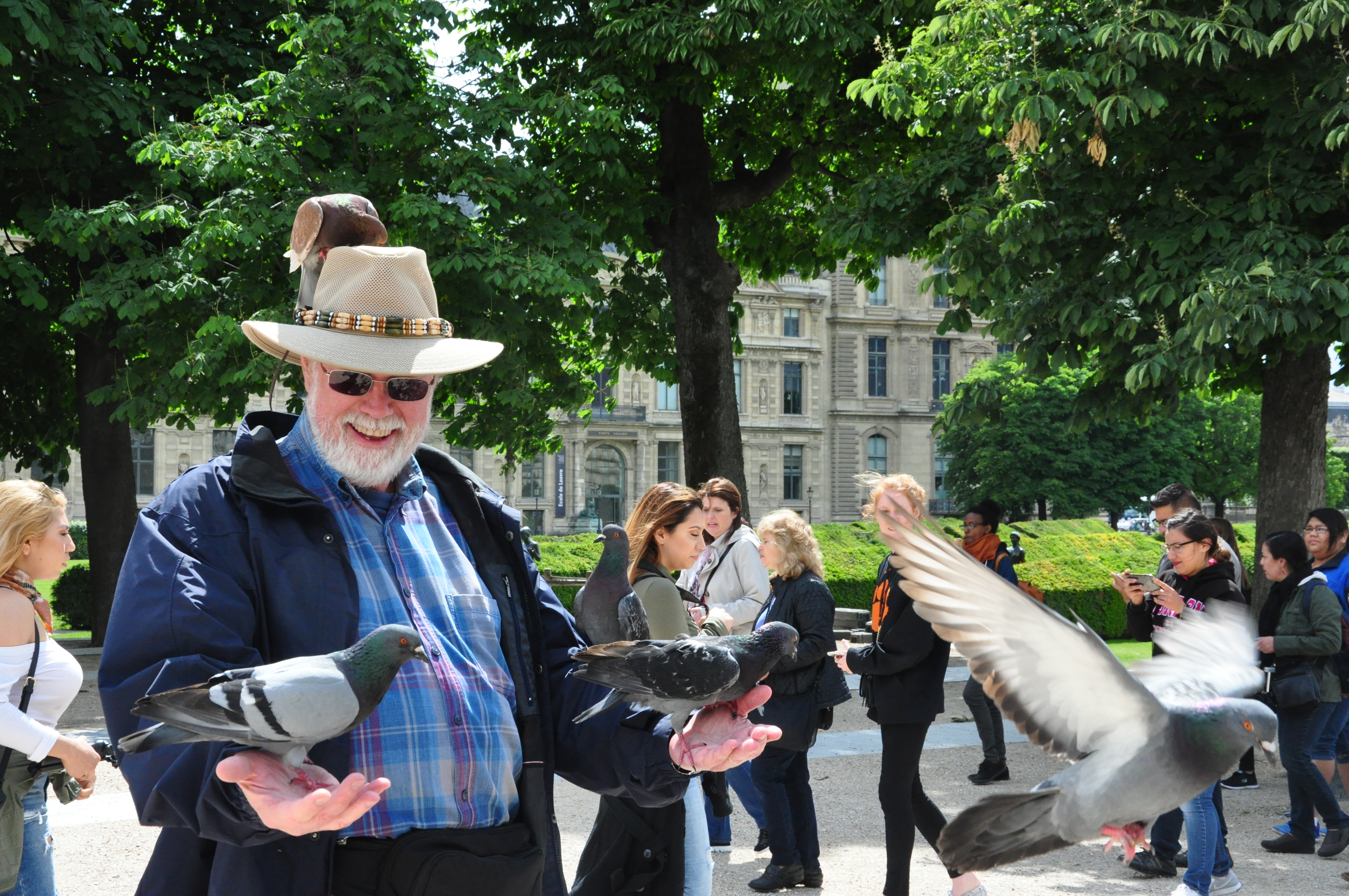
Later in the day, Nancy and Bruce joined us for some entertainment by nearby street performers. One memorable street performance was “Pigeon Man” (our name for him). He delighted us with his ability to get the pigeons to perform as he directed them with bits of bird seed. Nancy took photos as we enjoyed having the birds perch on and around us.
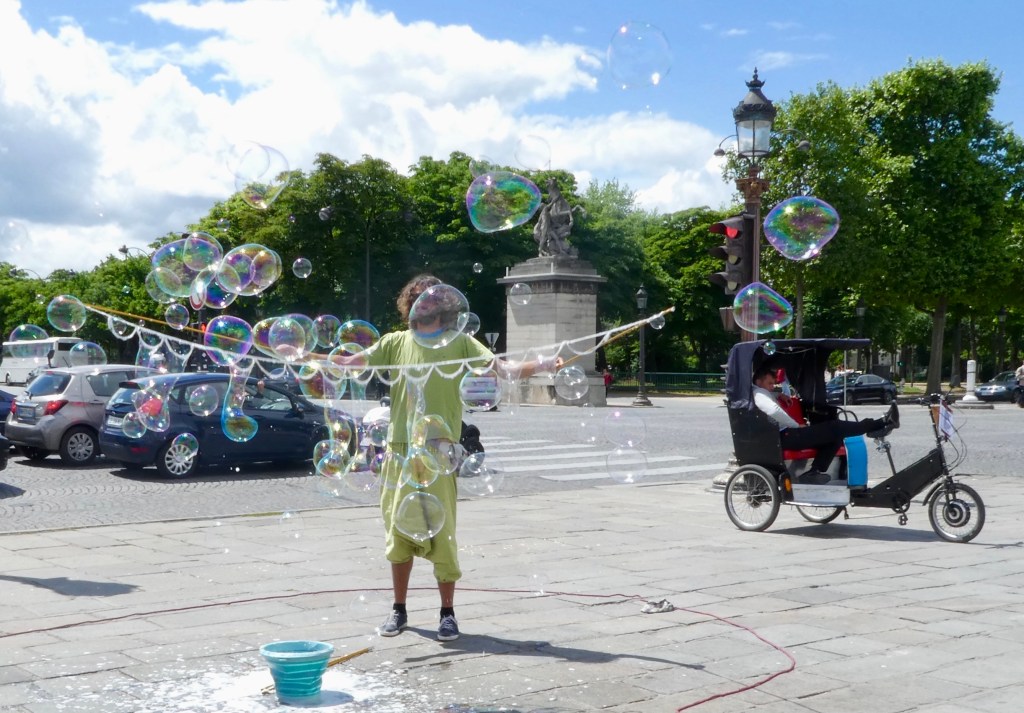
“Bubble Man” (also our clever name) had perfected a unique way of creating many large bubbles at once. The children delighted in chasing, catching, and popping the bubbles. George stood carefully studying the man’s wand as he anticipated making one for himself.
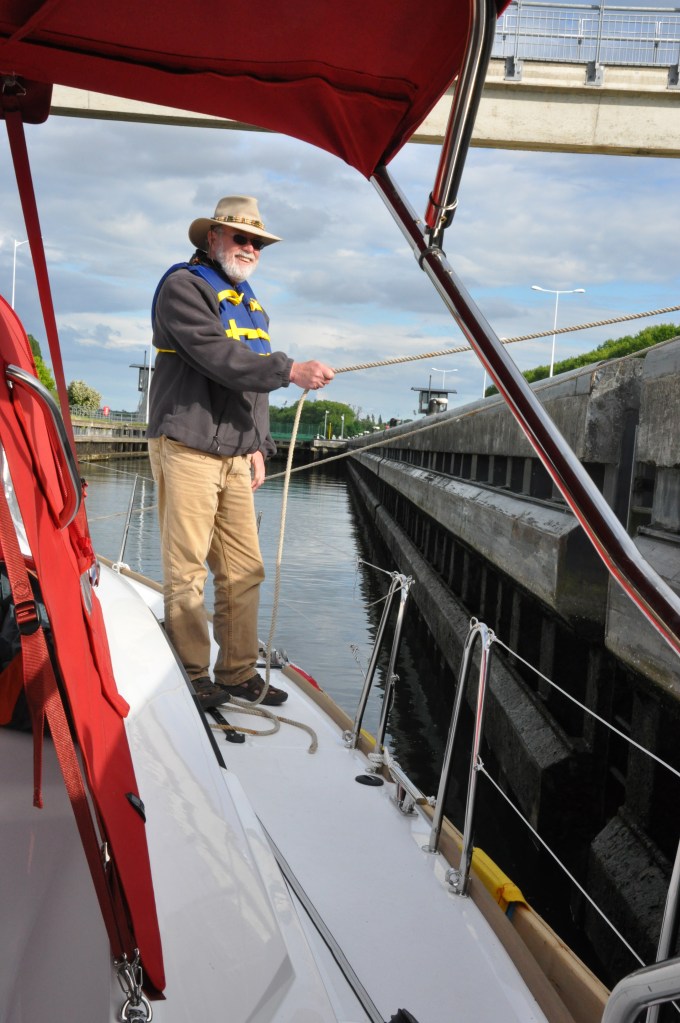
It was now time to leave Paris and continue on towards the Mediterranean. The entrance to and from Port de l’Arsenal includes a lock to transition between the difference in water levels. Bruce manned a line as the water rose to the the level of the Seine.
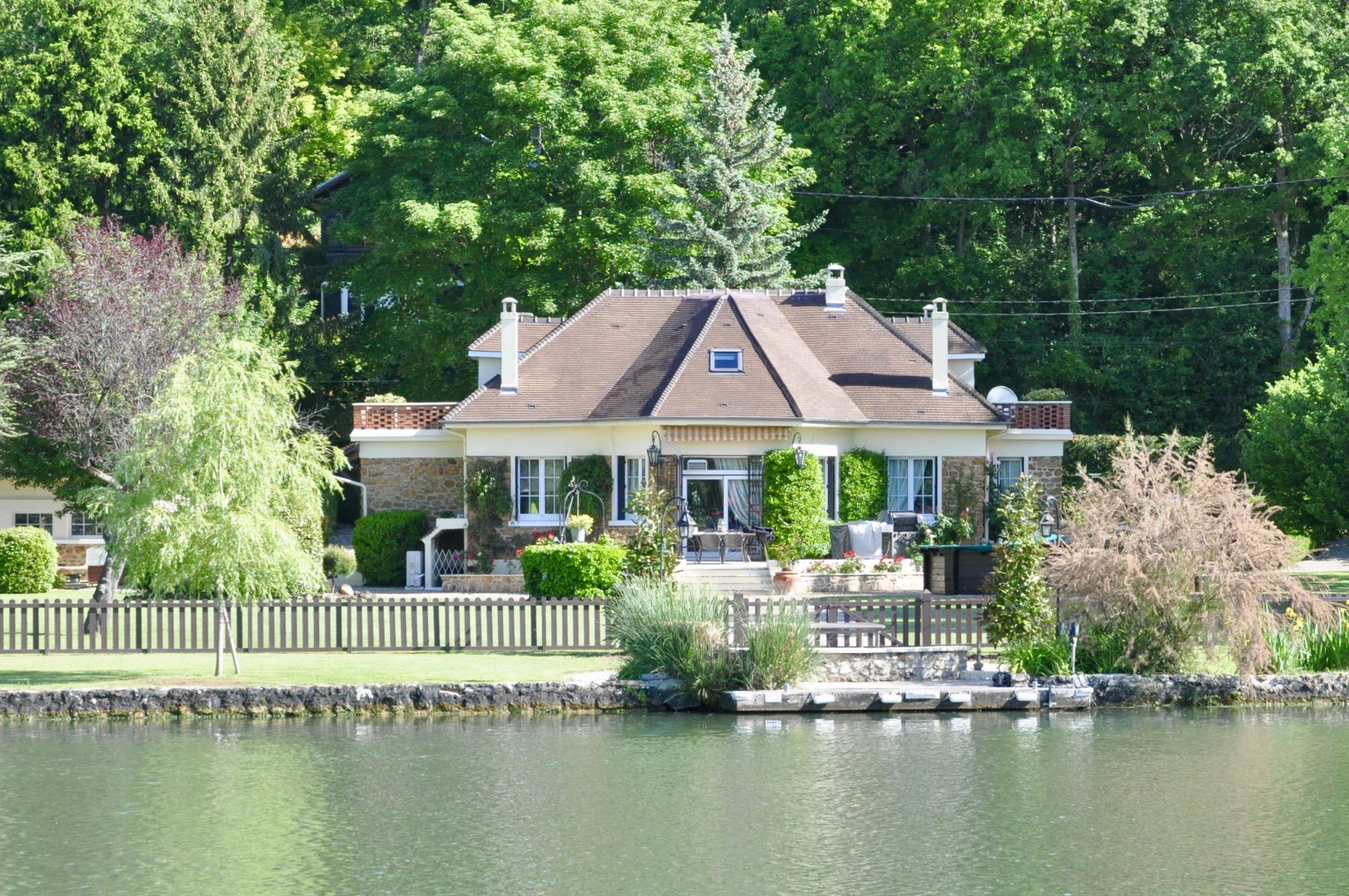
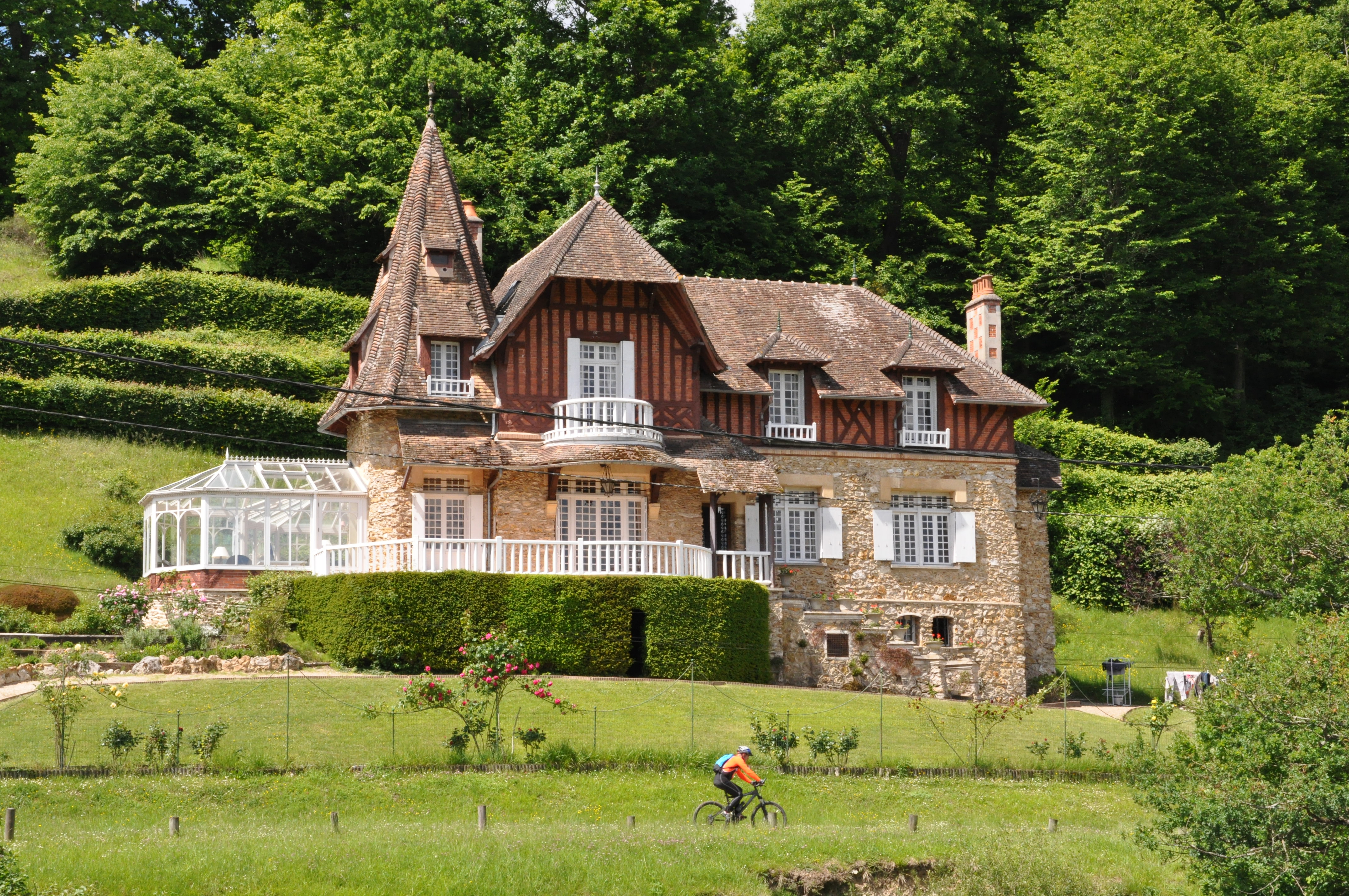
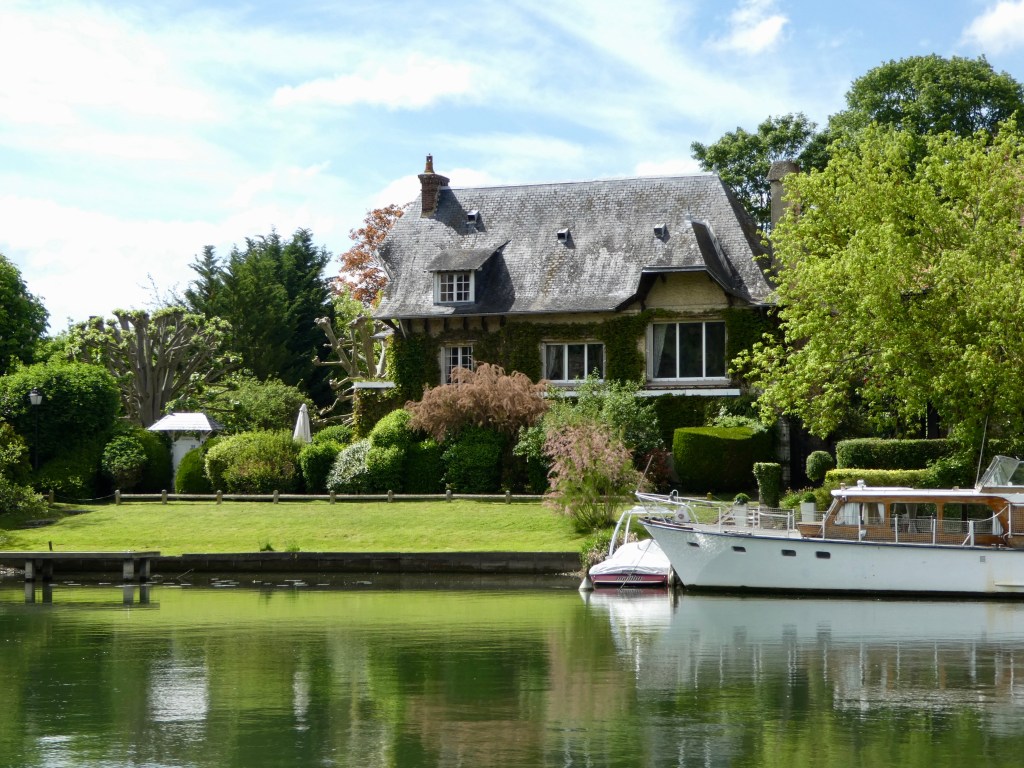
As we continued up the Seine, many beautiful homes, often large and of relatively new construction, lined the riverbanks.
Canal boats, refurbished to the nines lined parts of the riverbanks representing many interesting architectural themes.
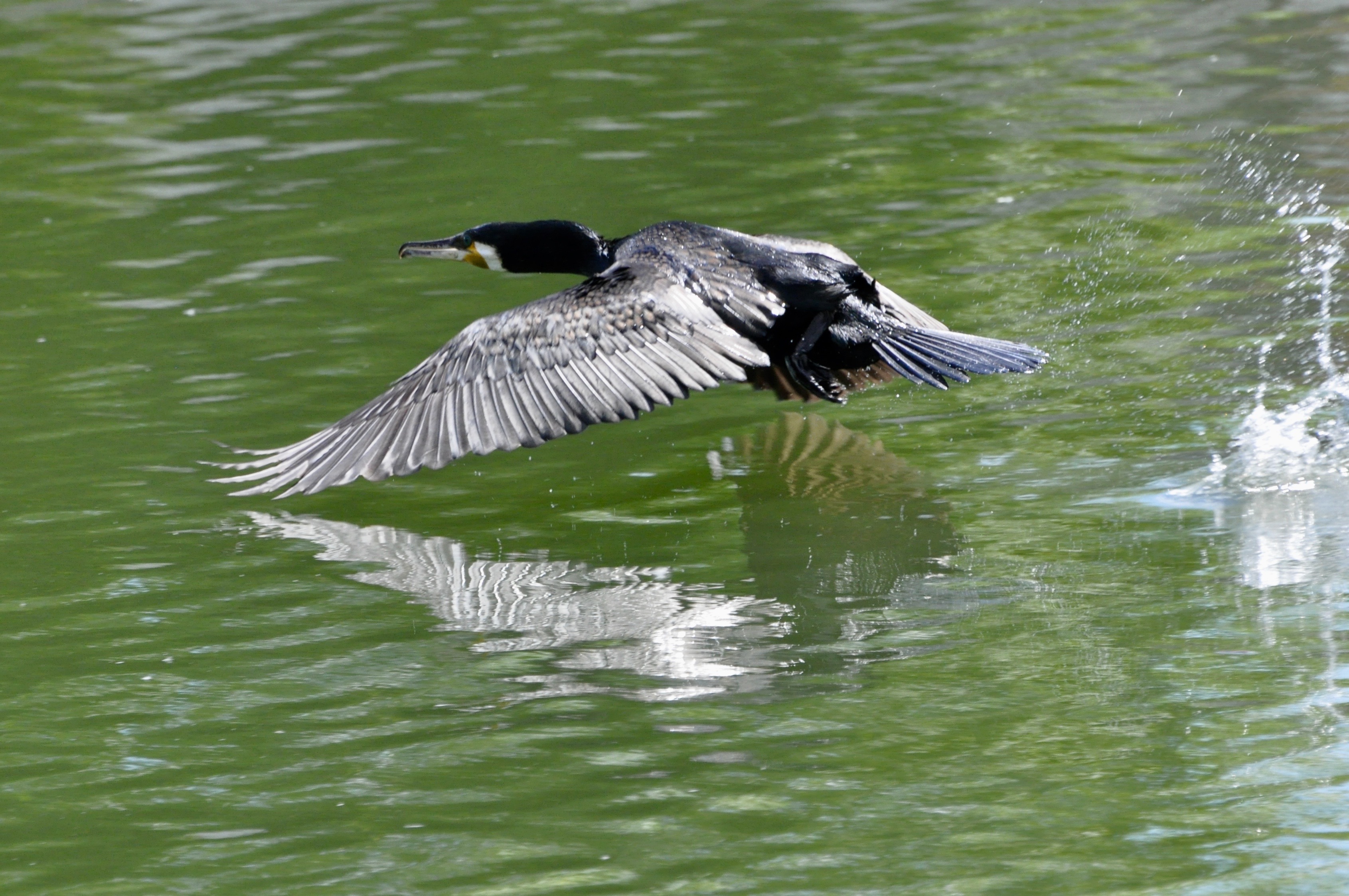
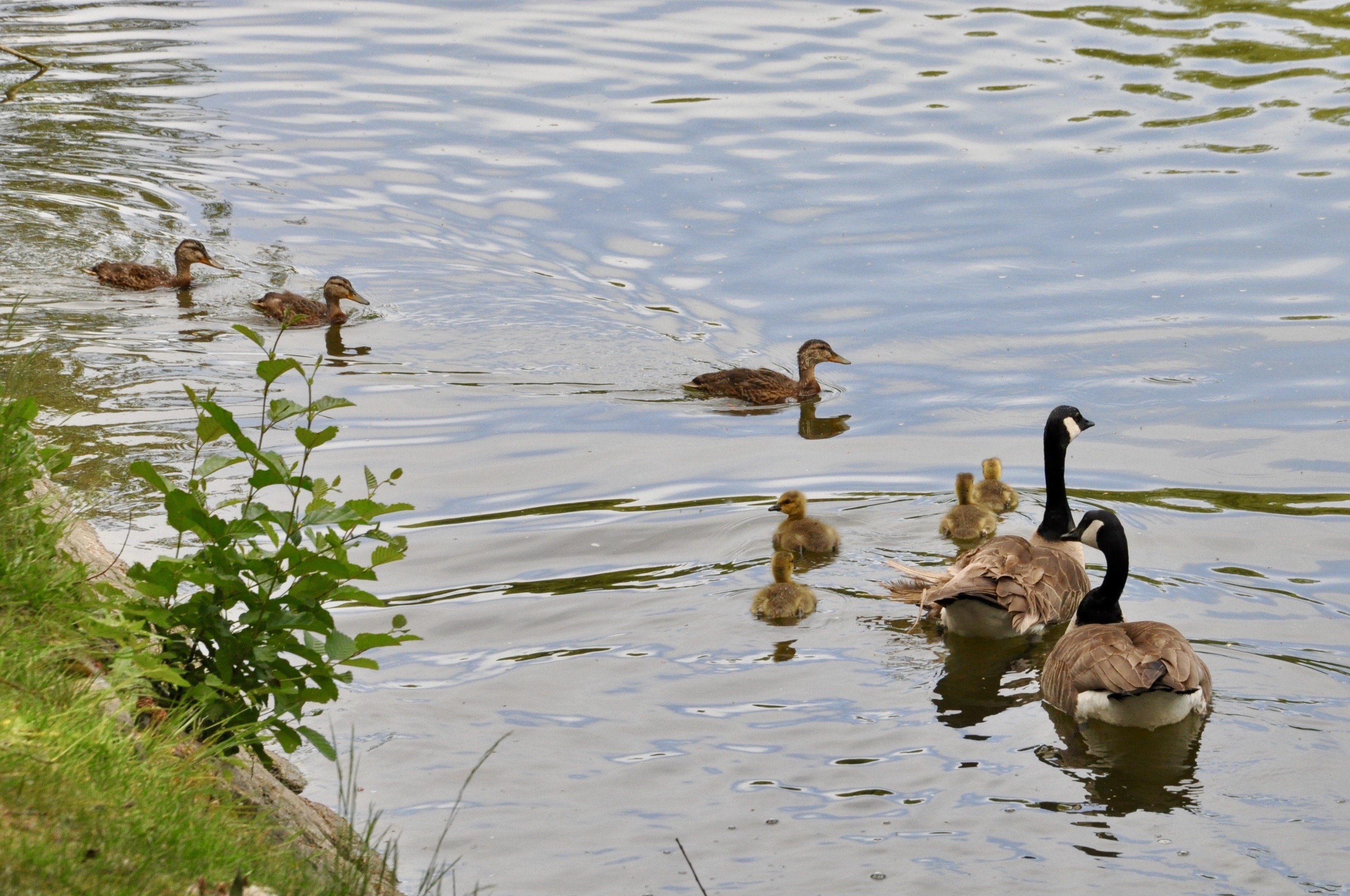
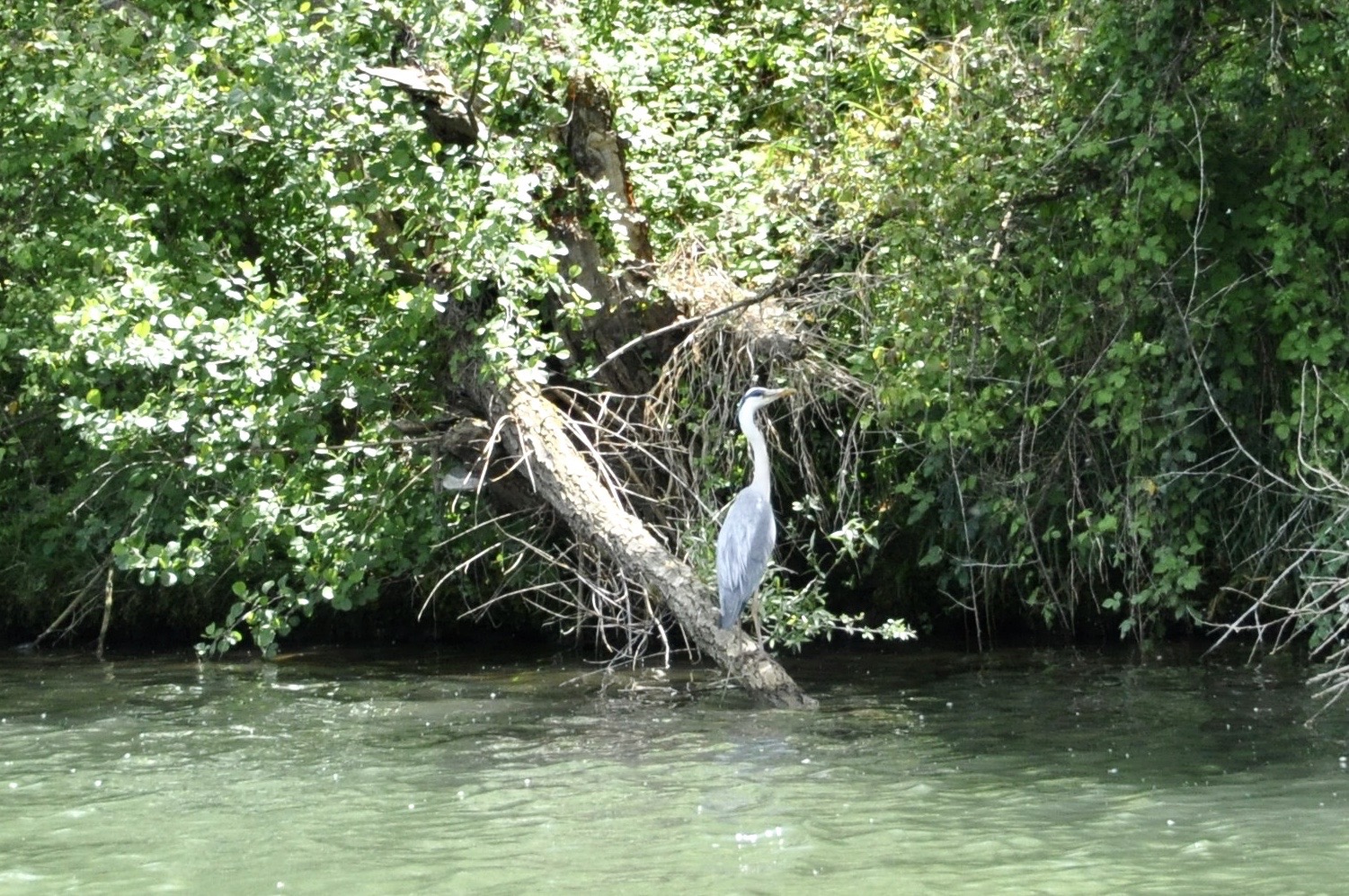
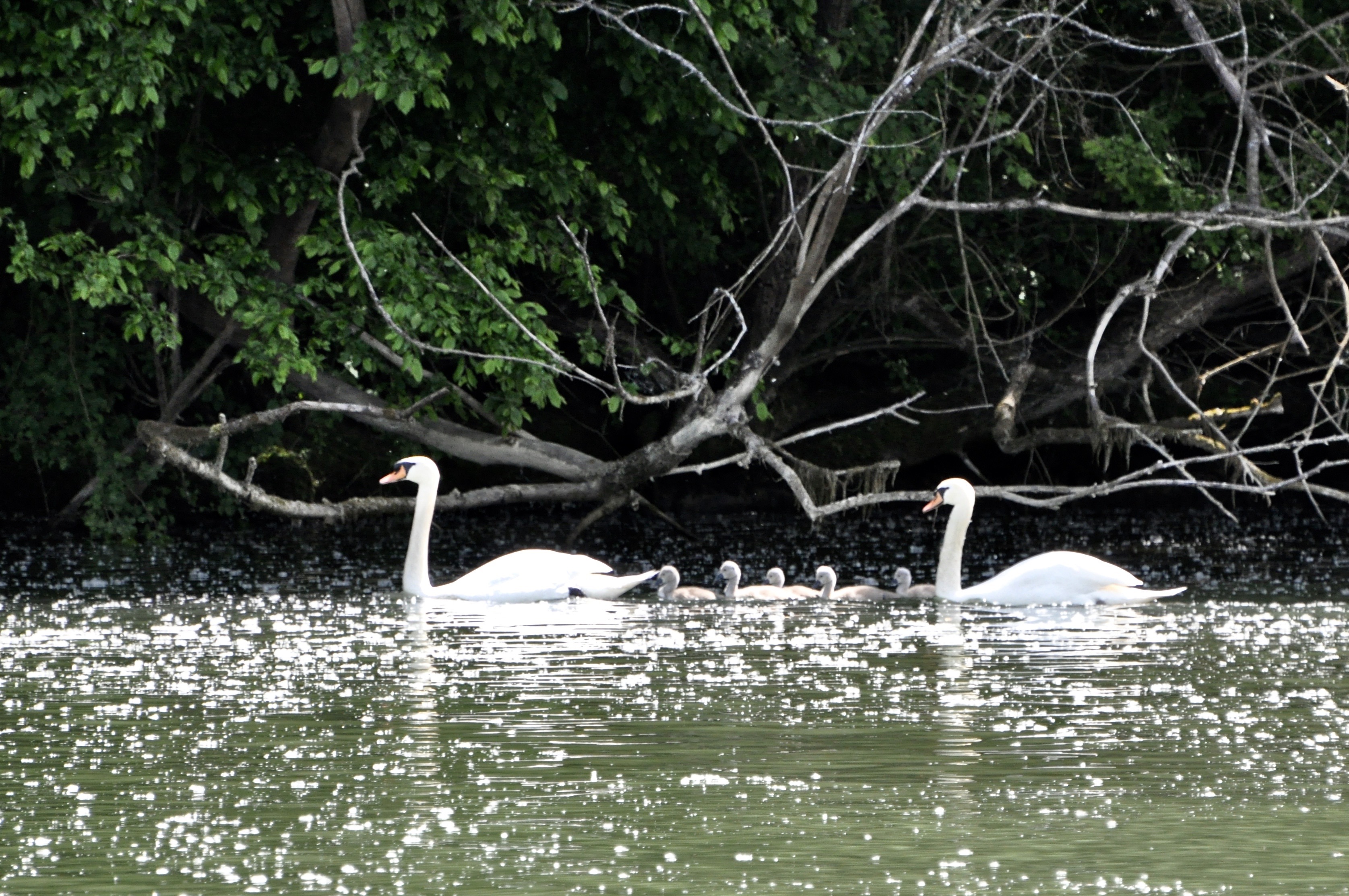
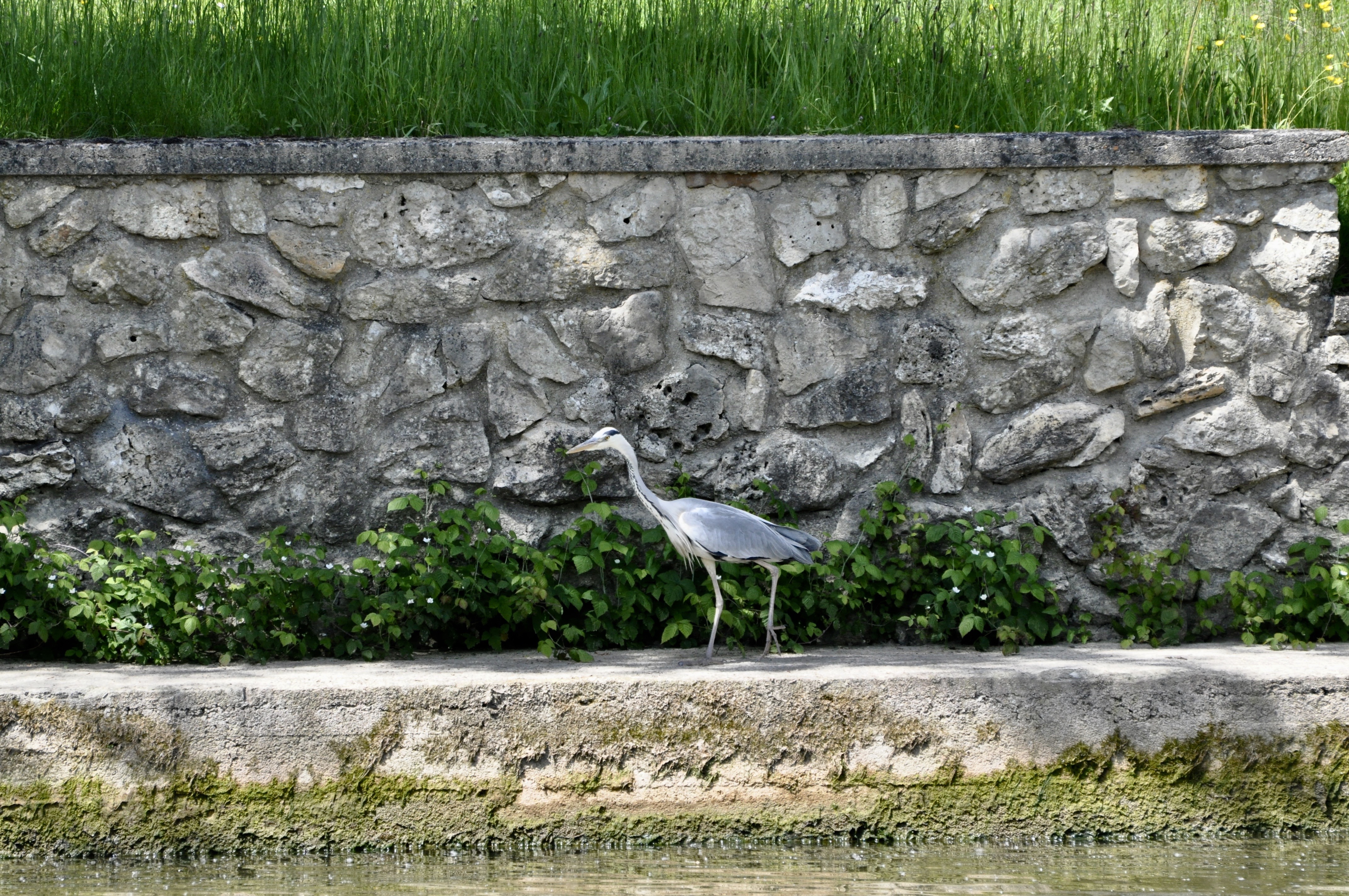
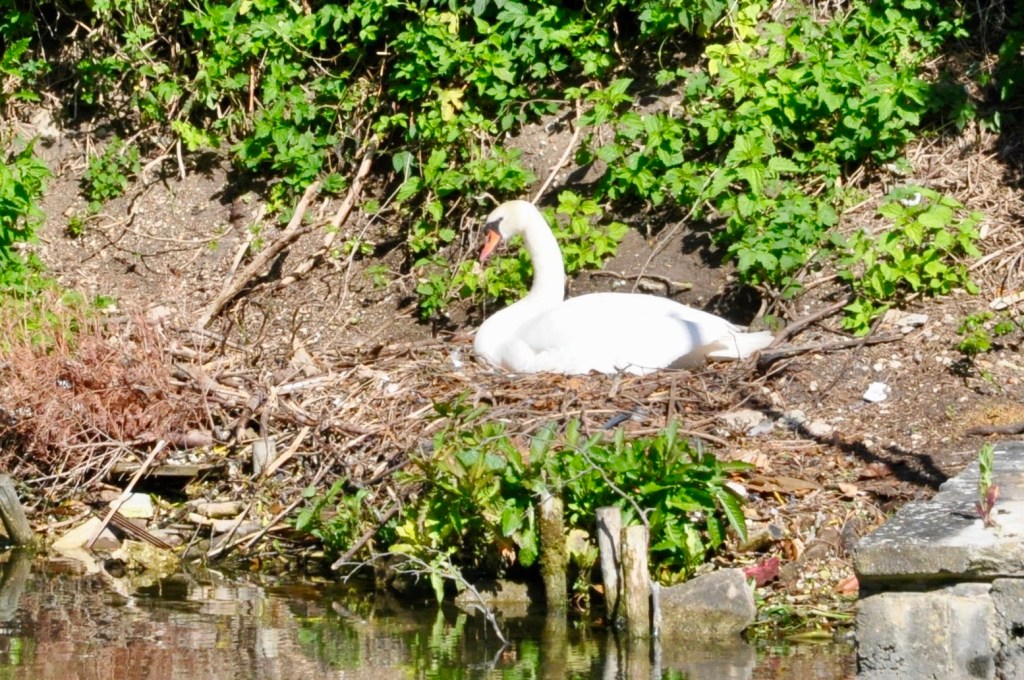
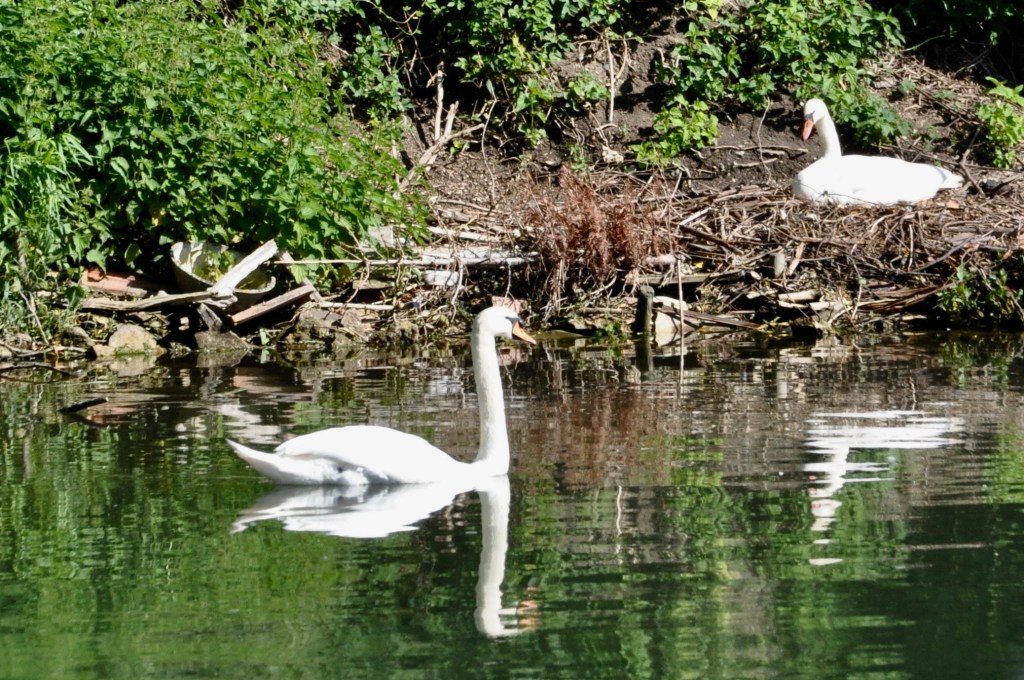
Water birds of a wider variety were present, and often accompanied by hatchlings.
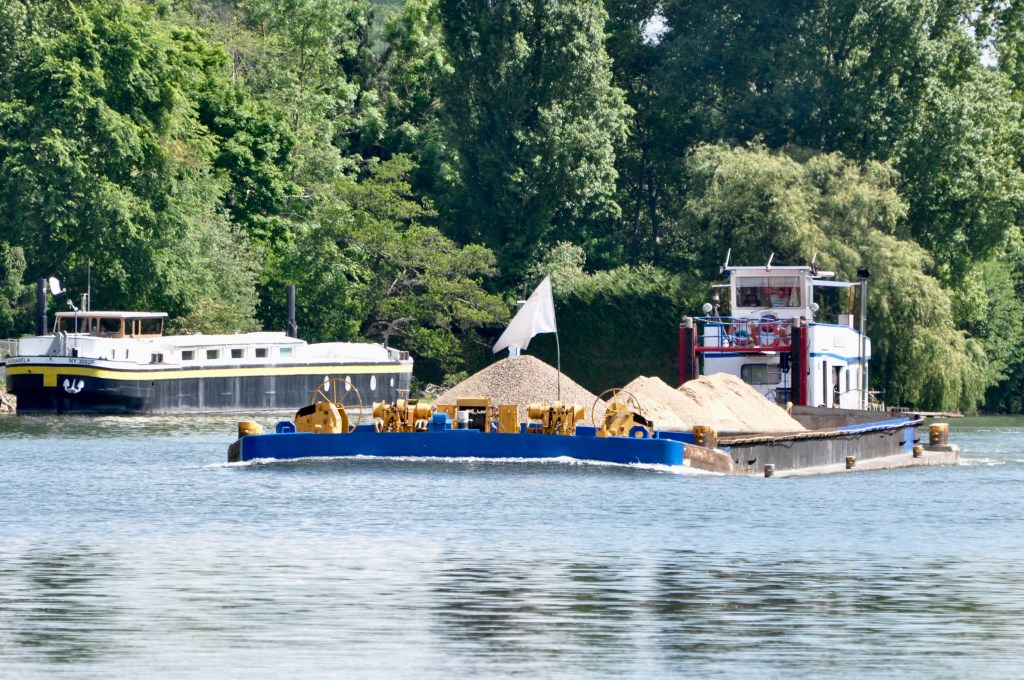
Swan sitting on nestMale swan made his presence when it seemed we were too interested or too close to the nesting female.Small River Barge
All seemed to enjoy the slow pace and interesting sites.
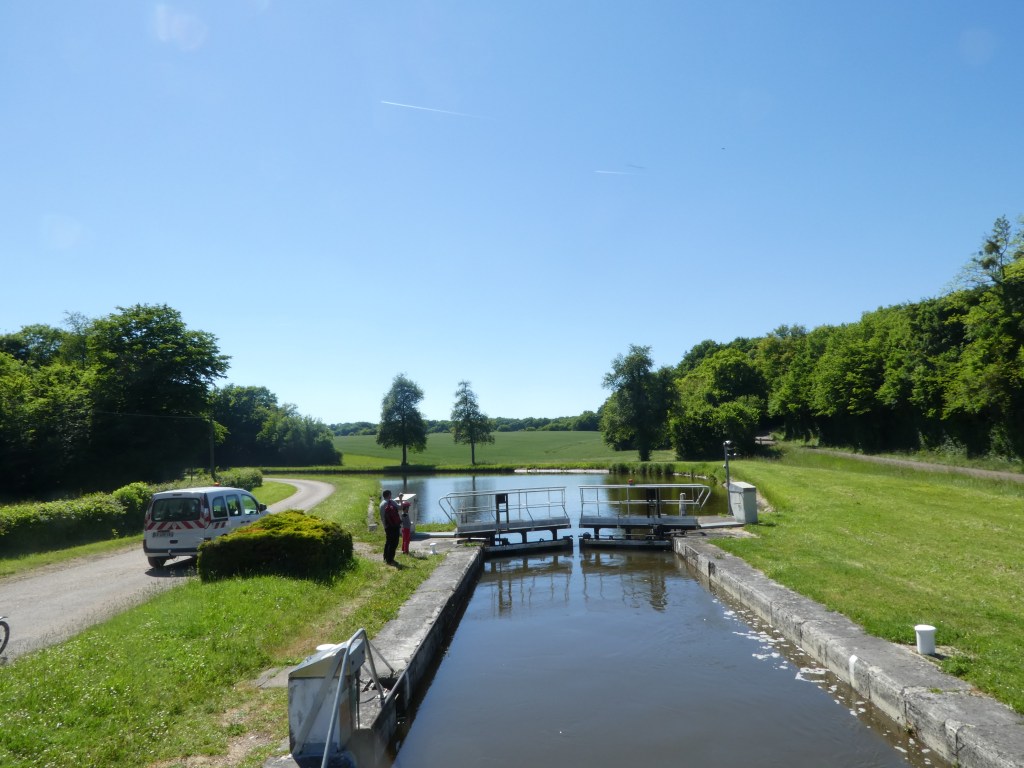
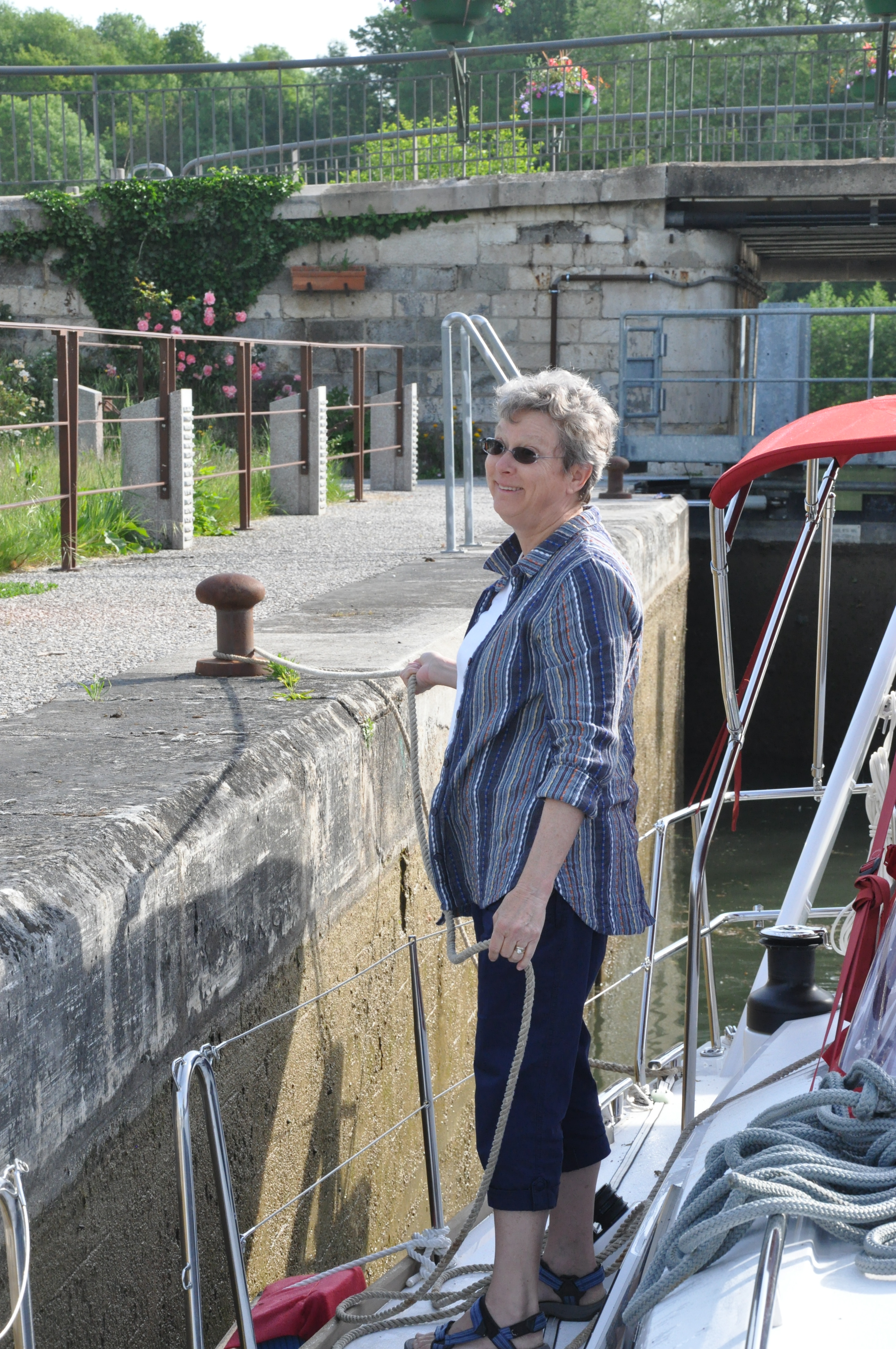
From the Seine, we transferred to Canal Loing, the first canal on our voyage, and soon after, we approached the first lock in the canal. We had read that many of the canal locks do not have lock tenders. They have been reconfigured with electric eyes to open the doors and means for the boater to signal the doors behind the boat to close, after which the exchange of water begins, and finally when the level of water matches the next leg of the canal, to open the forward doors.
The canals work for both directions.of travel and red or green lights indicate if the lock is being readied for you or if you will need to wait for traffic in the opposite direction.
As we approached the lock we saw no evidence that we had been detected. We approached very closely in the in the hope of triggering the electric eye, but with no better luck. We had read that some locks required the boaters to manually open the lock gates so George backed up to a place on the canal where I could get off and inspect the lock itself. I found no solution to open the lock until I approached a small building with a button to push in the event the lock was not working. After a number of tries a person responded and I communicated our situation. She indicated someone would come to assist us but it might take some time.
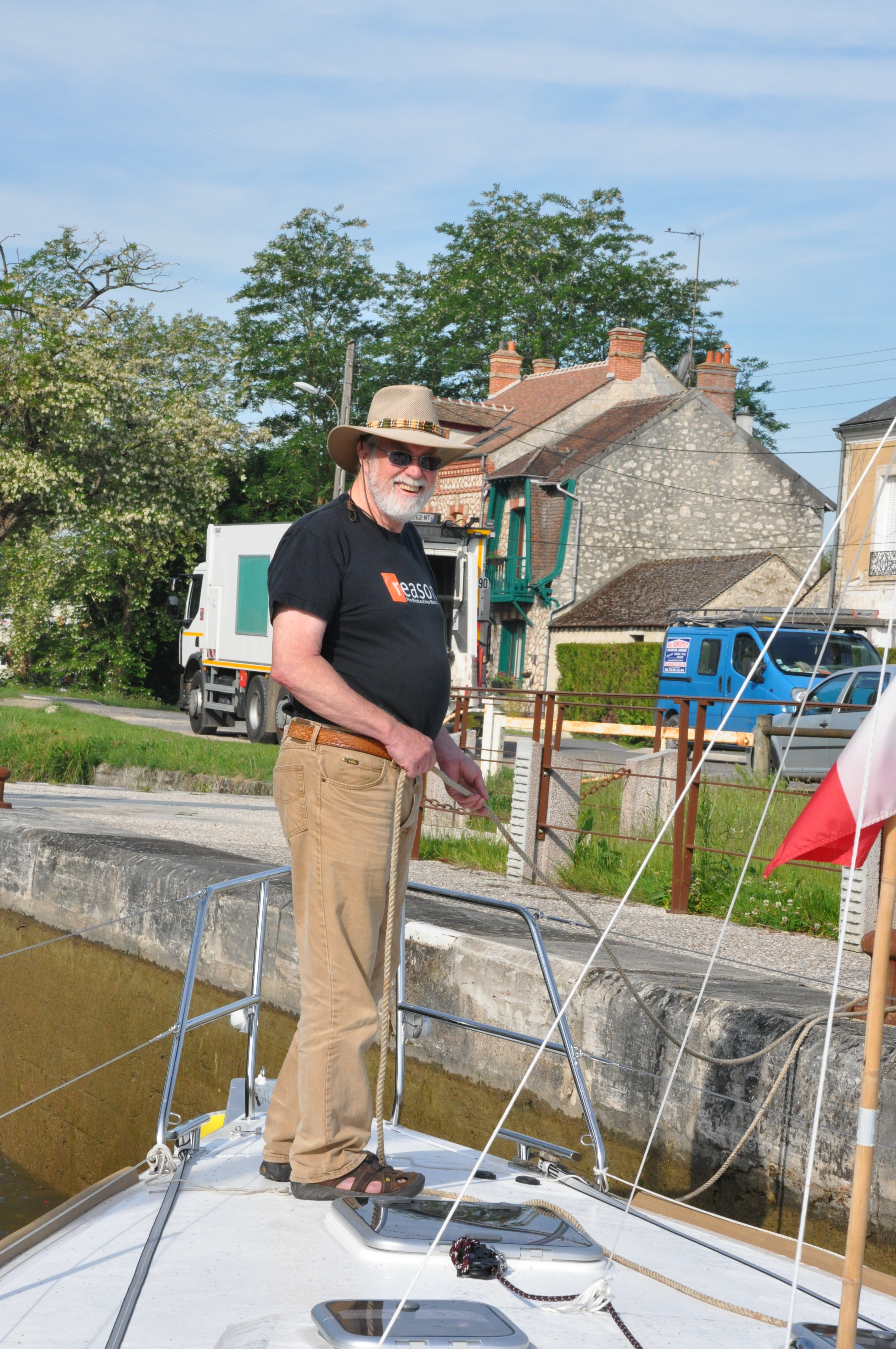
A gentleman arrived and in George’s mysterious capacity to decipher instructions without speaking or understanding a word of French, learned that we should have received a signaling device to alert the lock, and would be able to get one at the next lock. As for much of our journey, small problems were sorted out and we carried on that much more prepared.
It seems this lock had not finished messing with us, however. The water level rose to a height nearly at the top of the lock. As such, the fender guards George had built to protect Ice Floe from the concrete walls, were out of the water. While departing, Ice Floe glanced the edge of the exit and got her first significant scrape. It was a sad moment, but we knew it was bound to happen.
A short way on it was time for Nancy and Bruce to leave us and we said farewell. They were our first guests on Ice Floe and joined us for a number of first experiences along with us, (mostly good ones).
We sailed into Paris in the early evening on May 16th. Our guide book had George prepared for the worst with descriptions of where boats must pass under a myriad number of bridges, traffic lights that regulate the right of way, and a waterway full of cruisers, sight-seeing tour boats and working barges. All this, and being sure not to miss the sights of Paris from your own boat, seemed a bit intimidating. In actuality, we arrived at the marina we would stay at, unscathed and pleasantly surprised that the trip went so smoothly.
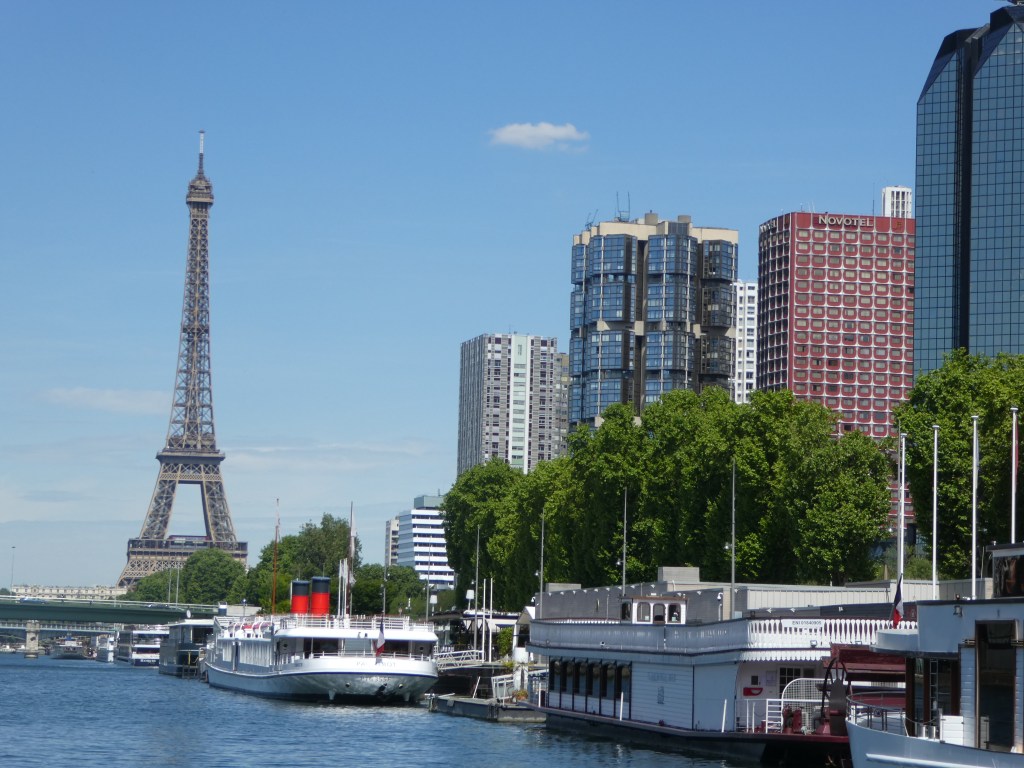
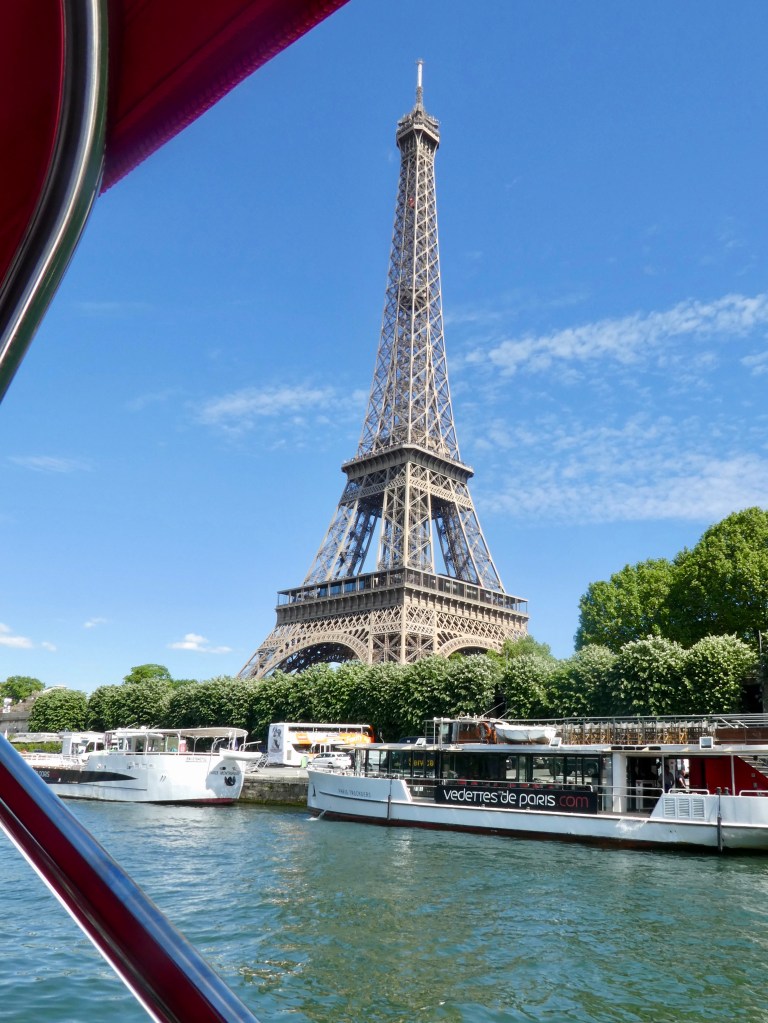
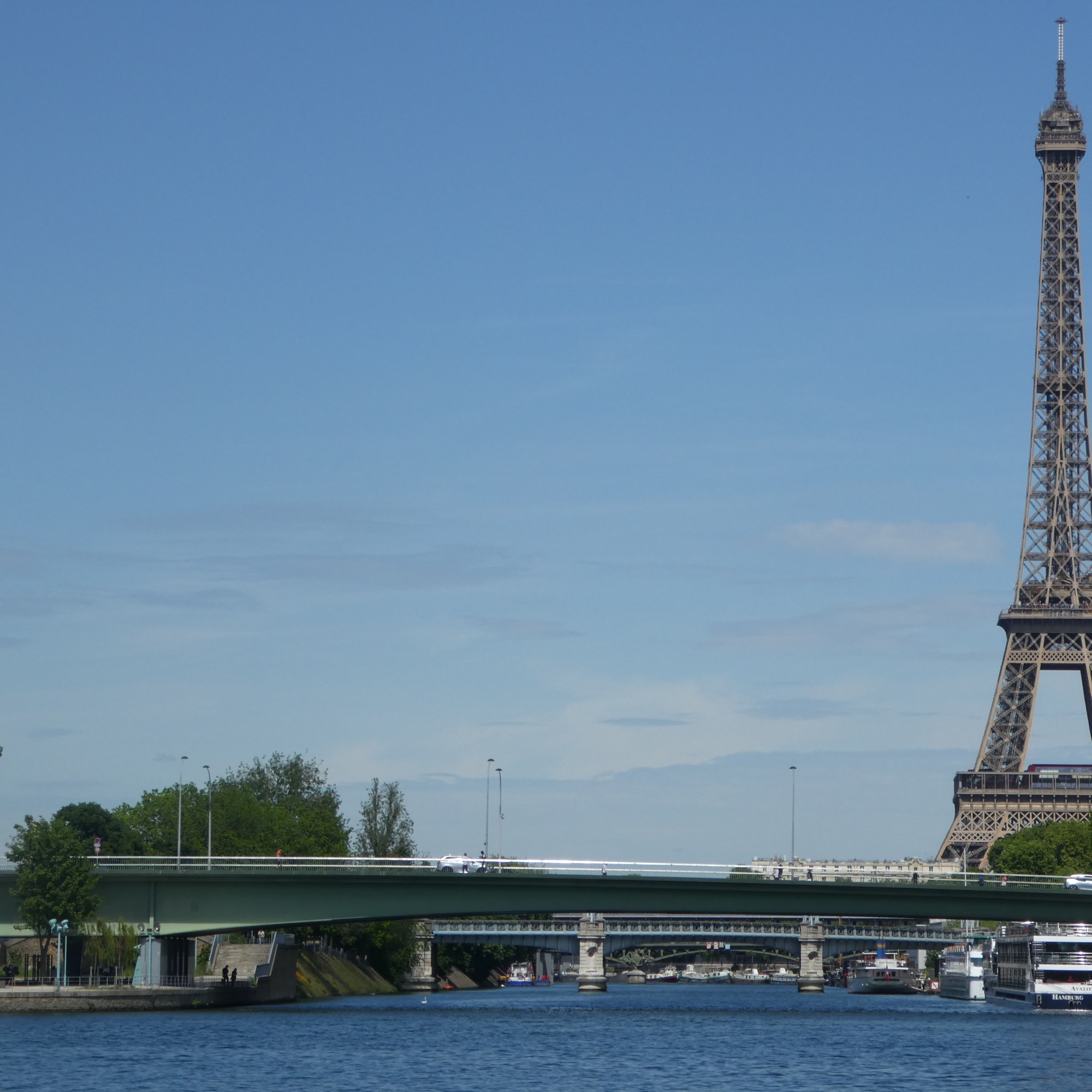
The Seine passes right through the heart of Paris. Right past the Eiffel Tour.
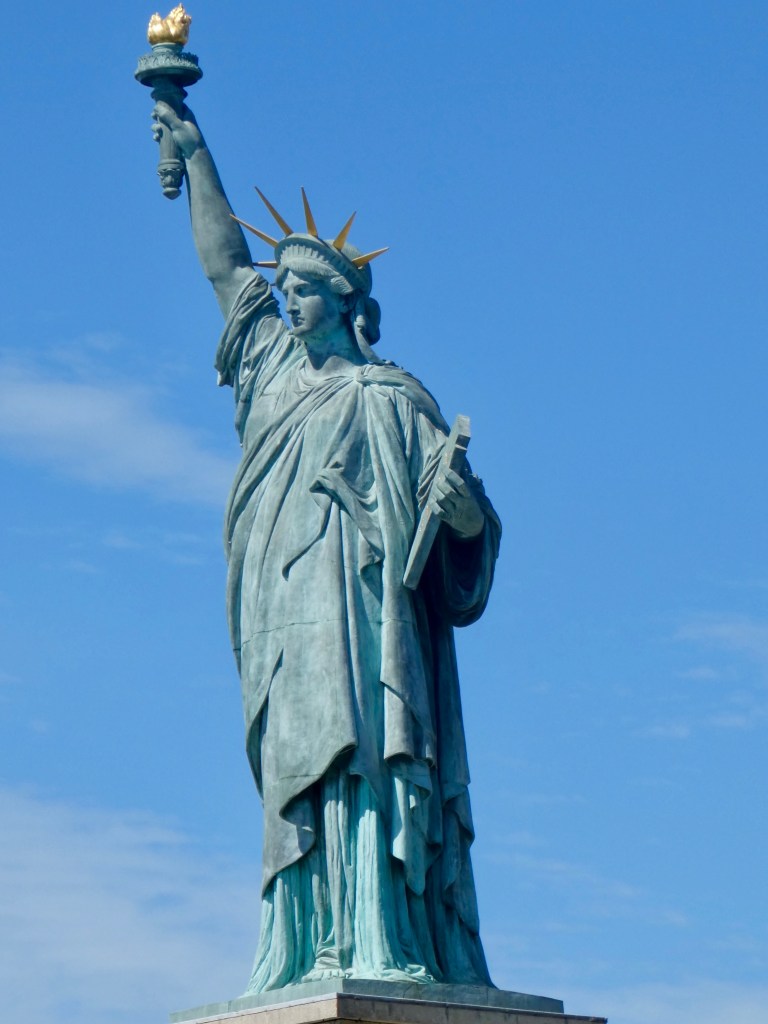
Right past France’s Statue of Liberty. You may recall that France gave the U.S. our Statue of Liberty in 1883. The U.S. gave France a smaller version of the statue in 1886.
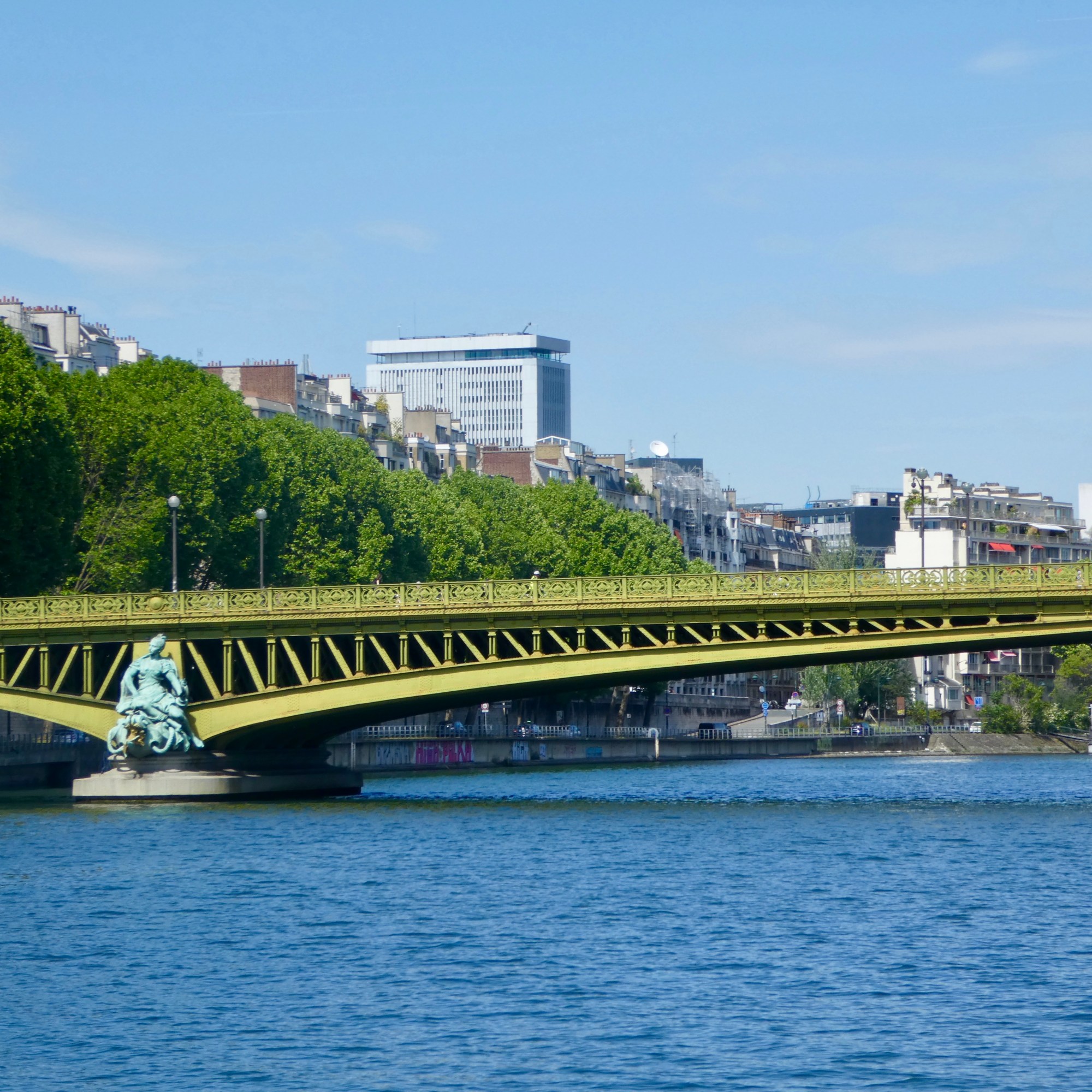
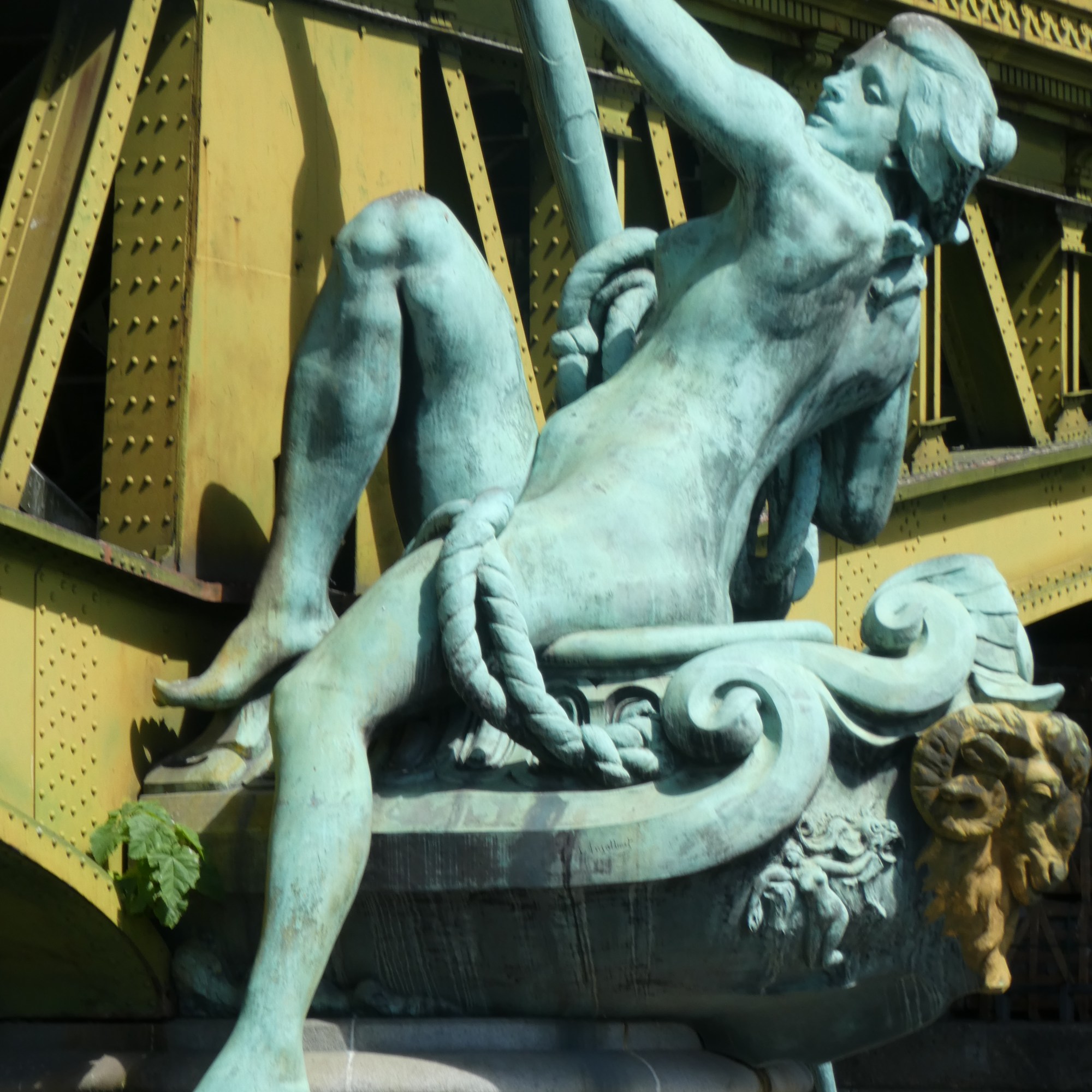
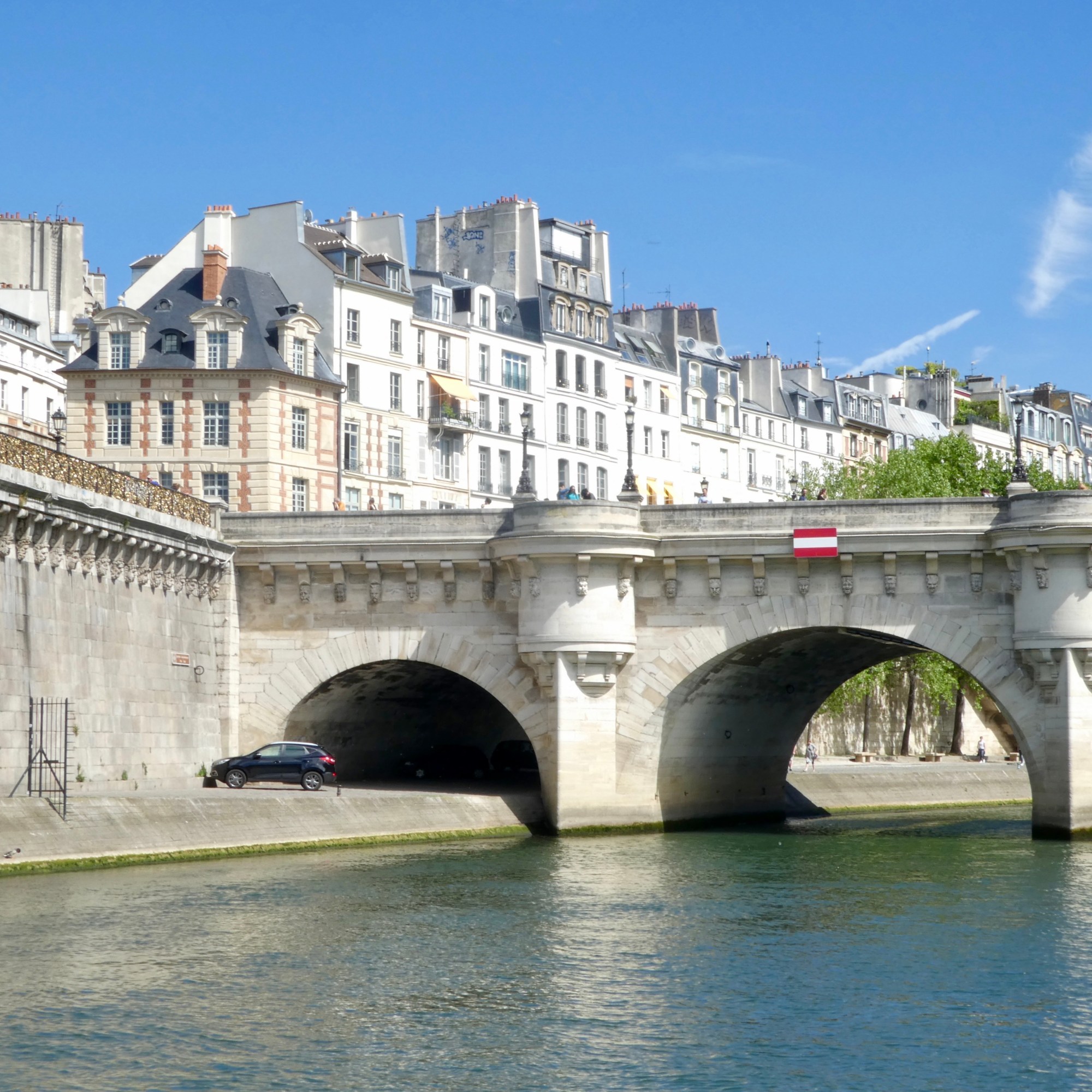
We did pass under a myriad number of bridges (38 in fact).
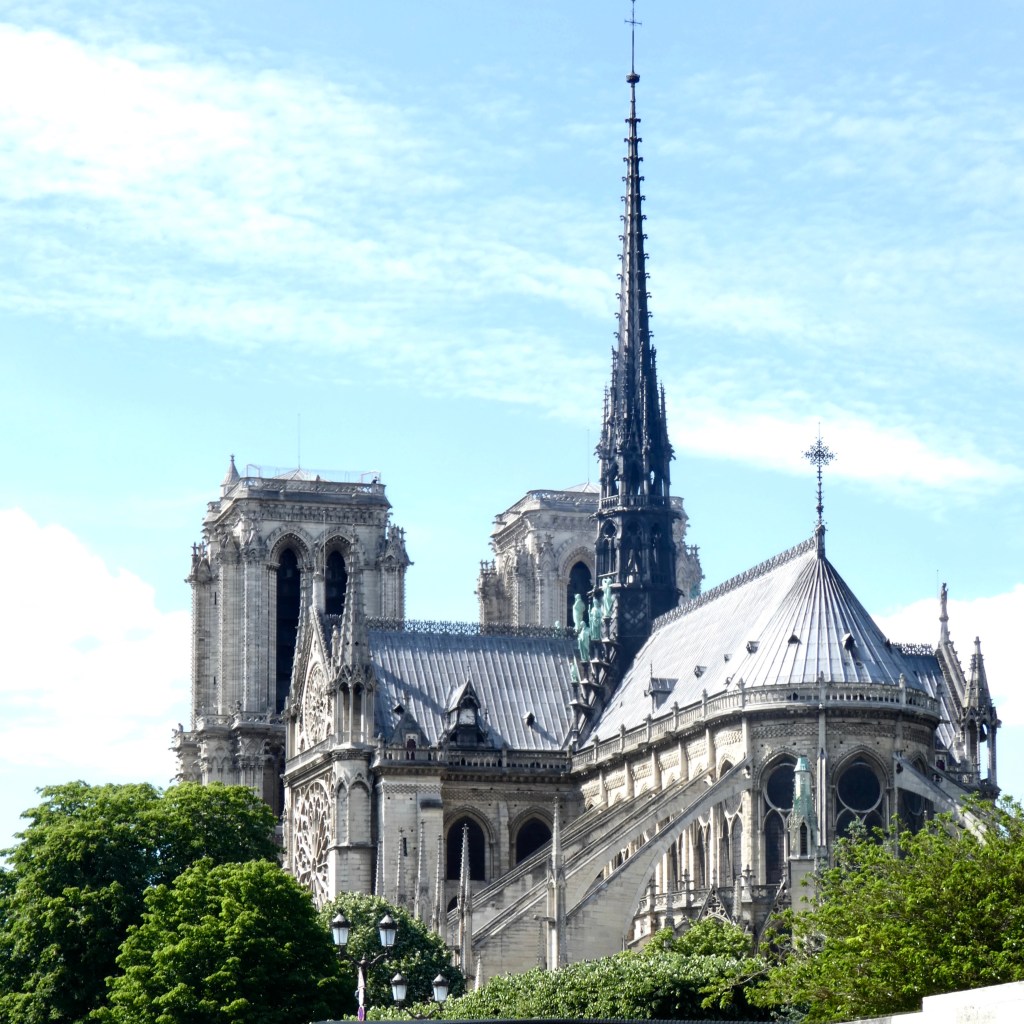
And right past Notre Dame Cathedral. Did you know there are many Notre Dame Cathedrals? Notre Dame translates to “Our Lady” and I am not exaggerating when I say, to date, we have visited more towns, villages, and cities in France that have a Notre Dame Cathedral.
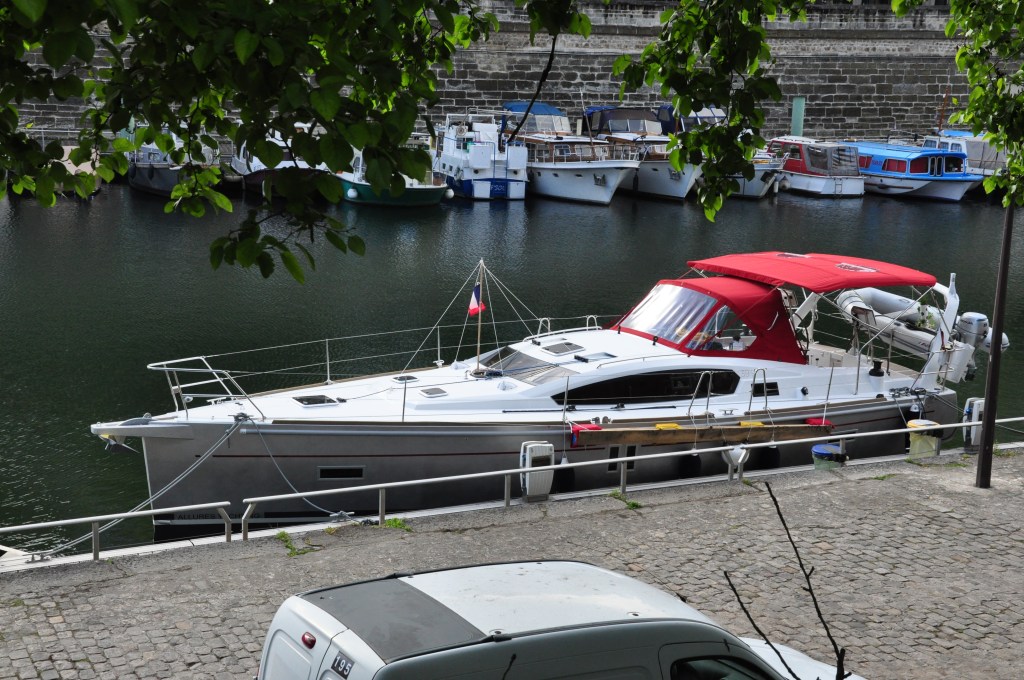
We stayed in Paris at the Port D’Arsenal de Paris marina for the incredible low price of 40 Euro per day including water, electricity, and showers. We met the 2nd and 3rd couple who indicated they had set out on a 2 year cruise, 10+ years ago, and hadn’t yet finished. These and other veteran sailors we have met, have been all over the world, some in the same boat, others in multiple boats they keep in different areas of the world. Commonly, they have favorite spots they visit regularly and the Port D’Arsenal appears to be one such place. This enables these “nomads” to reconnect with friends they have met on the water and share years of past experiences with.
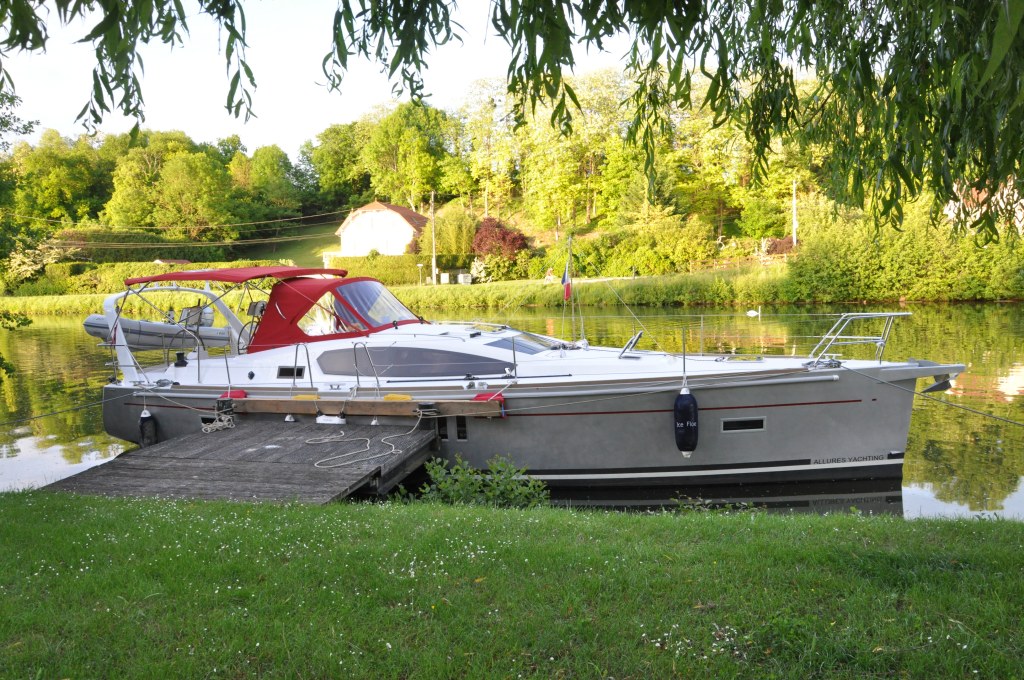
Ice Floe in Port D’Arsenal
Speaking of old friends with shared experience, we met up with Nancy and Bruce the day after we entered Paris (May 17th). Nancy and Bruce were visiting Switzerland and took a train to Paris to spend a week with us.
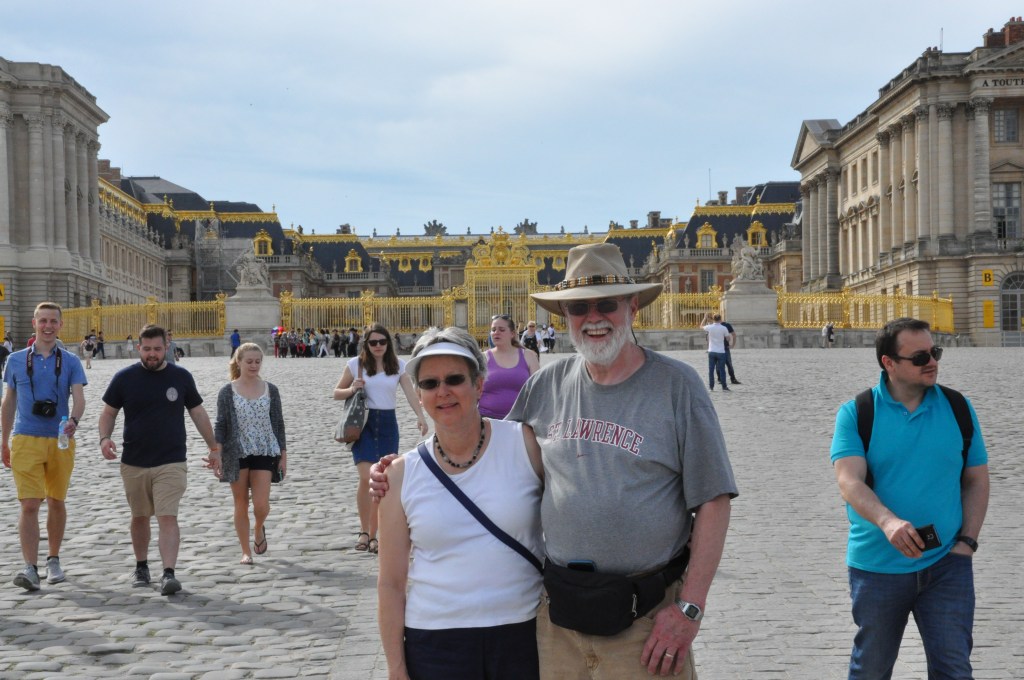
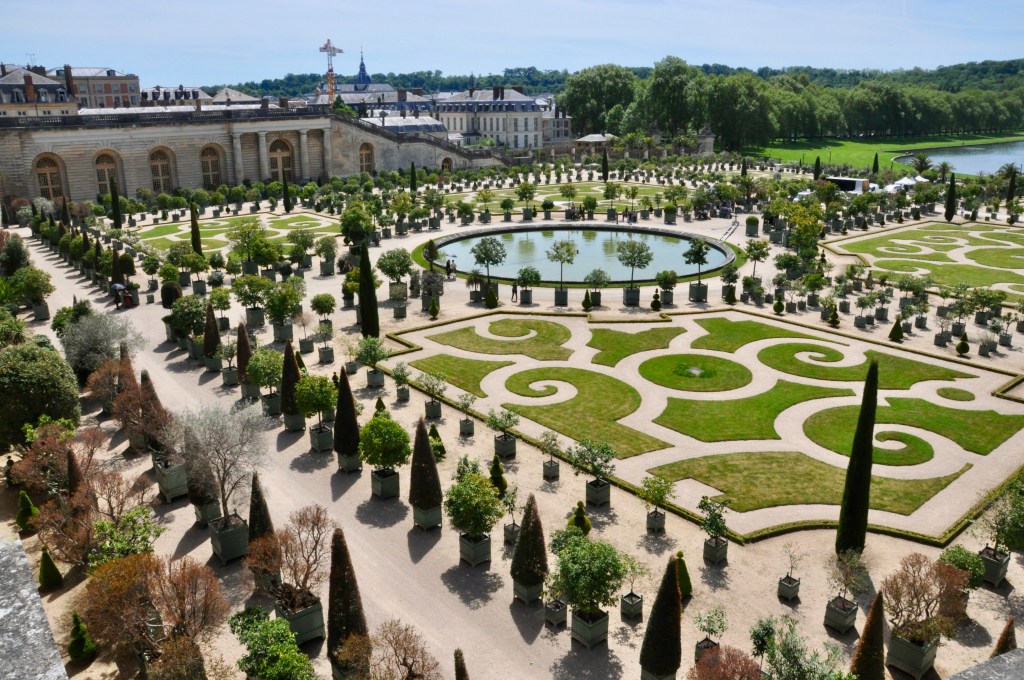
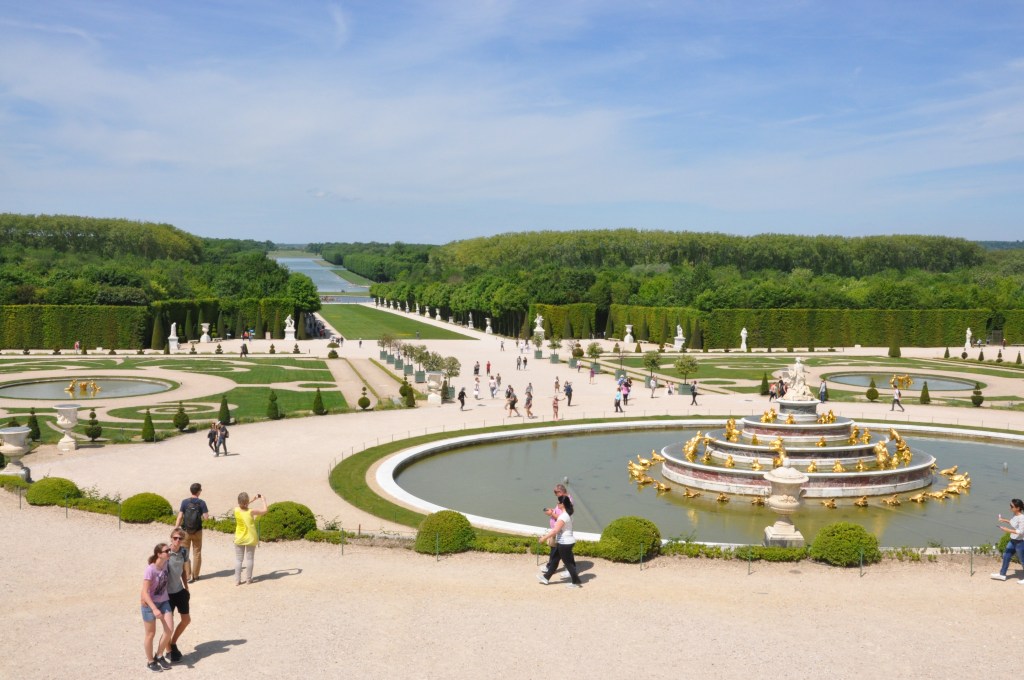
We visited Versailles on our first day together. George and I spent the day within the Versailles gardens. They were as spectacular as when we visited them in January, but our imaginings of the gardens all abloom with flowers was a fantasy, as the gardens remained flowerless. The gardens year-round are an amazing display of shrubs and trees laid out in a strict geometric pattern with extensive topiary sculptures.
Nancy and Bruce spent some time in the gardens and also toured the pallace. When I asked Nancy to describe the interior of the palace I believe what she said was “disgusting”, referring to its opulence and inexcusable use of the country’s wealth in the midst of the squalor of the majority of citizens.
The first structure of what encompasses the Palace of Versailles was initially built by King Louis VIII in the 1620s as a hunting lodge. The grand expansion was undertaken by King Louis XIV later in the 17th century. He subsequently moved the royal court from Paris to Versailles which remained there for the duration of his reign and that of Louis XV until shortly after the beginning of the French Revolution (1789) that resulted in the fall of the Monarchy. Some of the castle’s splendor has been lost to history including a silver balustrade that contained a ton of silver. This, along with all the silver in the castle was melted down to fund a war between France and a coalition of European allies during Louis XIV’s reign.
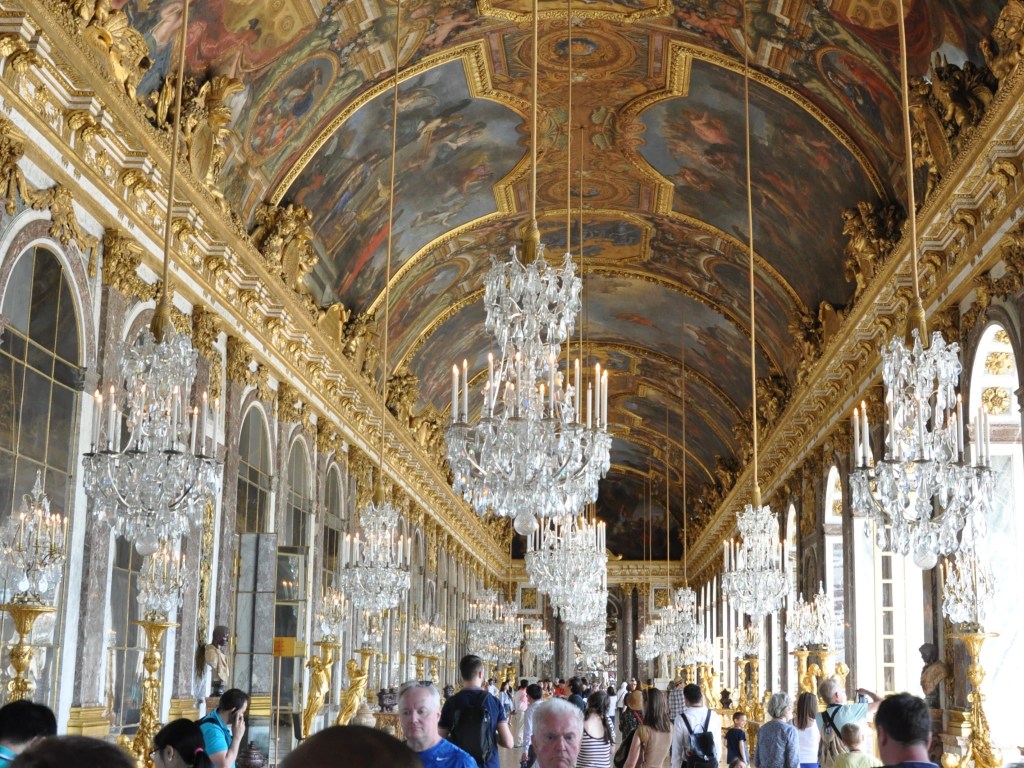
The picture on the left is a room within the Palace named the Hall of Mirrors. The mirrors were made by Venice artisans whose execution was ordered in consequence by the Venice authorities, as Venice, at the time, held the secrets to making mirrors.
The picture on the left is a room within the Palace named the Hall of Mirrors. The mirrors were made by Venice artisans whose execution was ordered in consequence by the Venice authorities, as Venice, at the time, held the secrets to making mirrors.
More of our adventures with Nancy and Bruce in our next update.
From Honfleur, we entered the Seine an hour or so before the incoming tide began. The vestiges of the outgoing tide was sufficient to check our speed over ground to 3 knots. There was no mistaking the change in tide as boat speed increased swiftly and we sped up the Seine at nearly 10 knots with the tide in our favor.
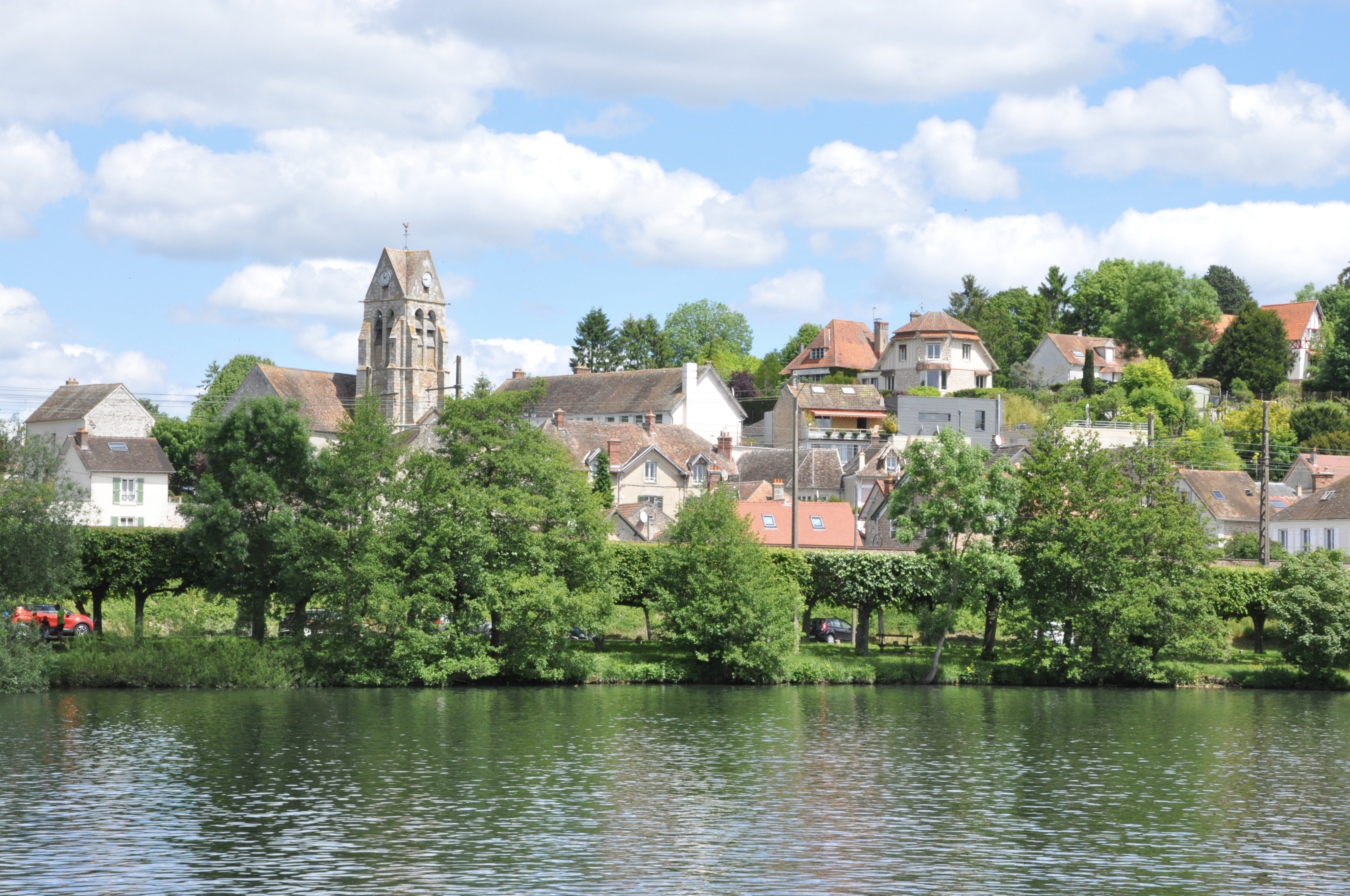
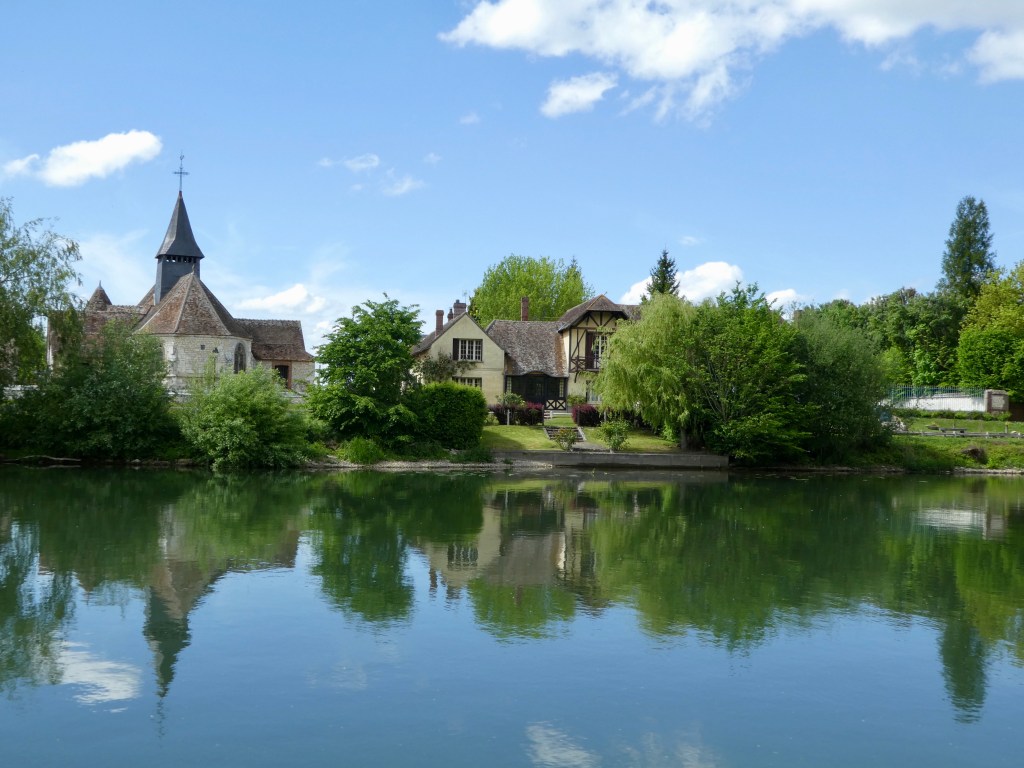
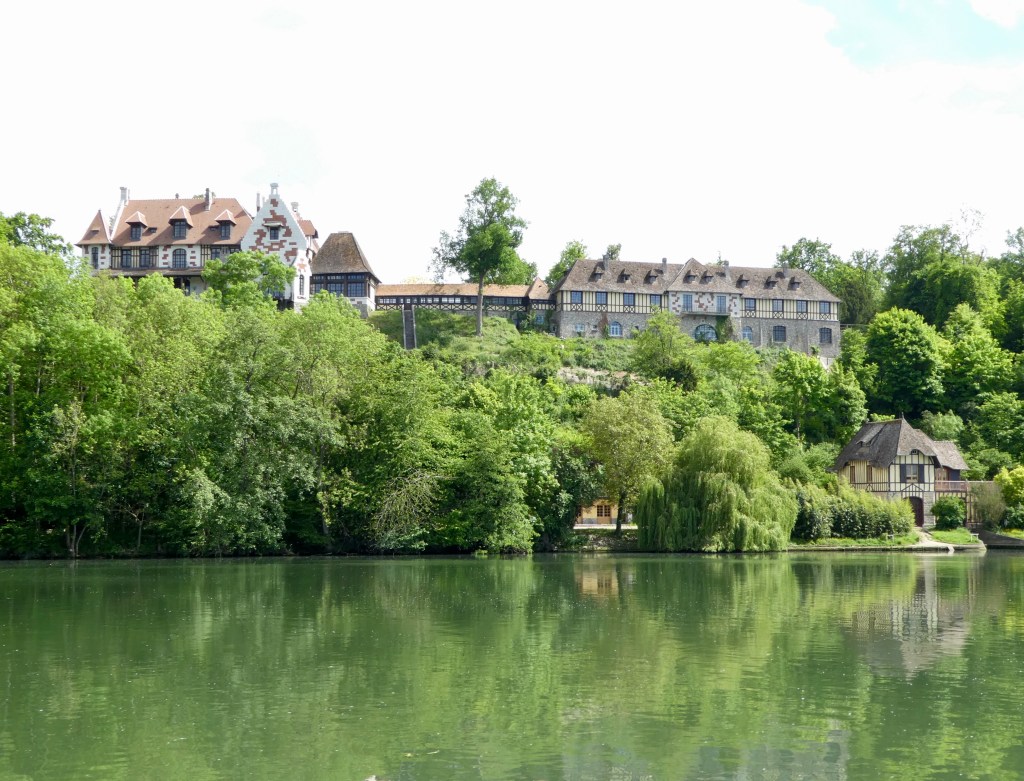
The riverbanks of the Seine offered view after view of meticulously maintained homes of exceptional grace and beauty; many protected with traditional thatch roofs.
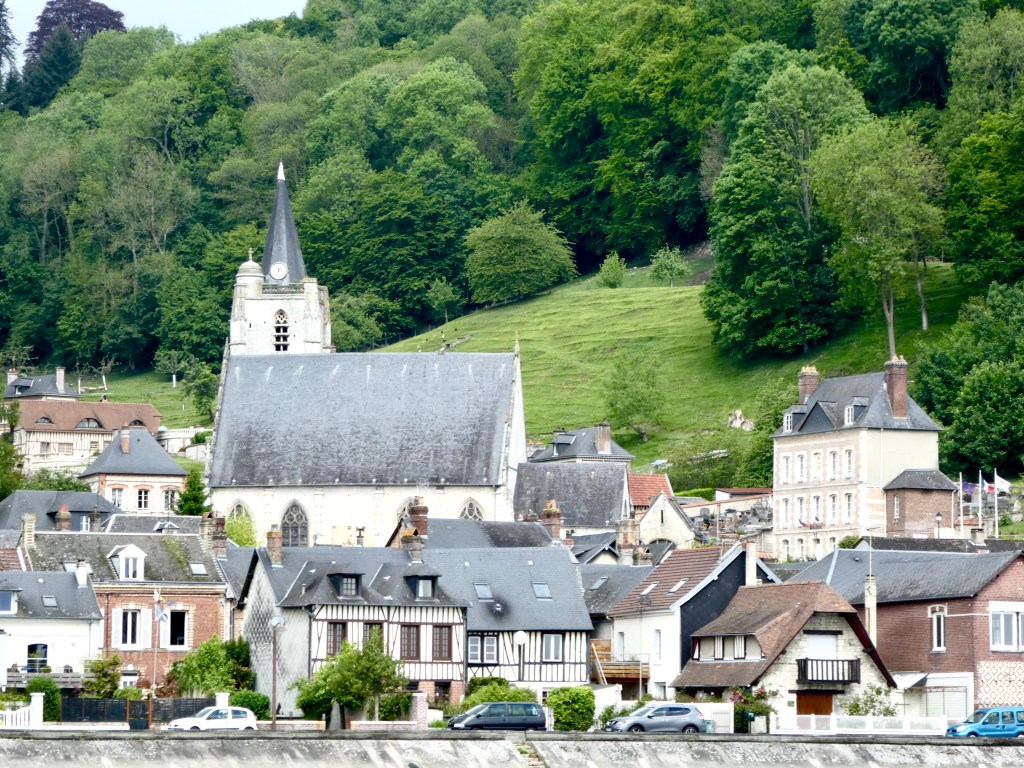
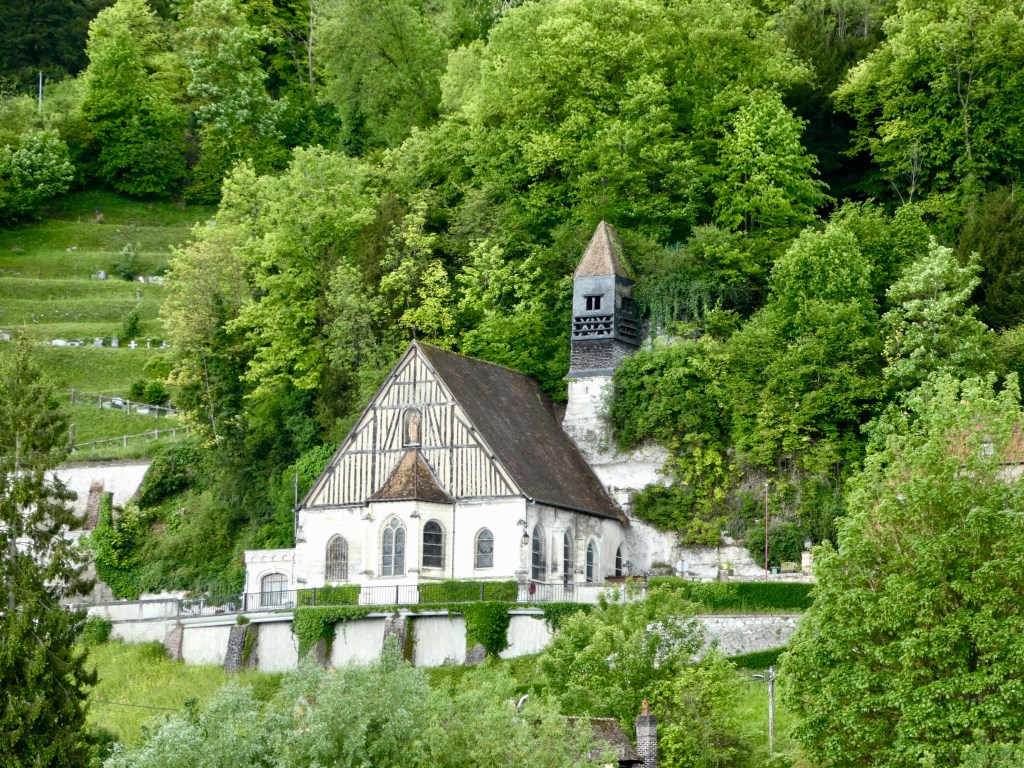
Small villages and churches were equally charming;
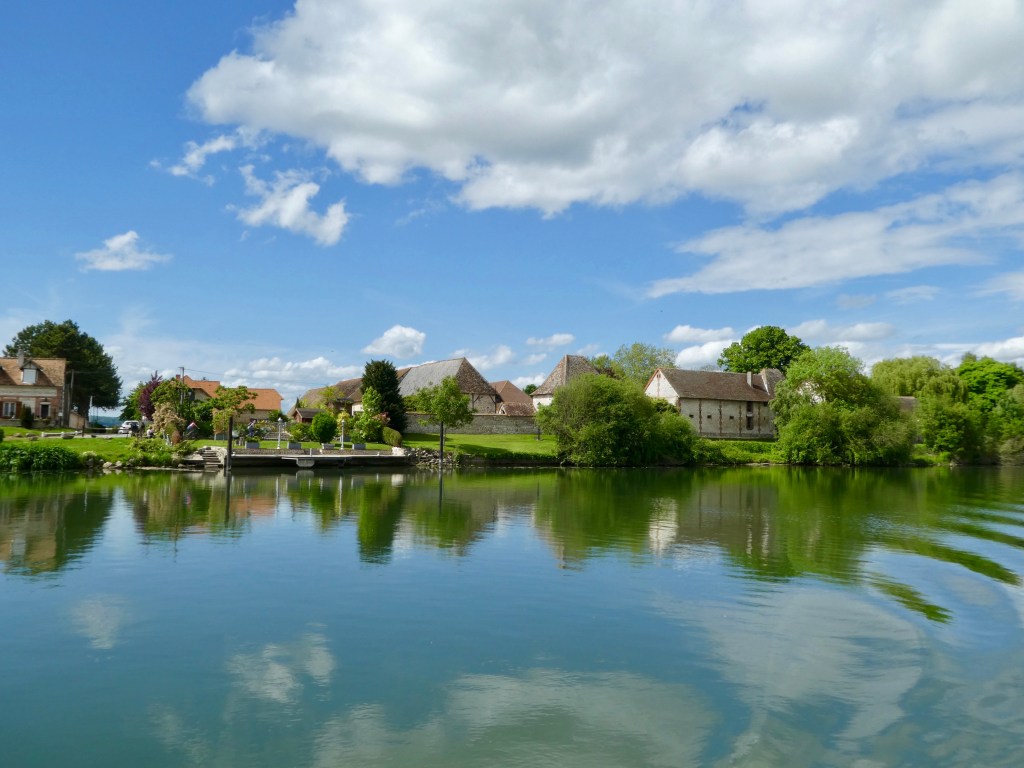
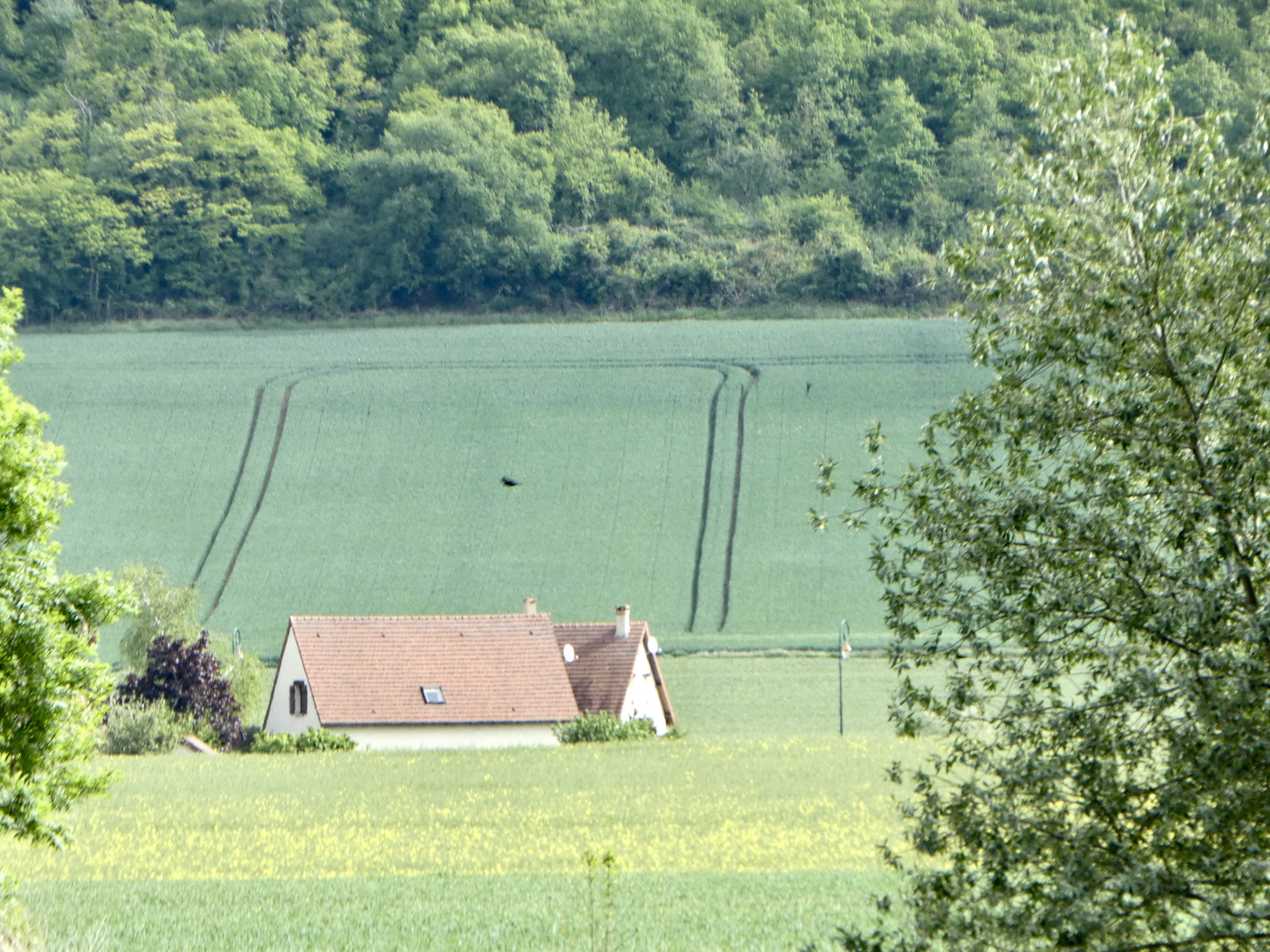
As were occasional farms.
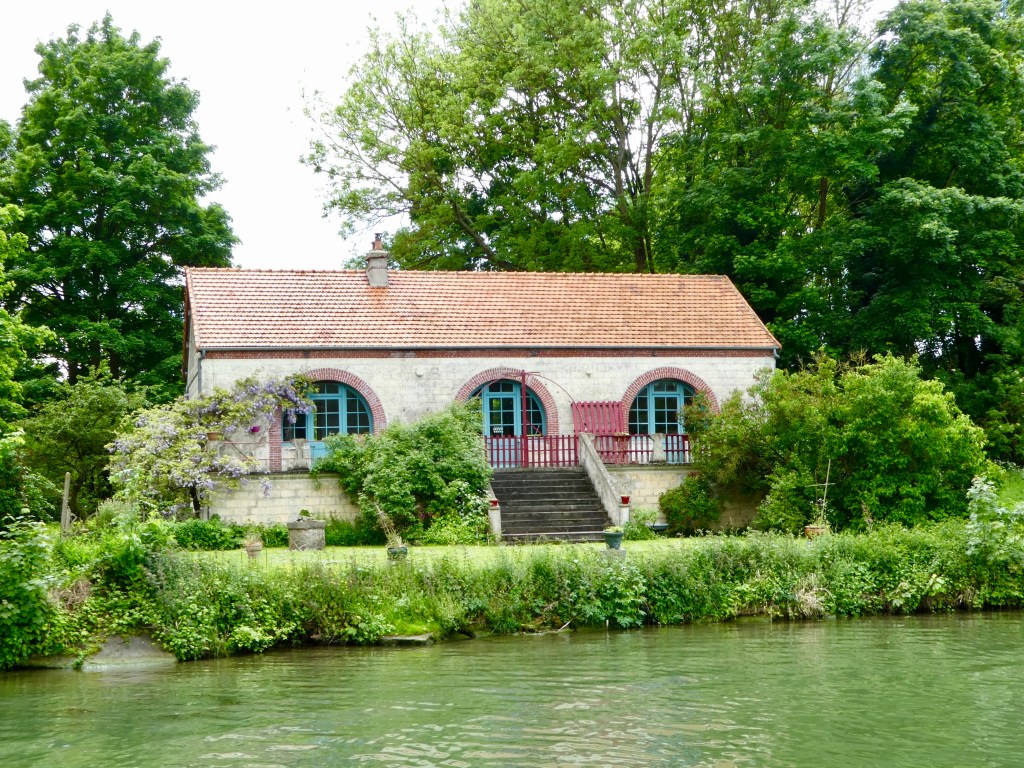
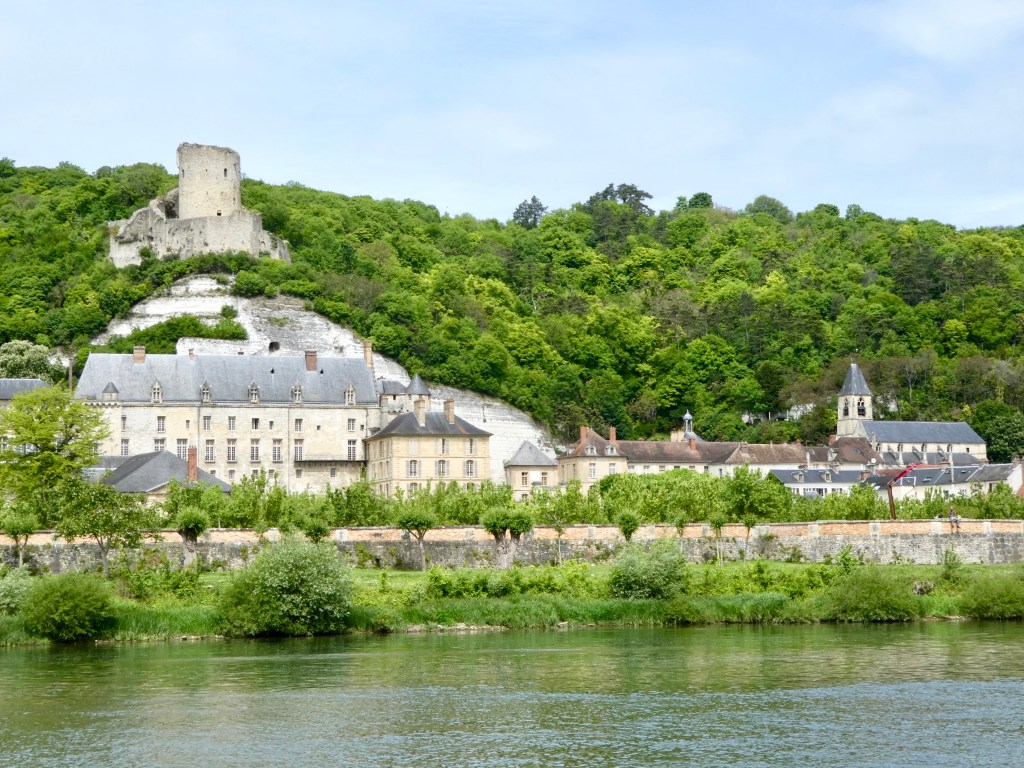
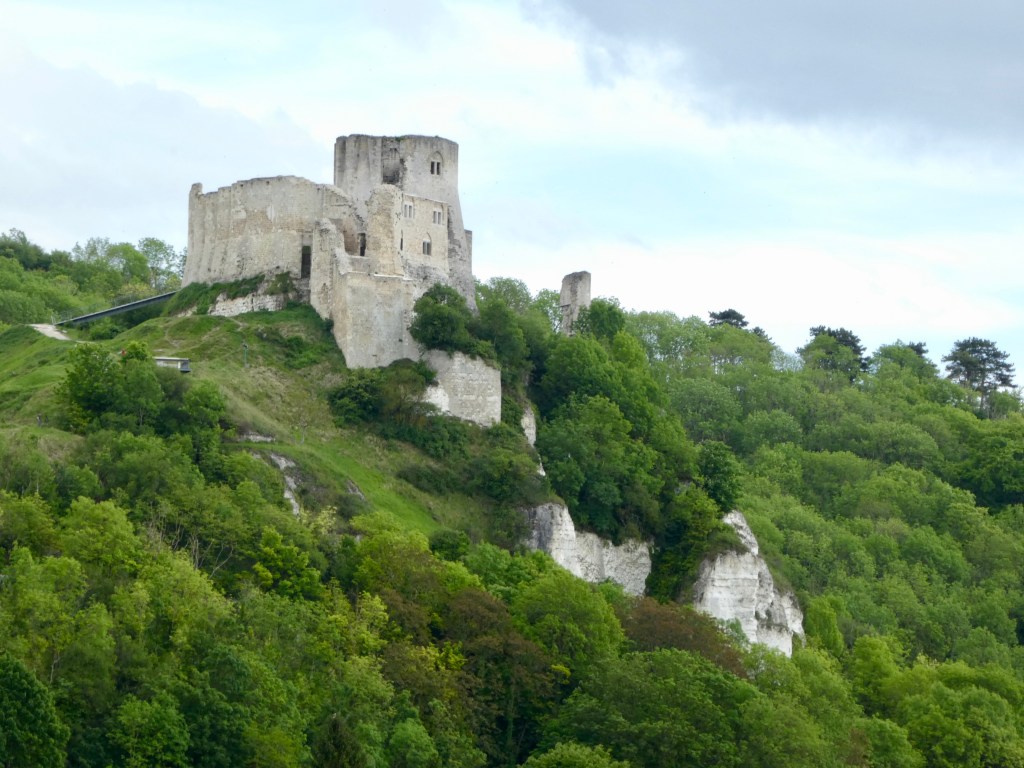
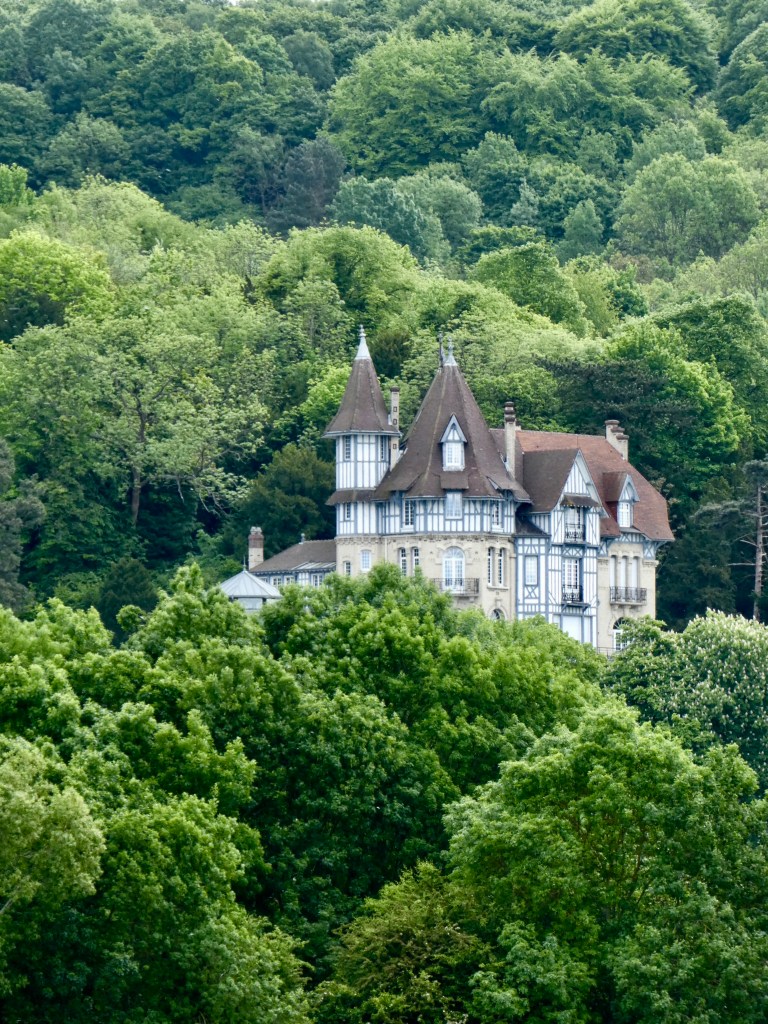
Ancient castles and grandiose mansions fit seamlessly into the landscape.
Lastly, we encountered a number of unusual buildings and homes built into limestone cliffs. Sometimes it was an entire home; others, a garage or shed or just the back face of the building. We understand some of these structures are still inhabited today.
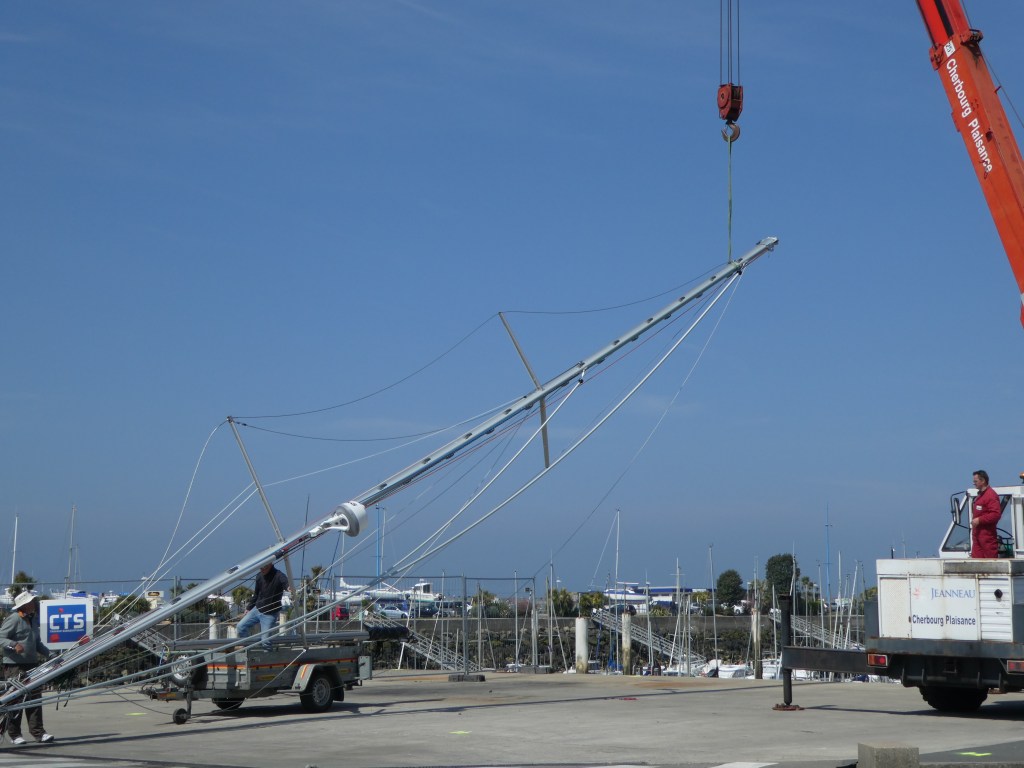
ICE FLOE’s mast was taken down on Wednesday in preparation for a Friday departure from Cherbourg.
We passed on leaving Thursday as the forecast was for unfavorable winds and rain. Friday’s weather forecast was for moderate southwest winds and clear skies. As we were headed northeast and the current in the channel heads east for most of the trip, we were ensured a relatively smooth ride.
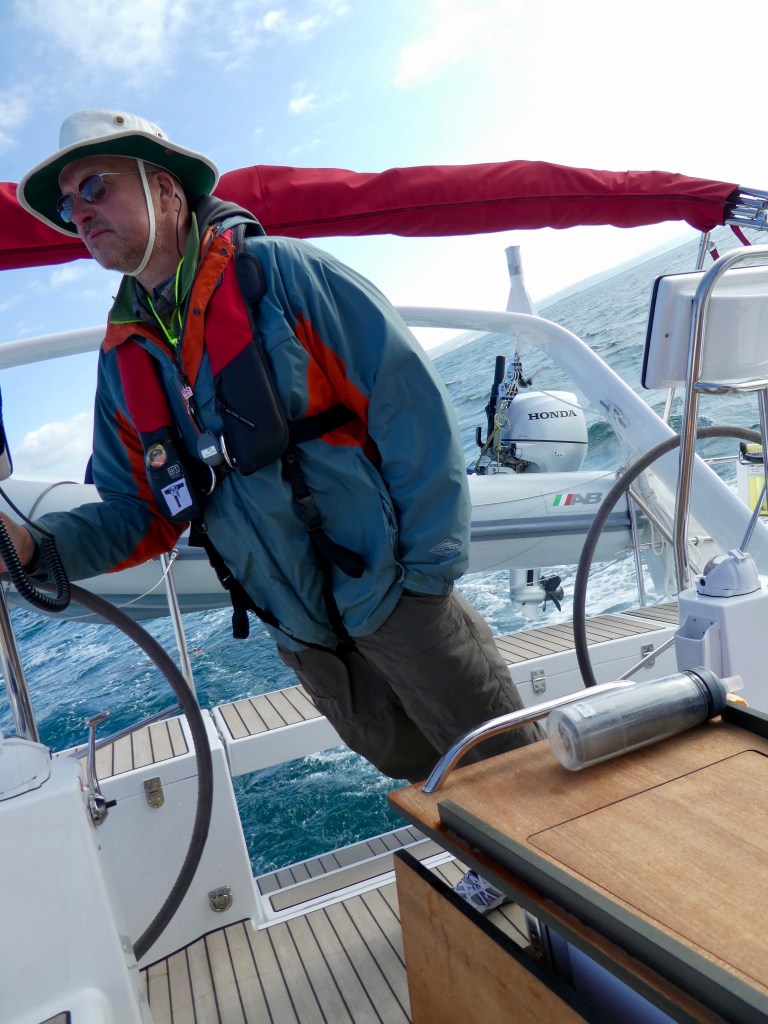
We headed out Friday, but as it turned out the winds never shifted to southwest and it rained off and on. Our first sail in the English Channel was with moderate wind and waves (3-4 feet), However, there was no pattern to the waves and they assailed us from multiple directions. As such, waves periodically merged with one or more waves and we had an exceedingly topsy turvy ride about 12 hours long. I recently boasted that I never get seasick, but after one trip to the cabin brought on an unpleasant queasiness, we remained topside for the balance of the day, with short exceptions for a quick trip to the head and to retrieve a baguette and butter for lunch.
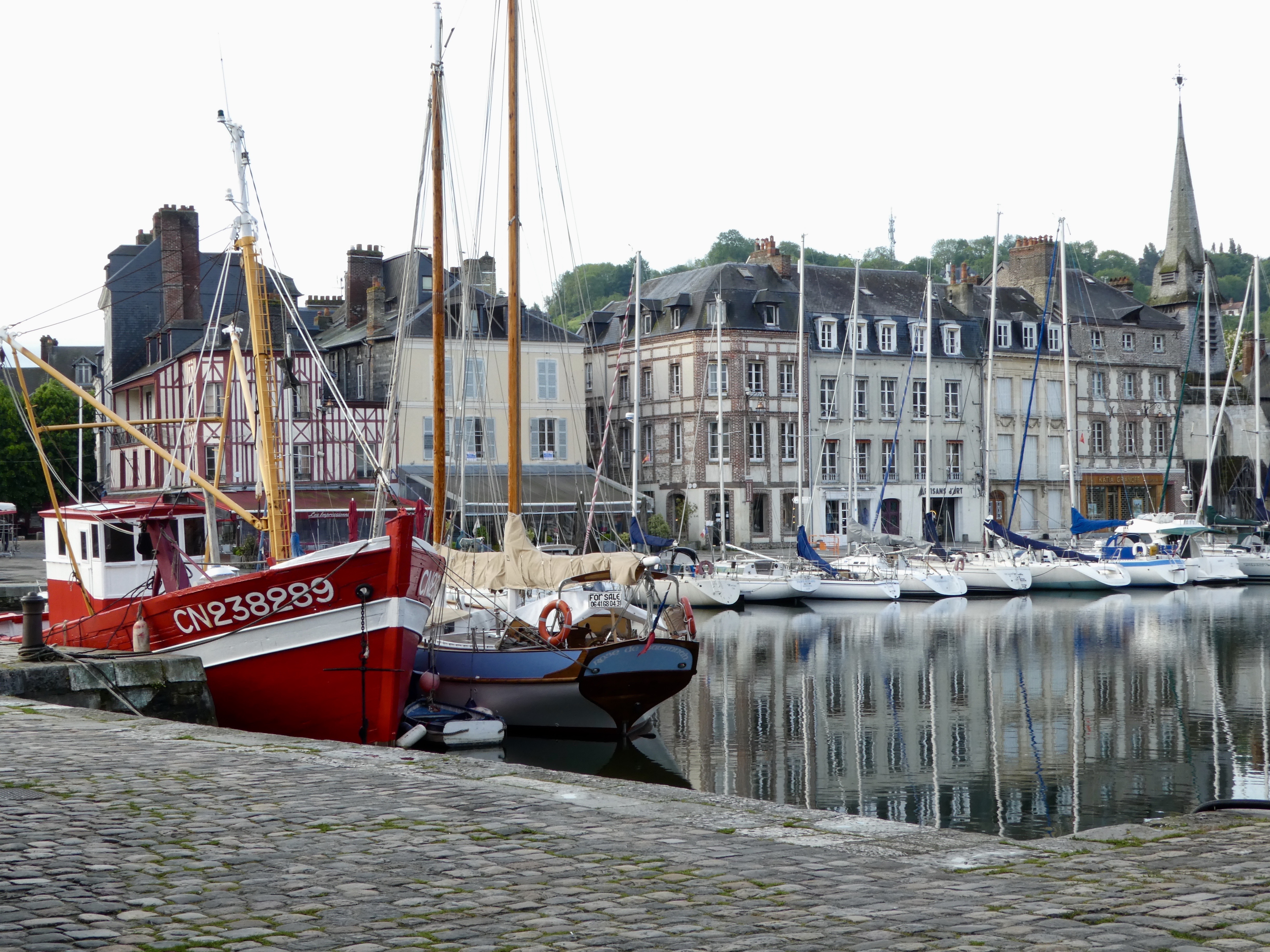
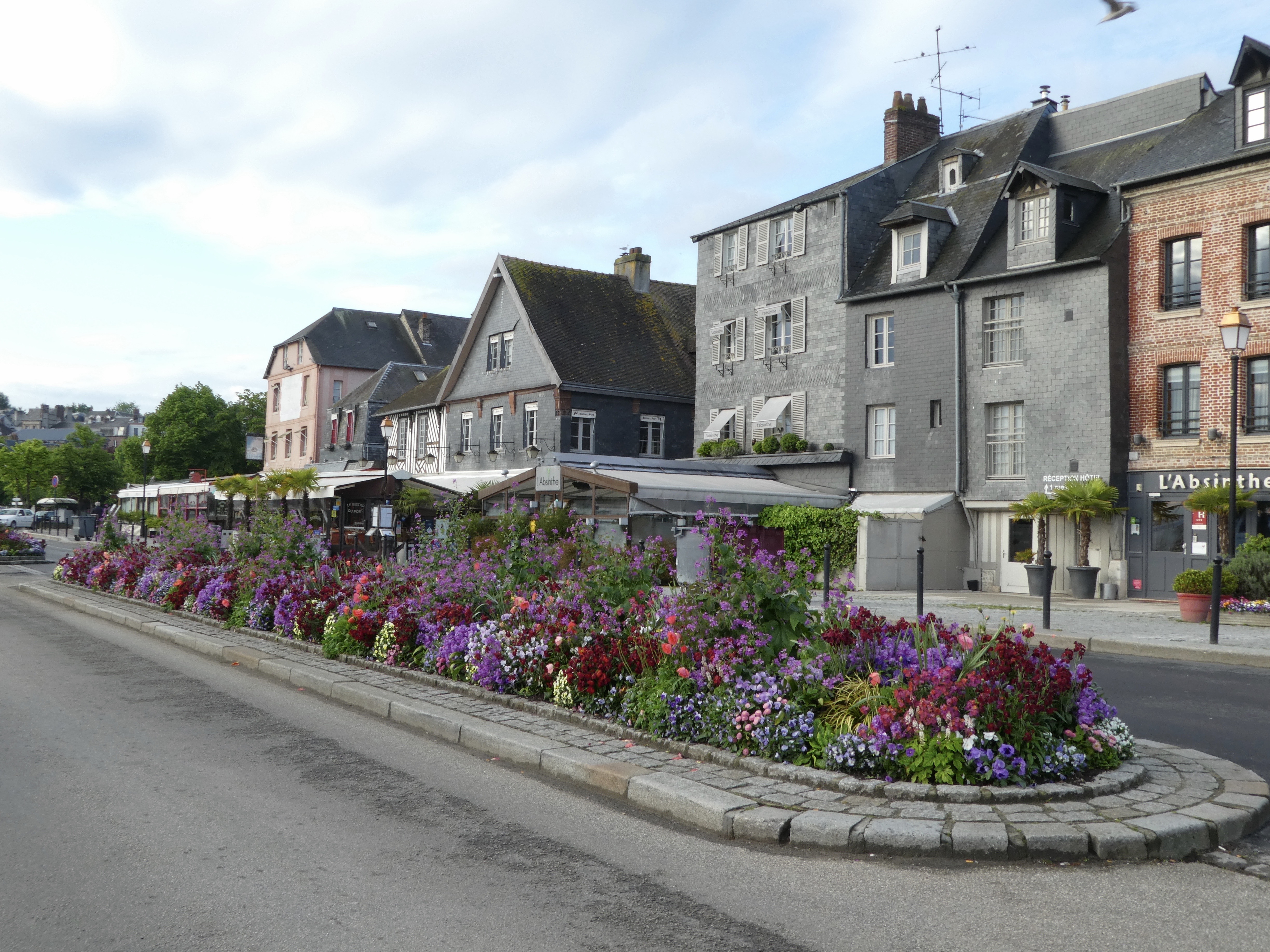
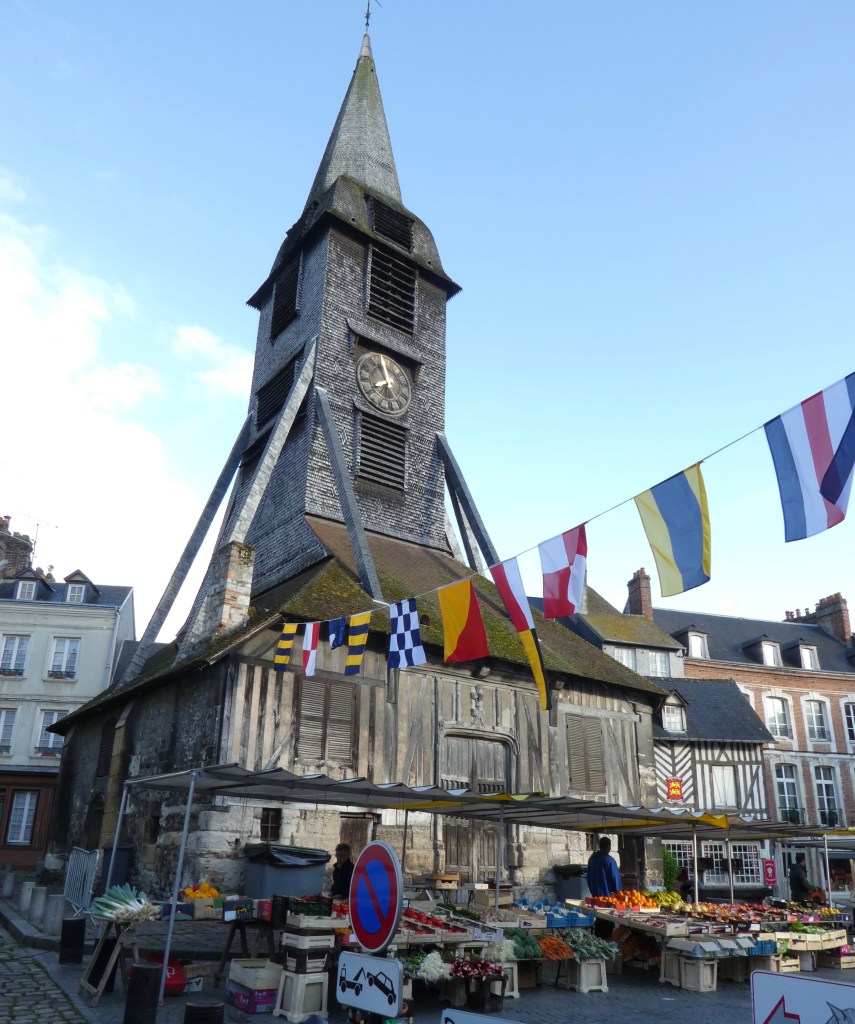
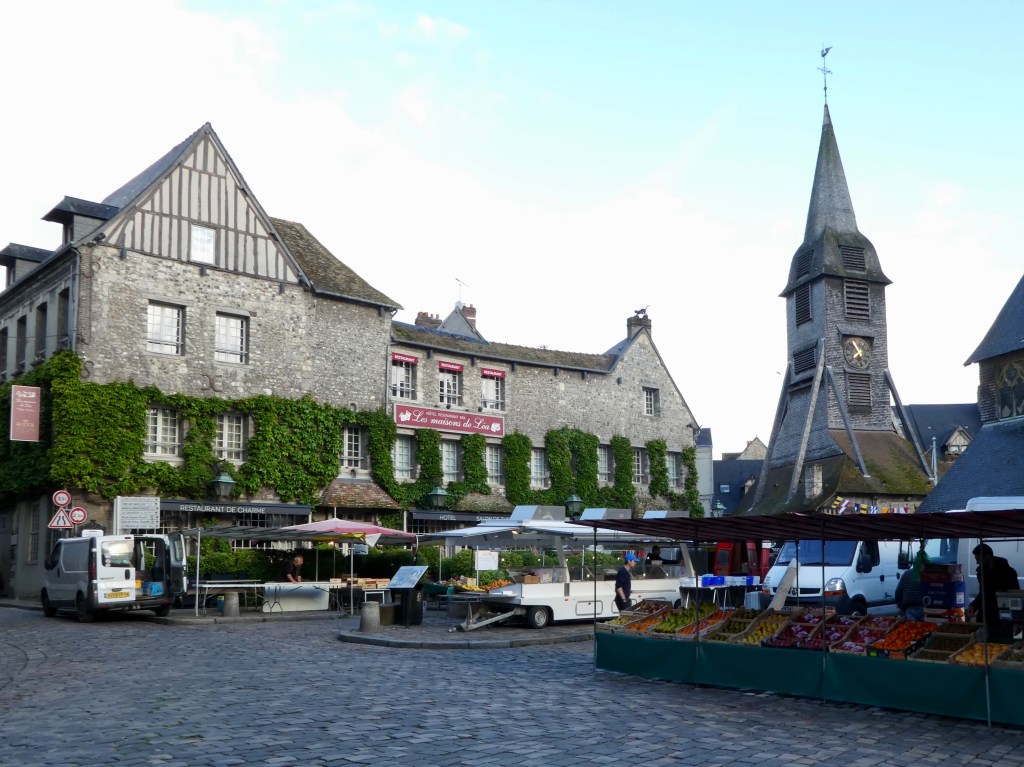
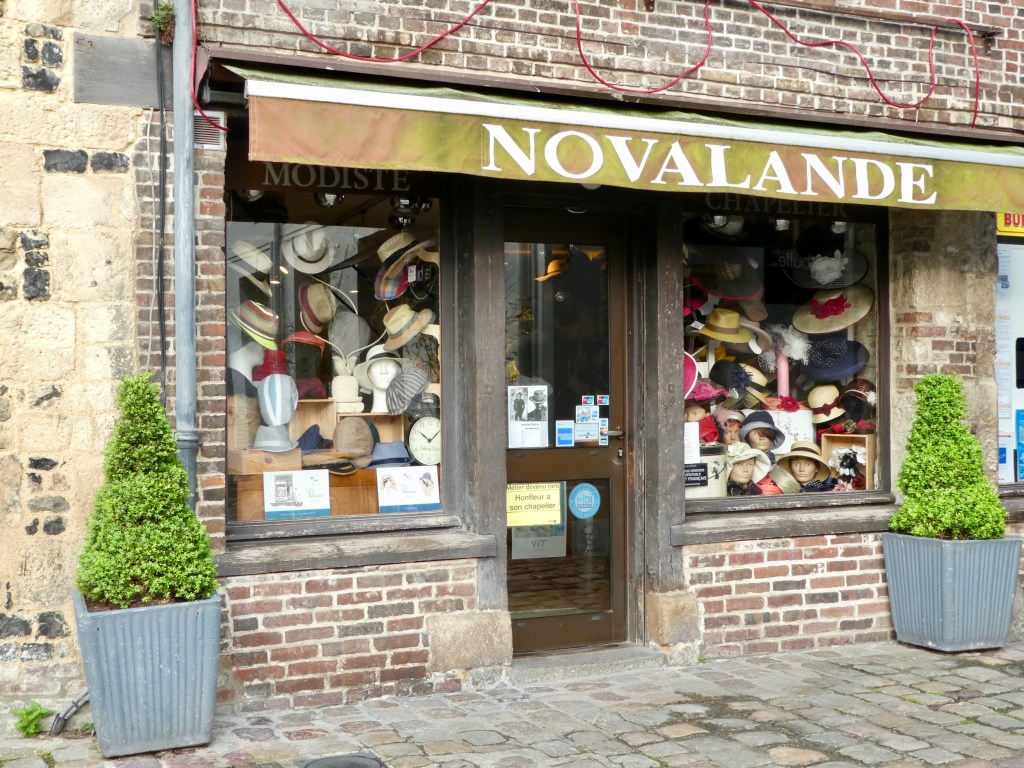
A kind gentleman in Cherbourg suggested we enter the Seine through the port of the ancient town of Honfleur. It is difficult to describe how such a town seems to welcome you with its beauty, vitality and feeling of peace. We tore ourselves away after a short memorable visit on Saturday morning as the village woke up in preparation for market day.
Our departure could not be delayed as the 24+ foot tide in the channel was near low and current created as the tide turns at the mouth of the Seine can either swiftly speed you on your journey to Rouen or reject you to wait for a more favorable tide.
The weekend was devoted primarily to sailing and completing the last tasks we needed a car for. We enjoyed some of the best weather and sailing conditions and wished for more time to sail before we had to move on.
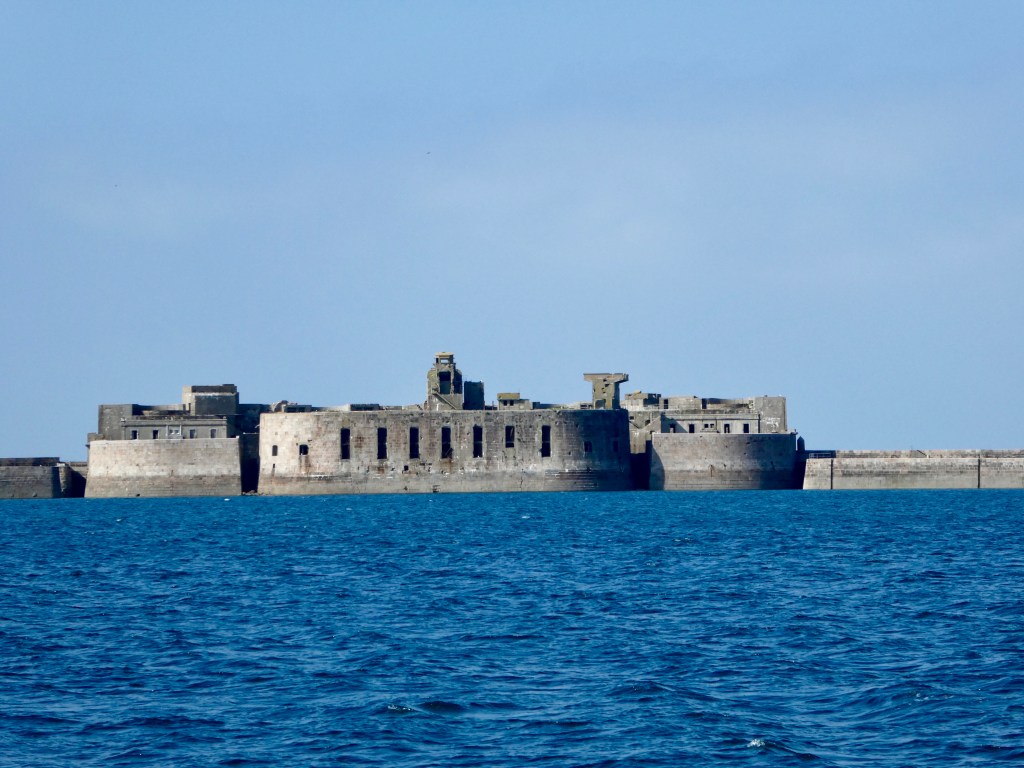
Fort in Cherbourg Harbor built in 1858
I tried my hand at fishing with no luck. The Channel is said to be quite fished out but you can’t catch a fish if you’re not fishing.
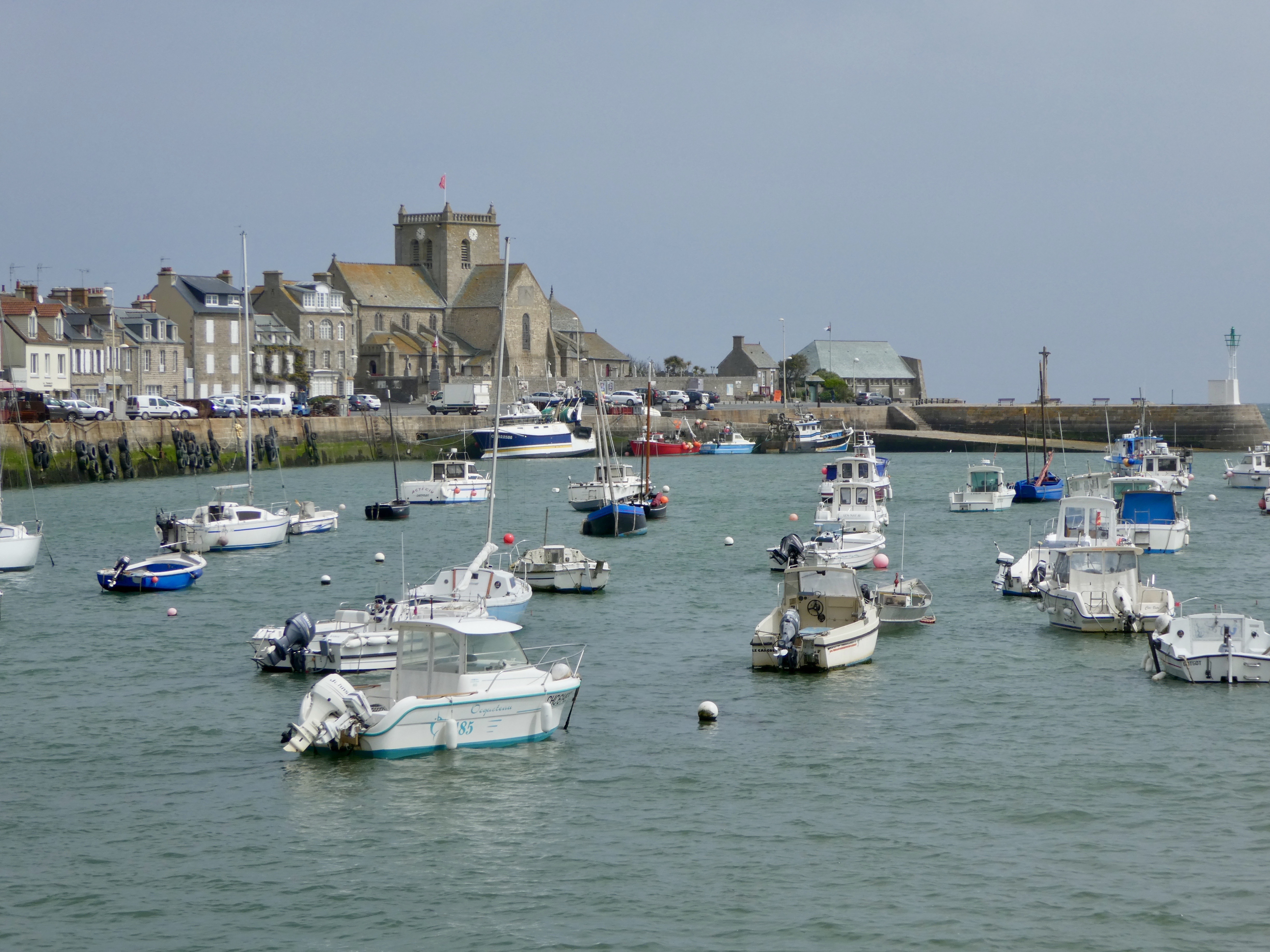
On Monday, just before we returned the car, we visited Barfleur, a seaside town reputed to be one of the loveliest in the area. It is absolutely charming, from the harbor, to the homes, and the village atmosphere.
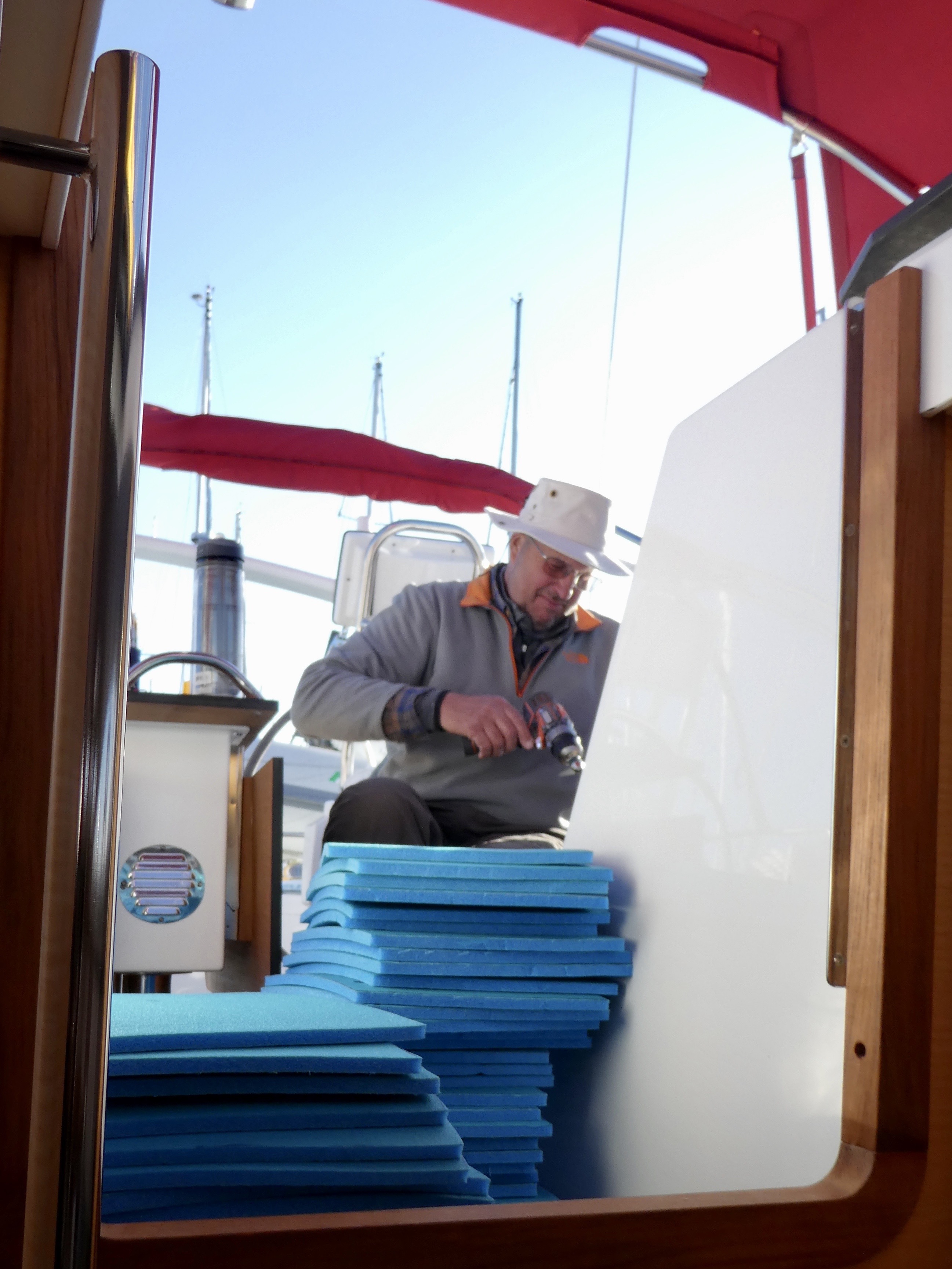
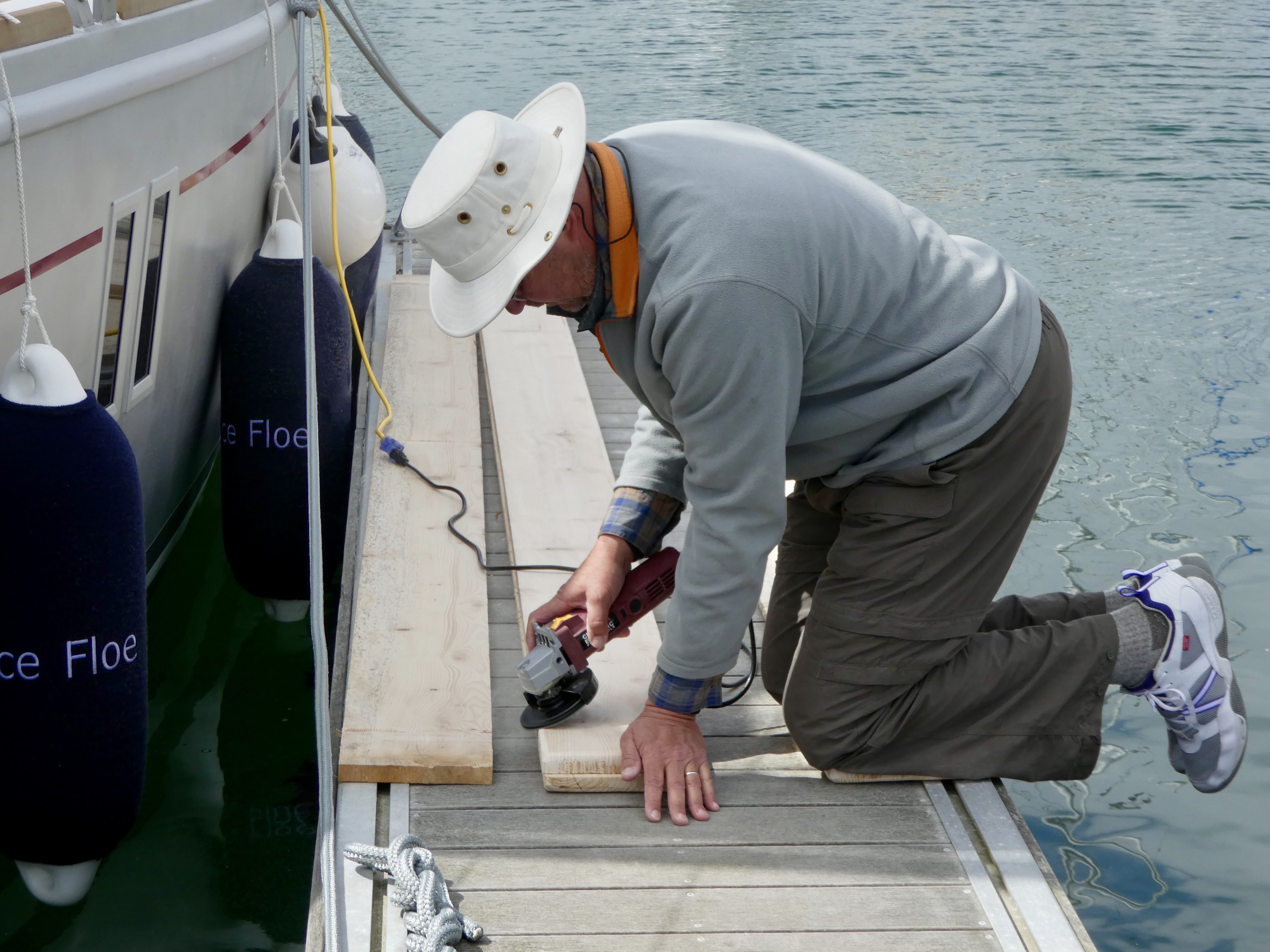
George assembled long fender boards to protect ICE FLOE from the many locks and docks on the trip through France and a voice from the future is here to tell you we really needed them.
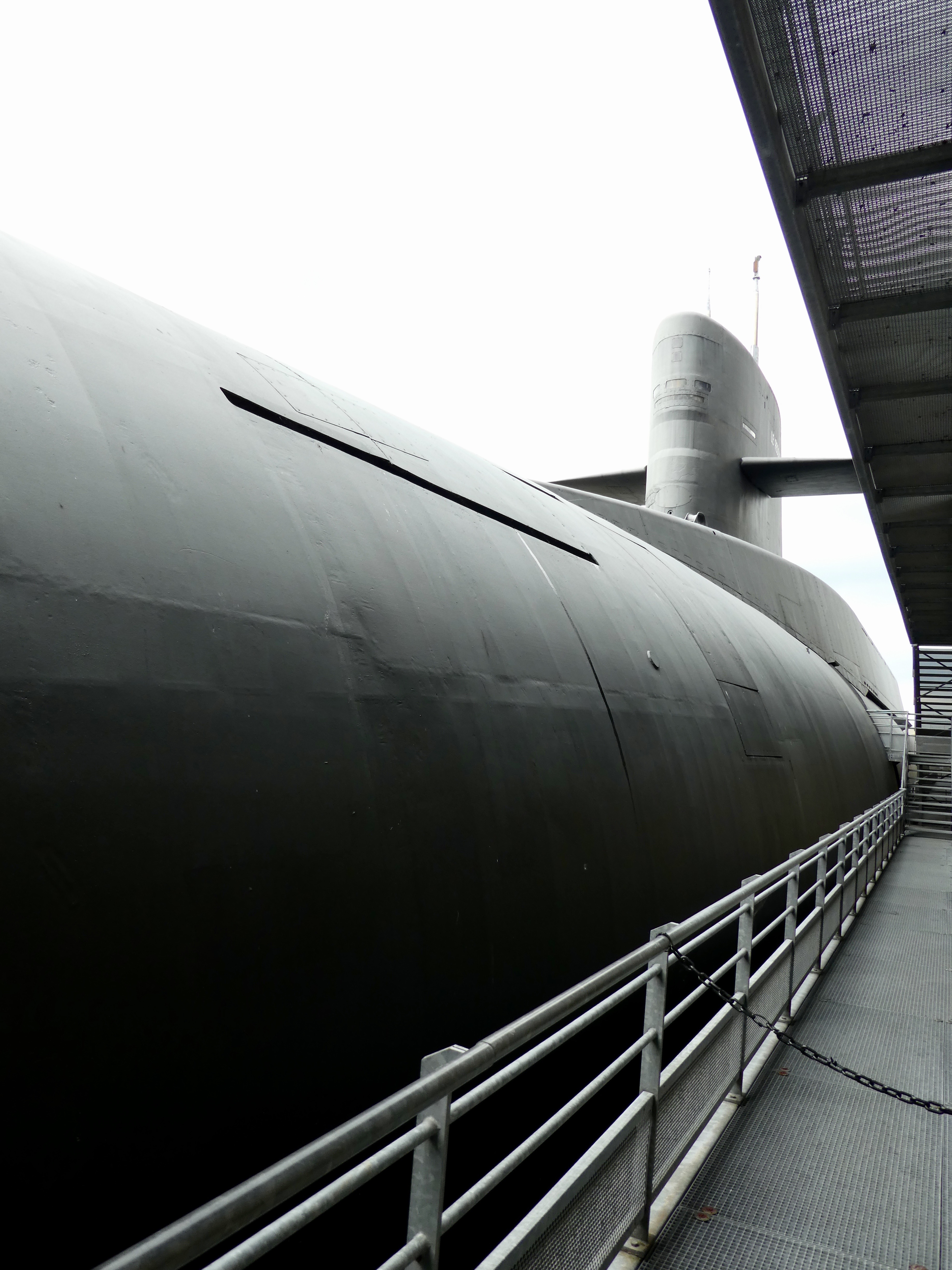
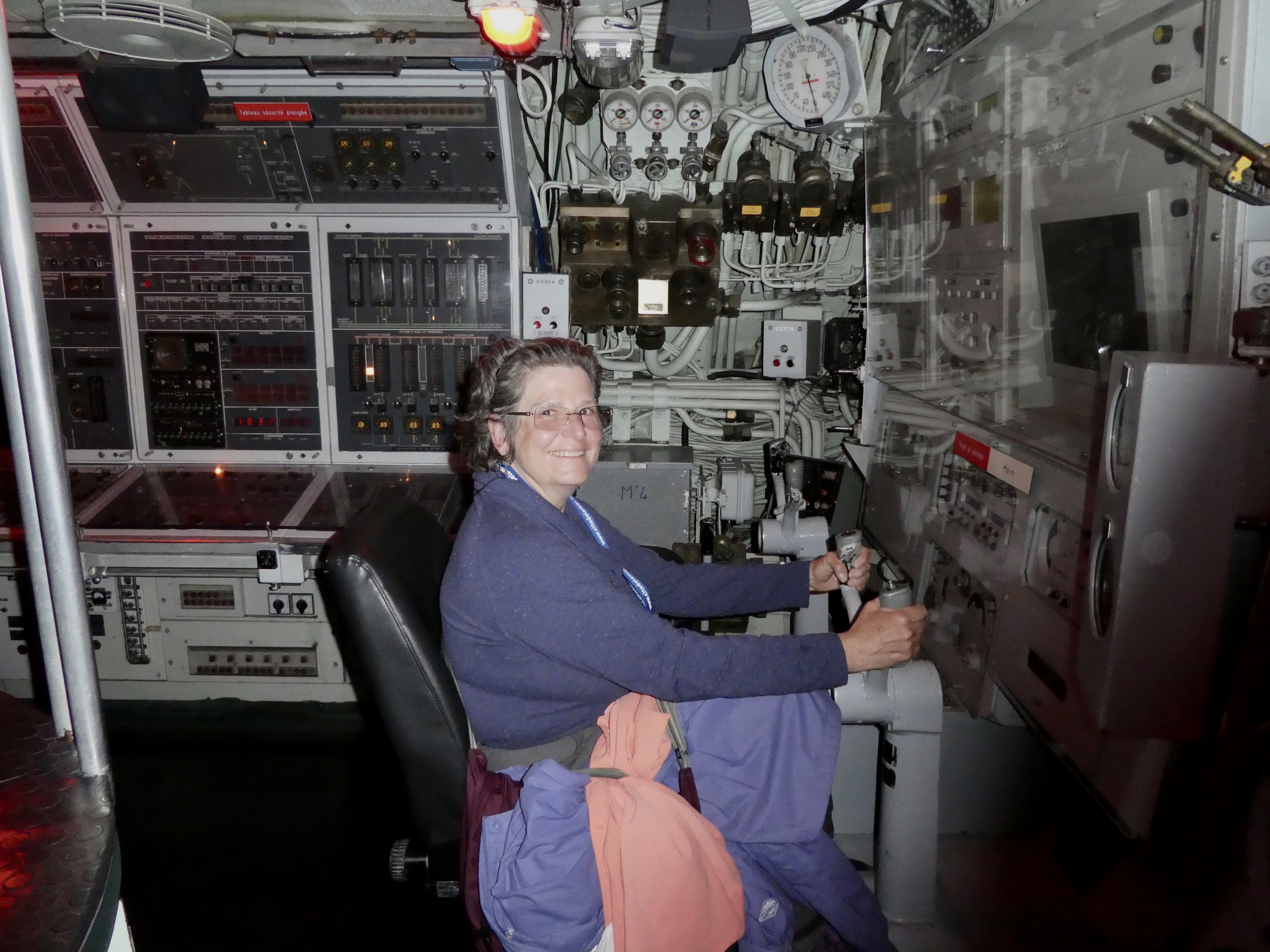
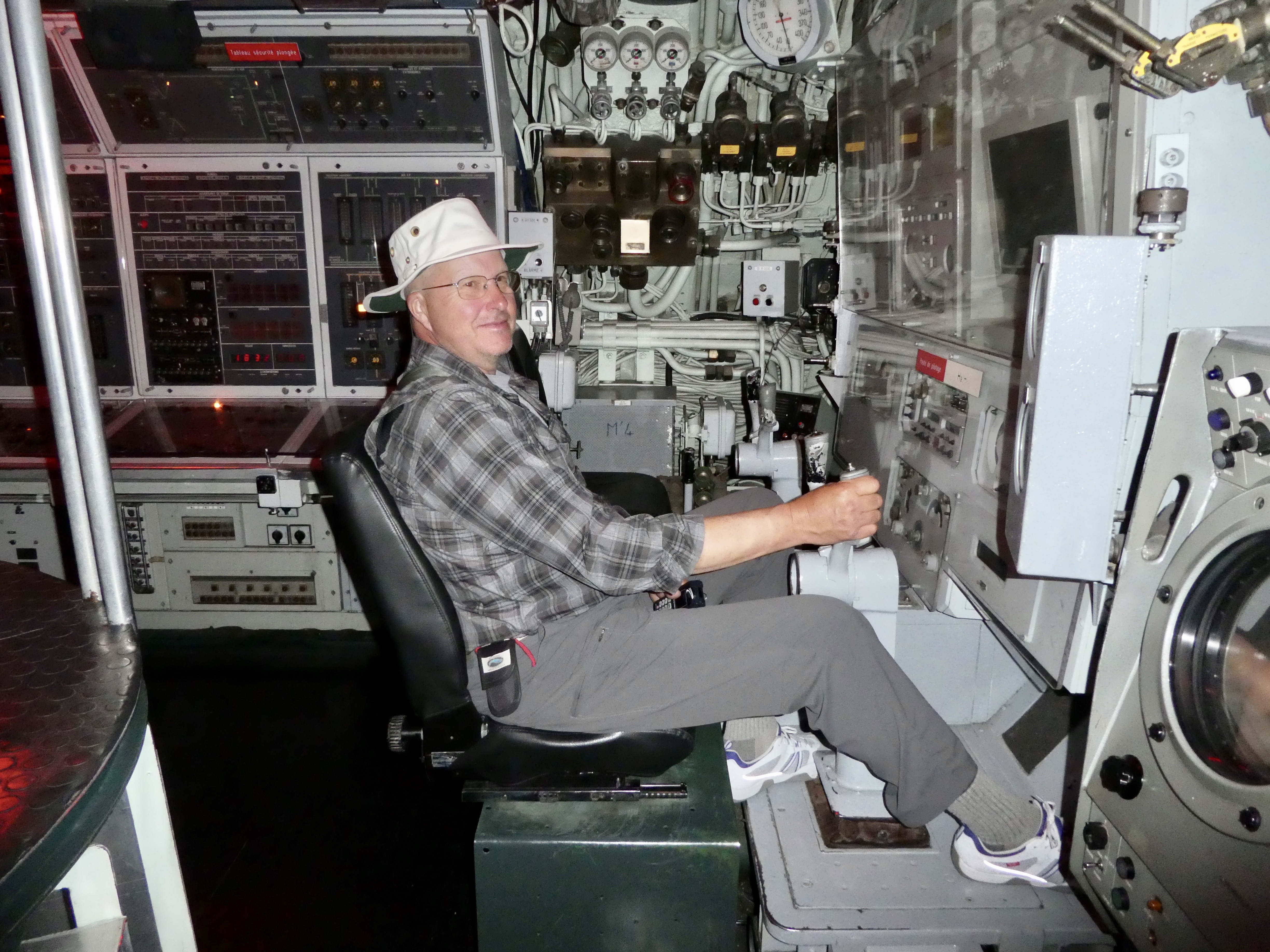
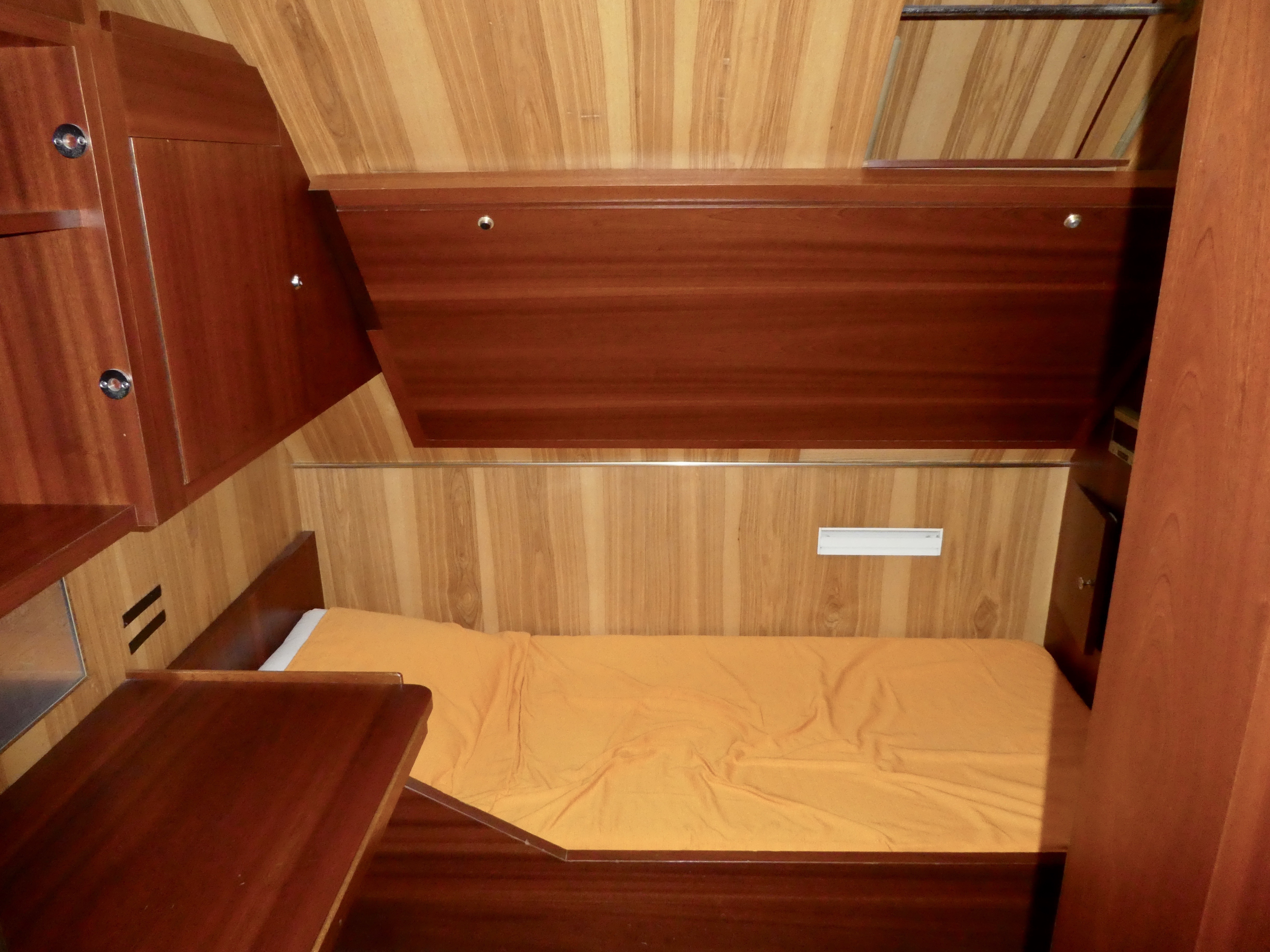
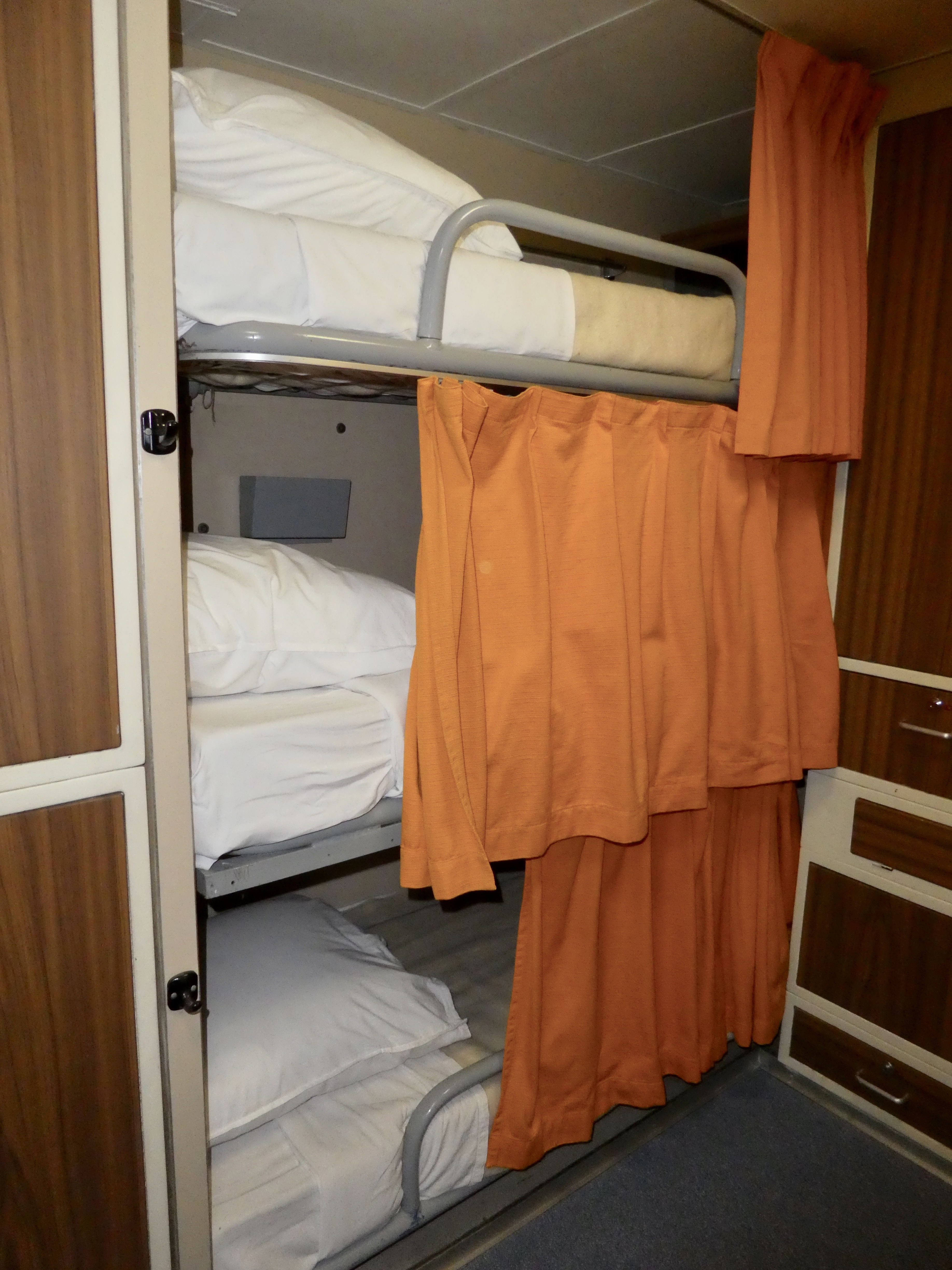
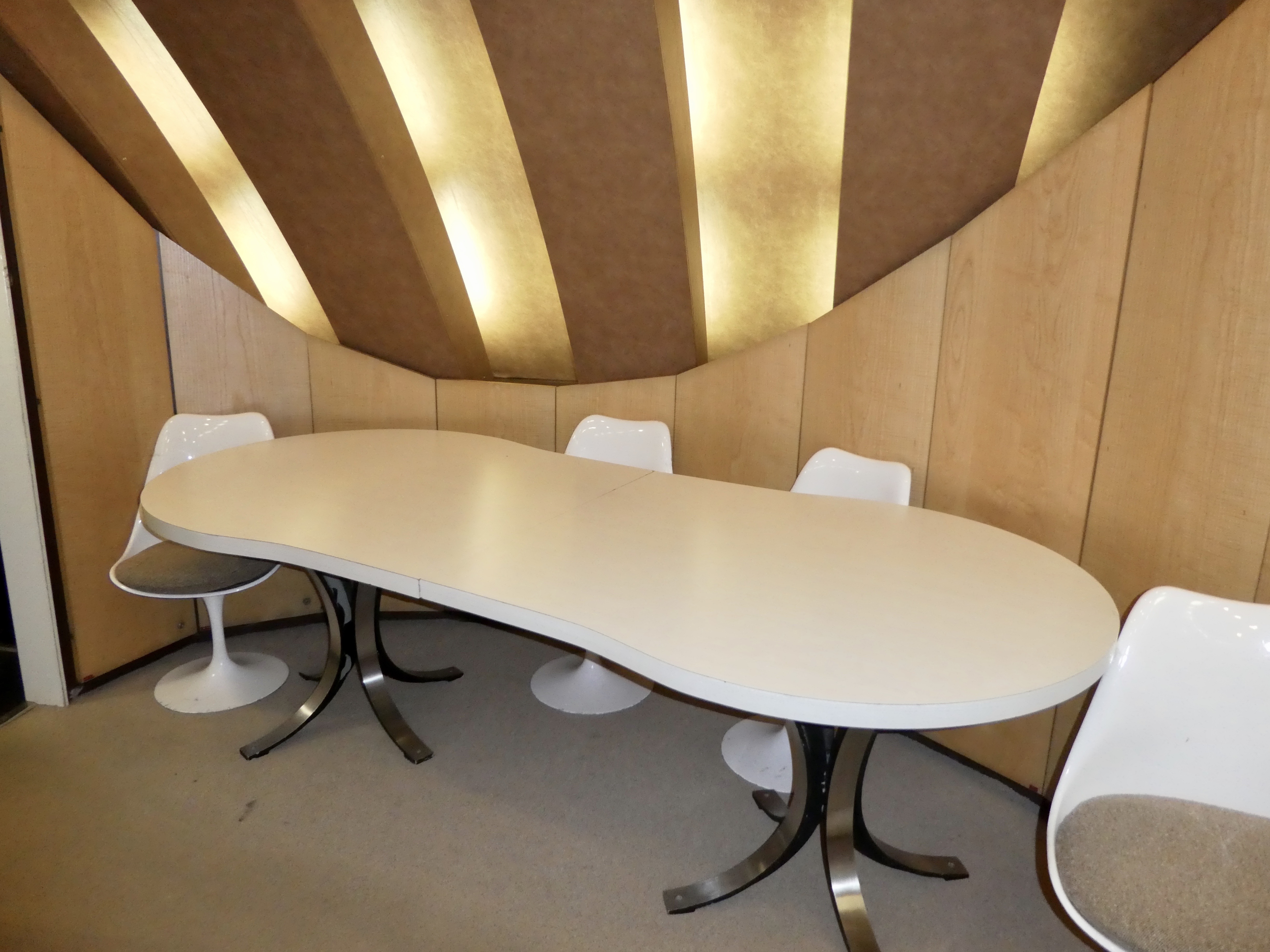
On Tuesday, we visited Cité de la Mer, a museum combining exhibits of historical events and artifacts relating to underwater exploration, the Titanic (Cherbourg was the last port visited by the Titanic before it sank), and sea life. This included a tour through a submarine that was fascinating.
Top left moving clockwise: Submarine, me and George at the helm, Captain’s quarters, Captains Dining / Meeting area, enlisted men’s sleeping quarters.
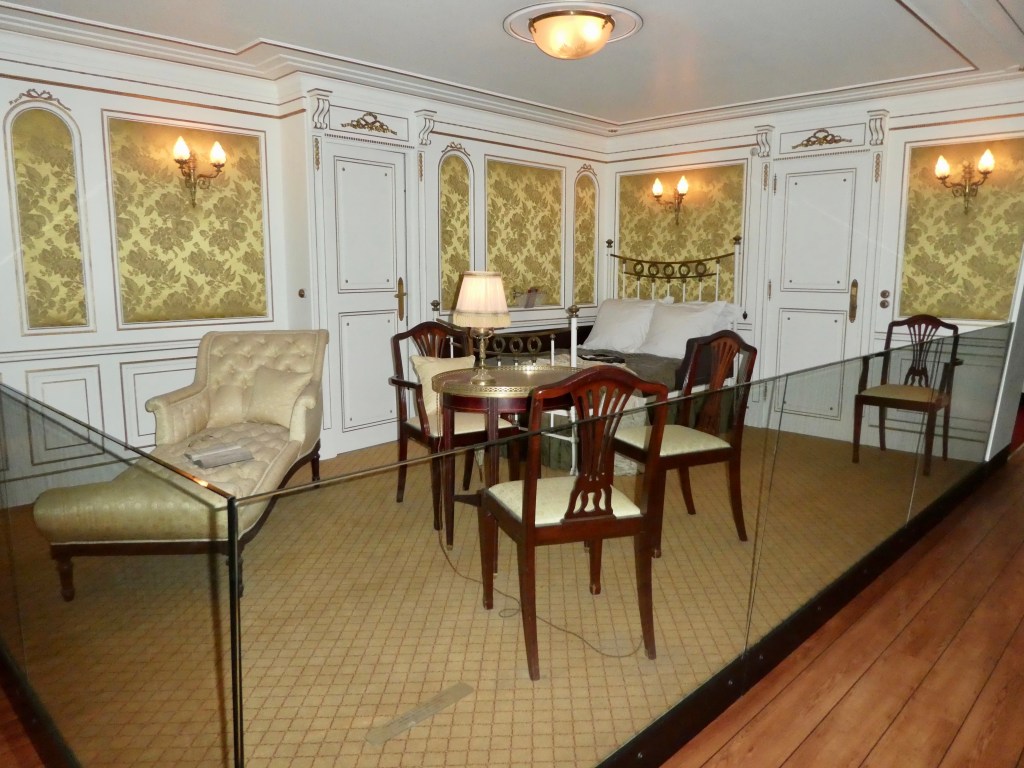
There are few artifacts from the Titanic, if any. Much of the exhibit consisted of reproductions of portions of the ship. Below, a reproduction of a first class cabin brings to light the luxury provided to those who could afford it.
We found it surprising that such a luxury cruise ship also provided accommodations for immigrants, as well. In addition, there were many photographs of passengers that were taken before the tragic sinking or were possessions of a survivor.
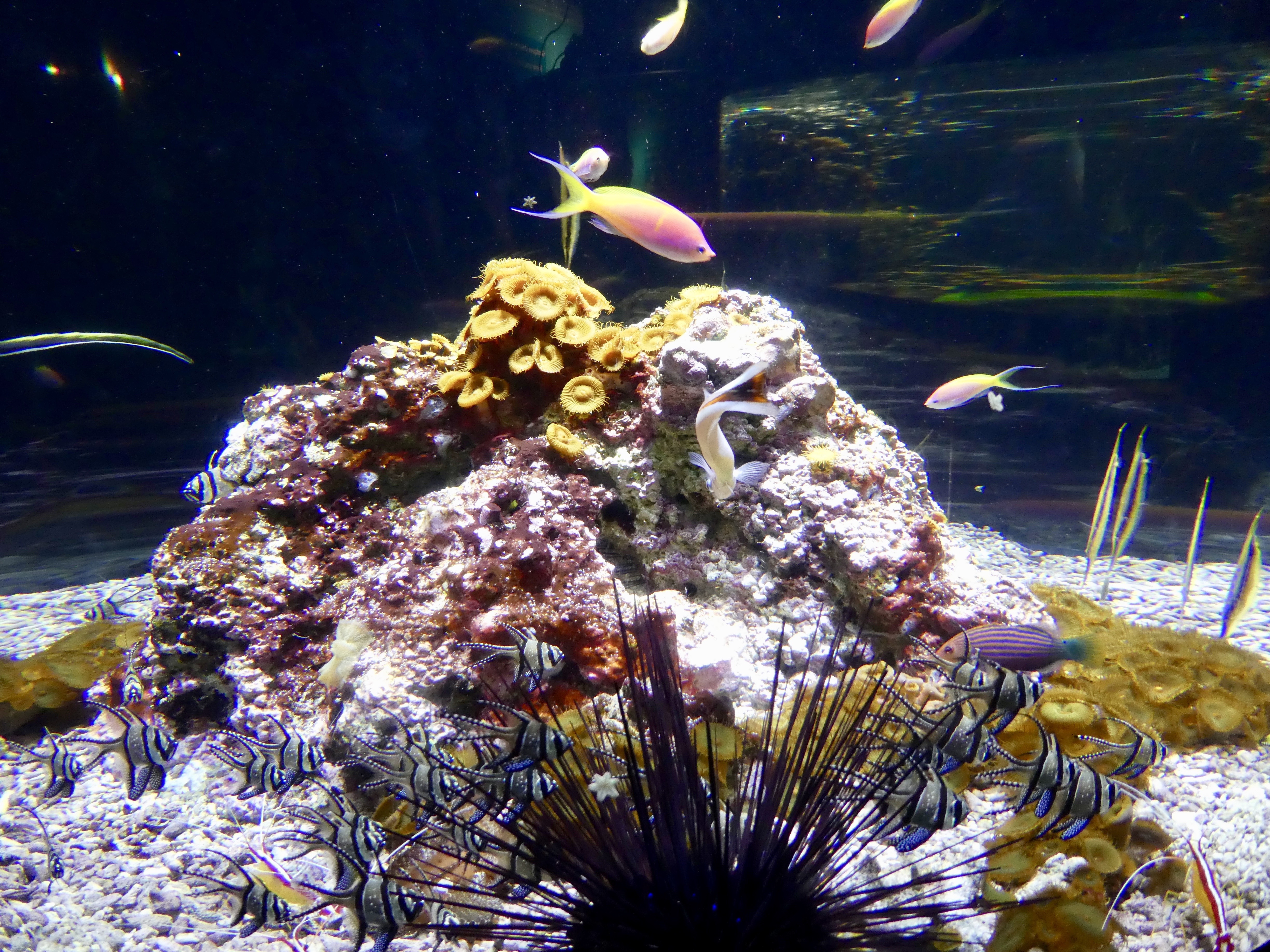
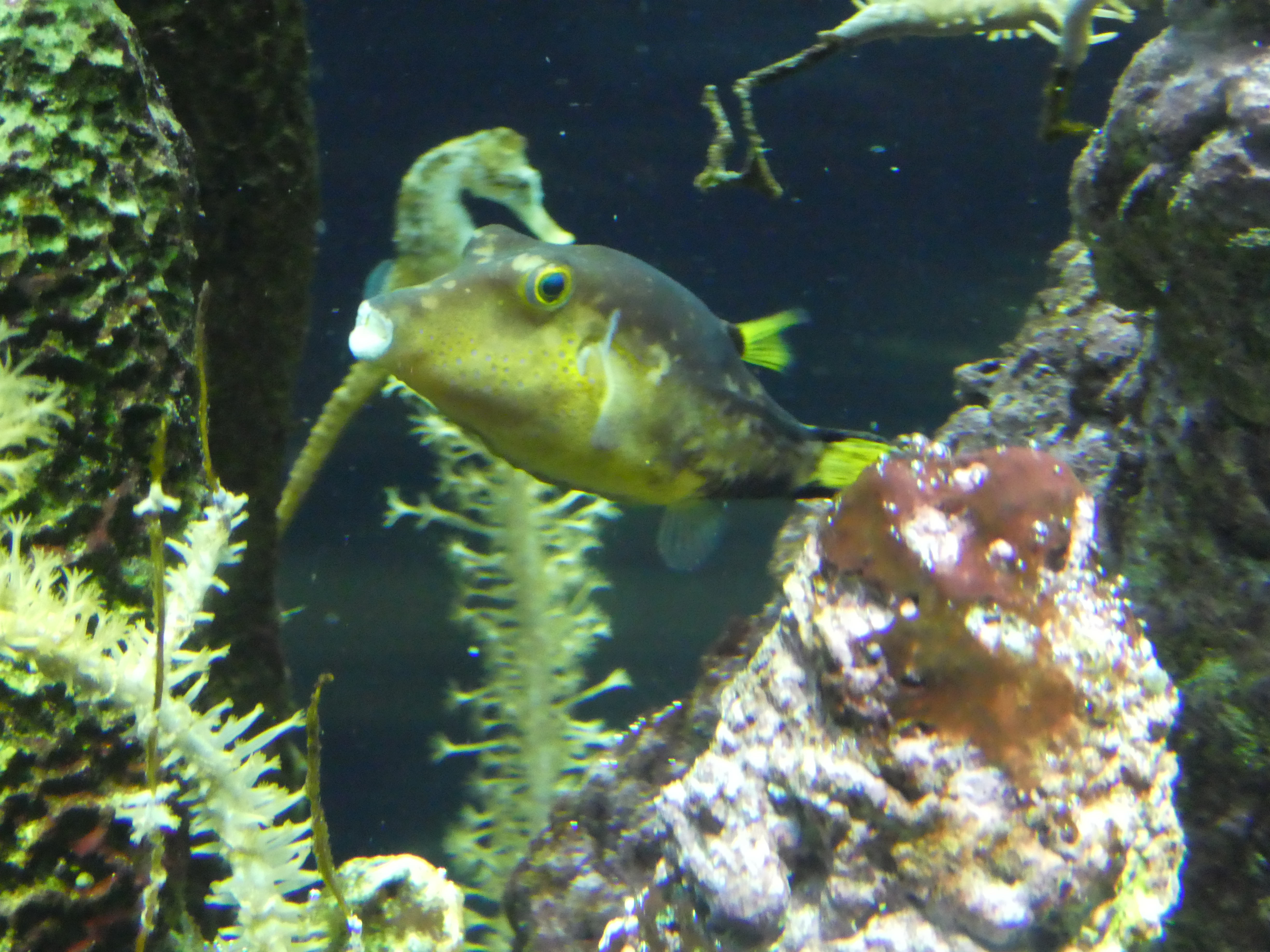
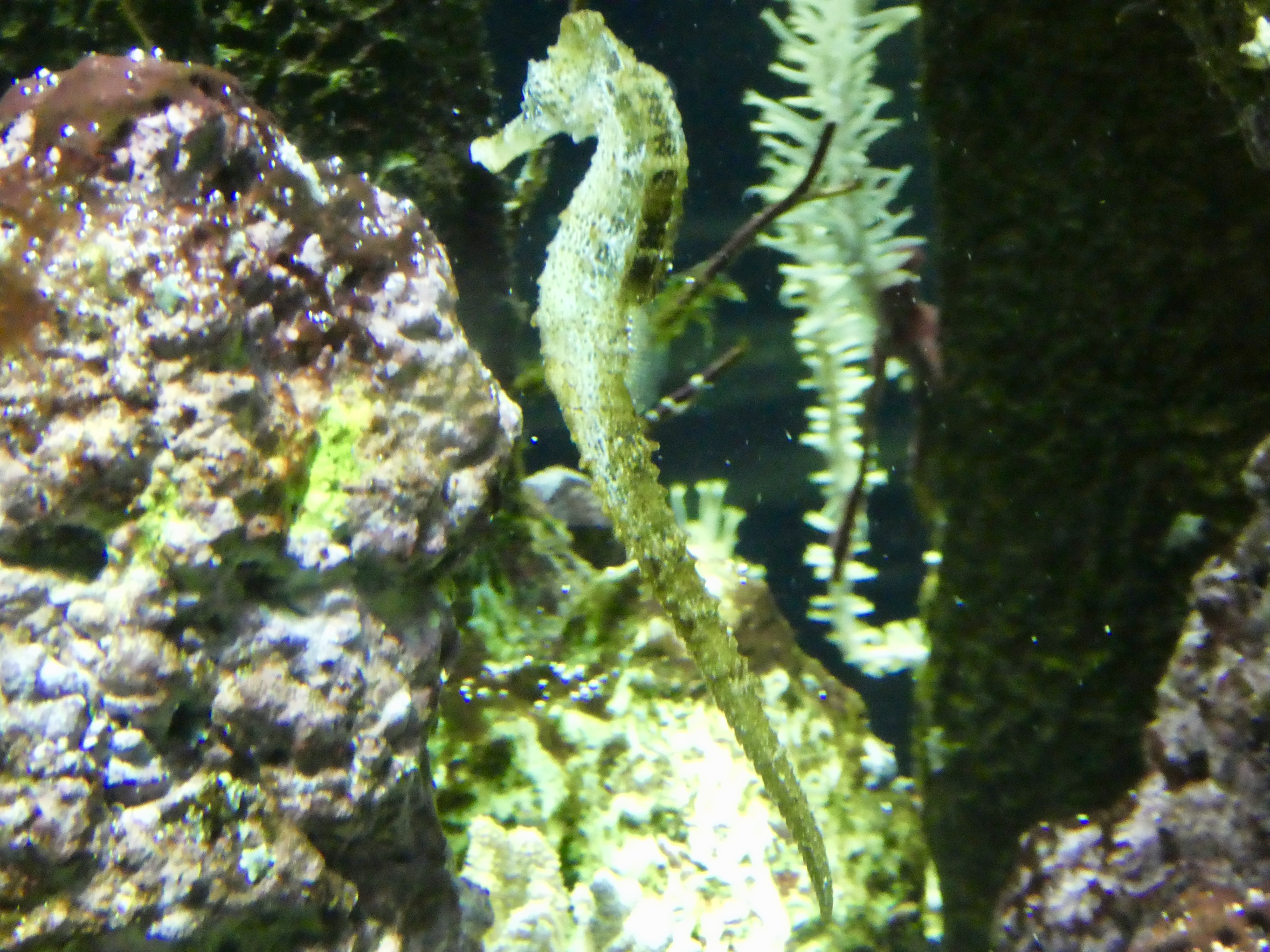
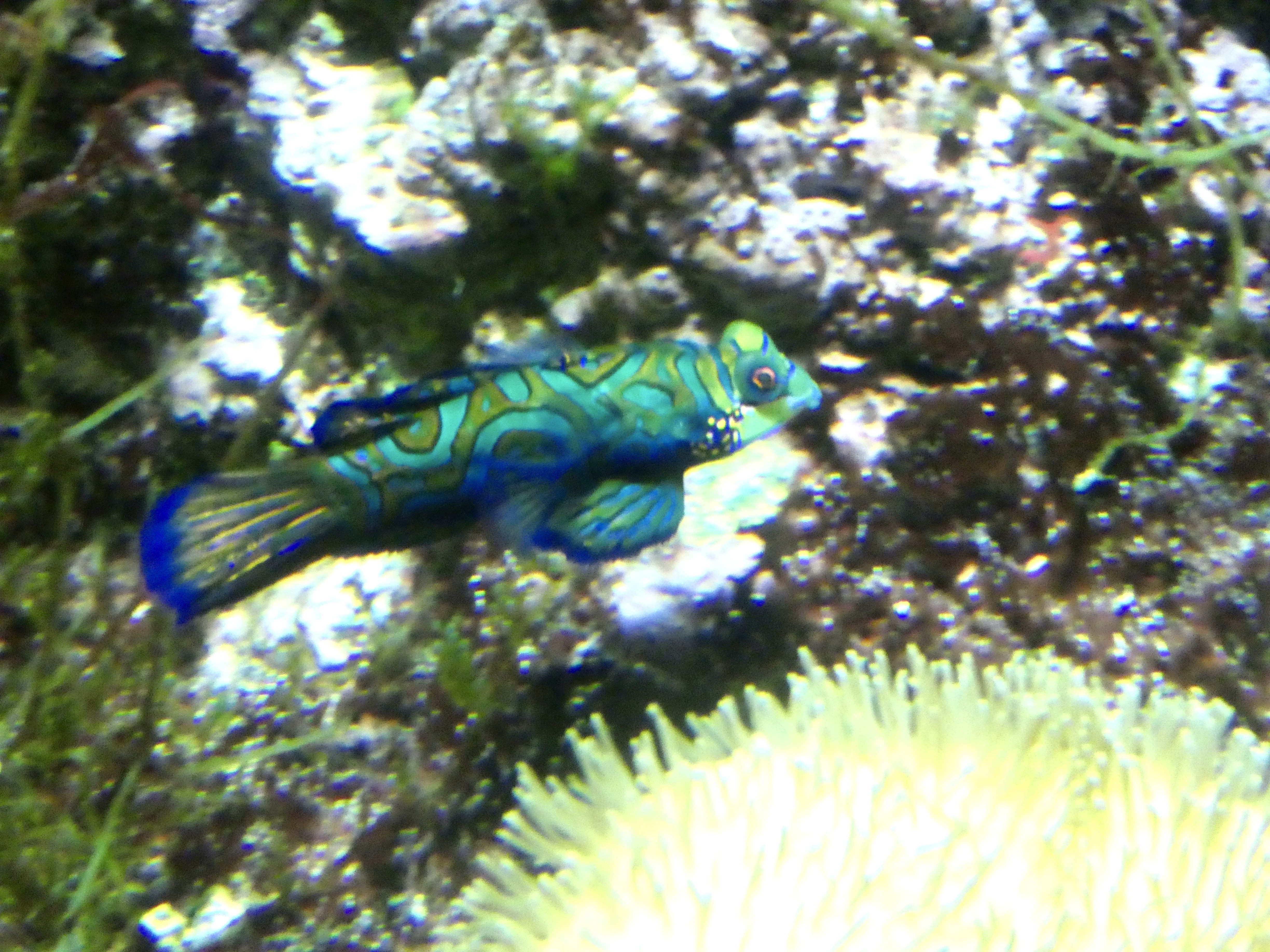
The displays of marine life wee individuals small habitats. Despite the many exceptional aquariums we have enjoyed, we found each habitat to be fascinating and unique.

 Go With The Floe