Sycamore Trees of France

History

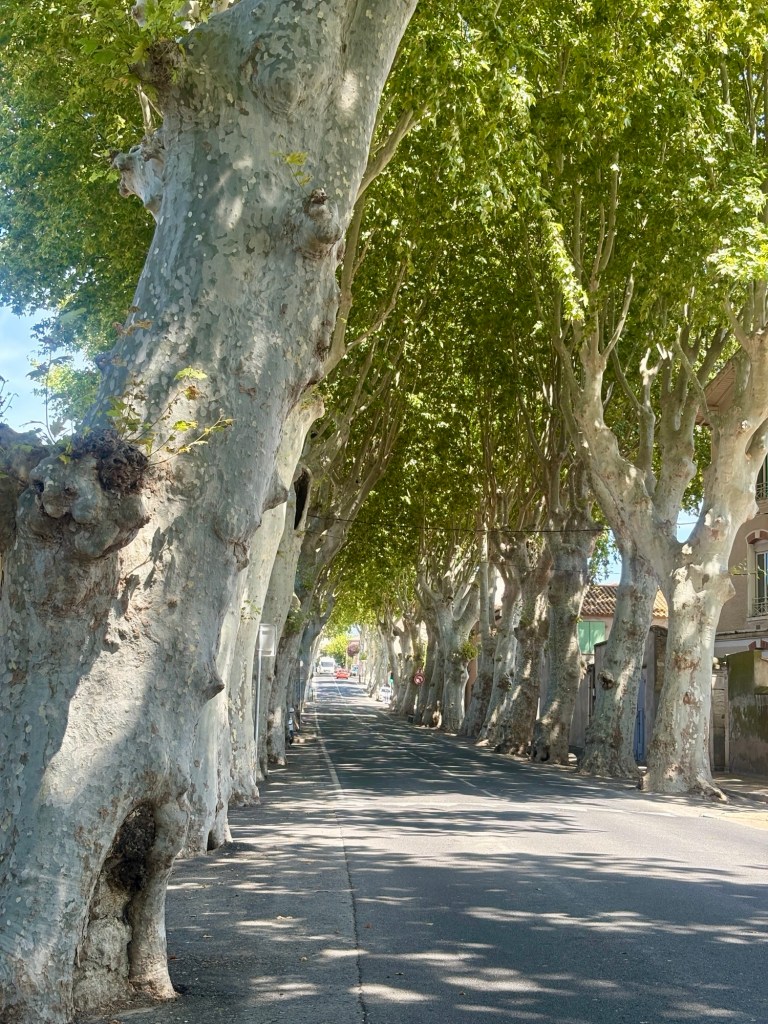
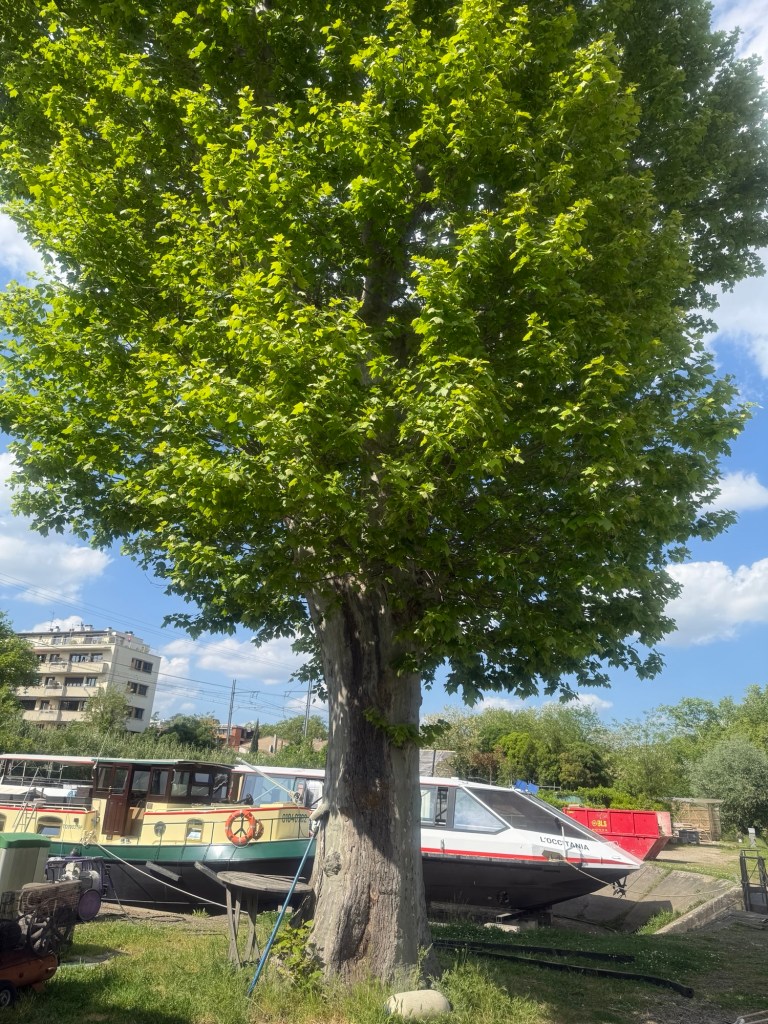
In 1805 Napoleon Bonaparte decreed trees be planted along roadsides in France and other domains within his empire to provide shade to troops and other travelers. Many different species of trees were planted and large, tree-lined roads remain a characteristic feature in France to this day. Long rows of similar-sized Sycamores are one of the most prevalent species we see in our travels.

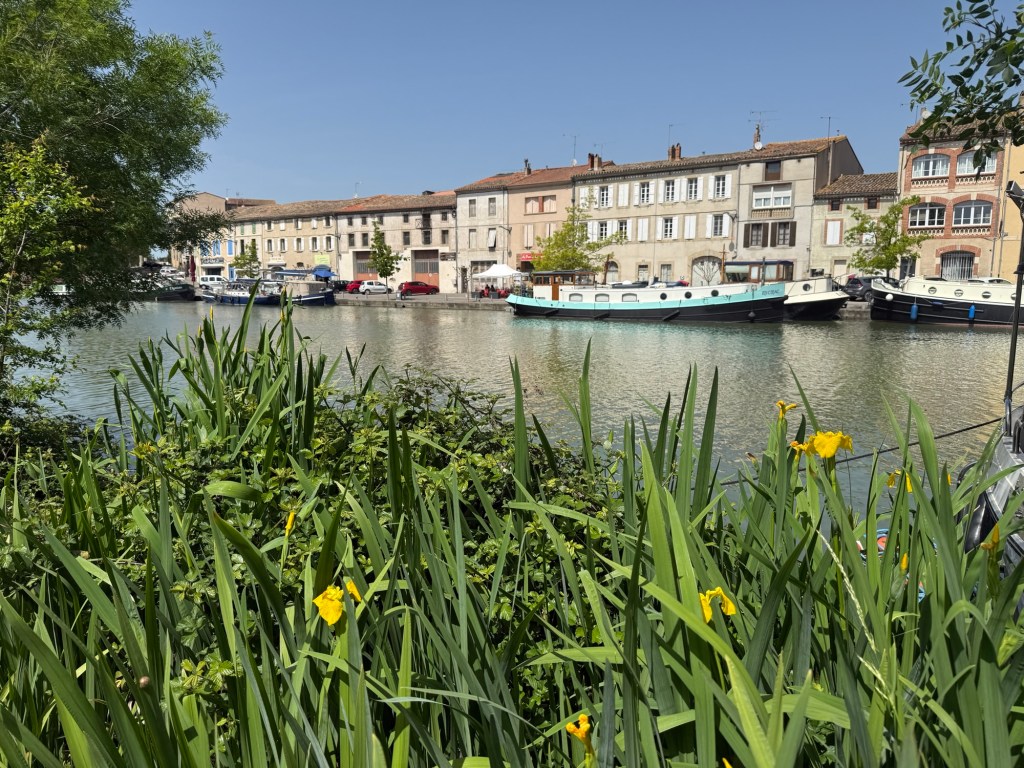
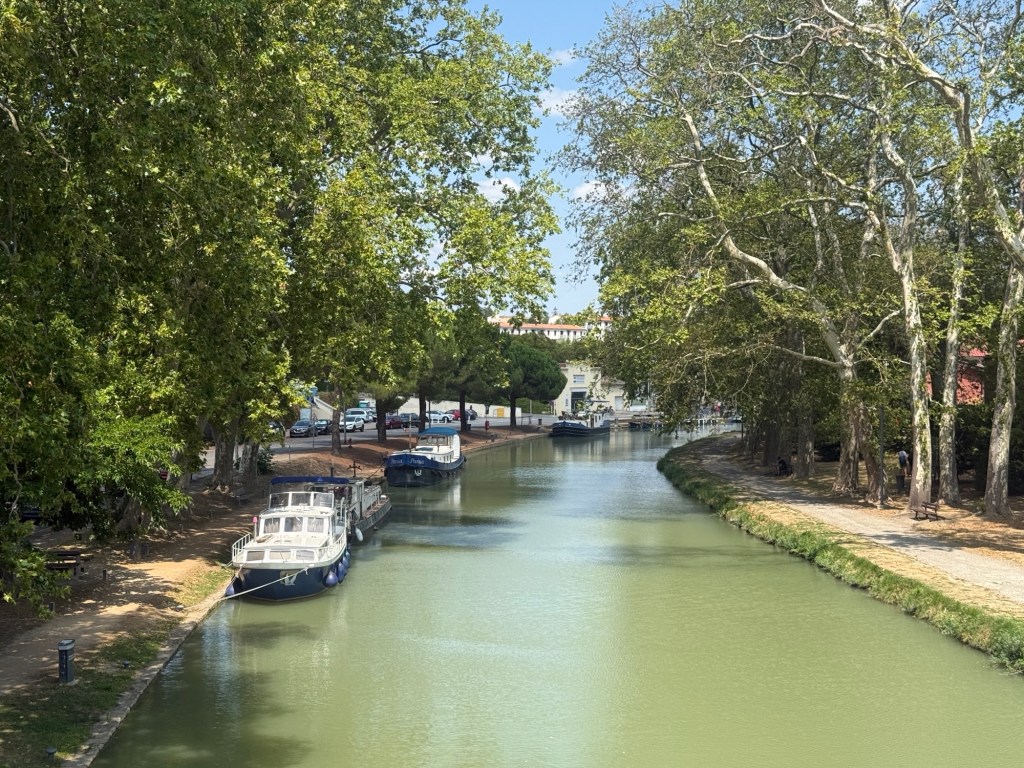
Sycamore trees of a similar age, size, and pruning style line both sides of the street in Castelnaudary, France
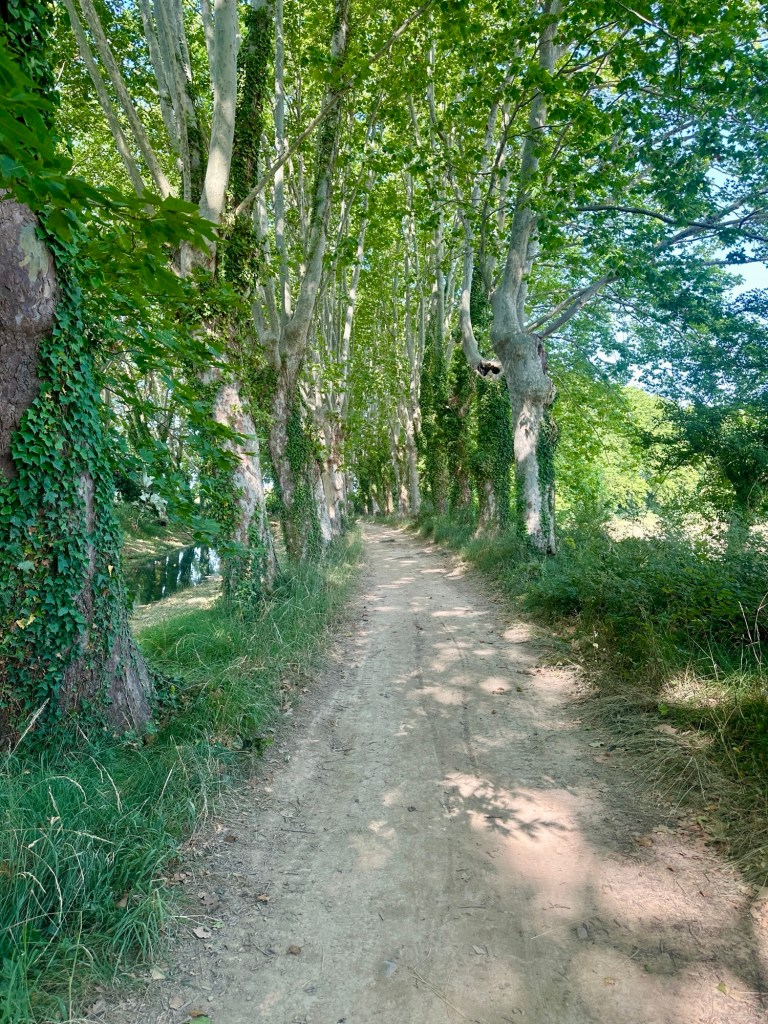
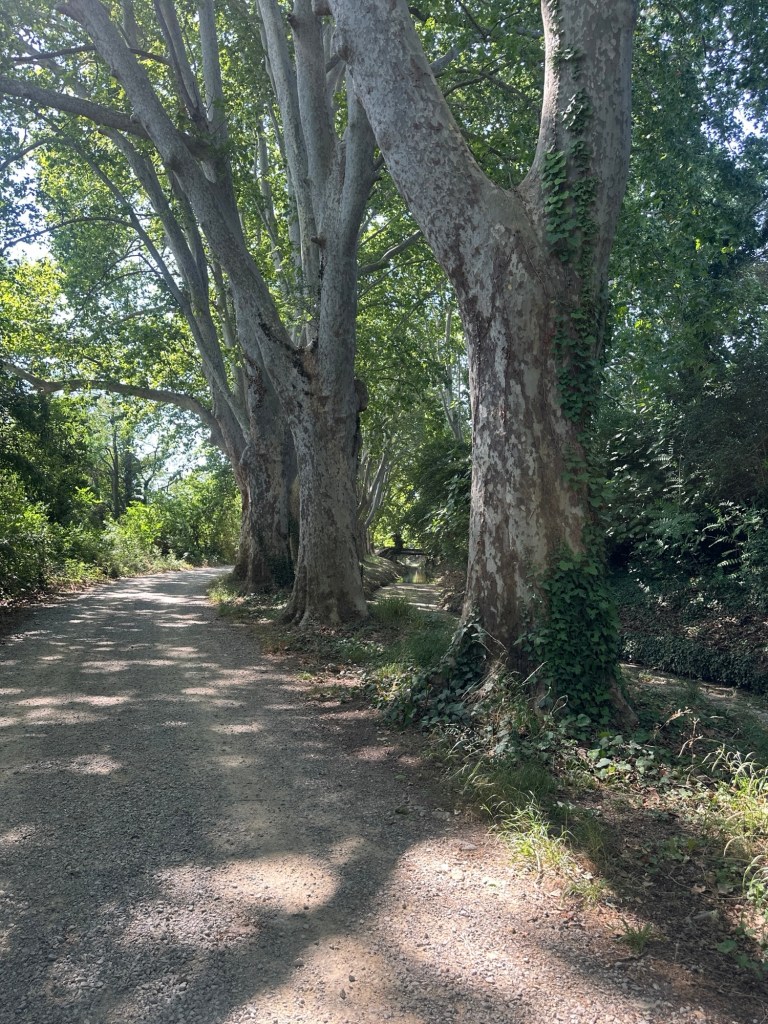
Sycamores along the footpath beside a tributary leading to
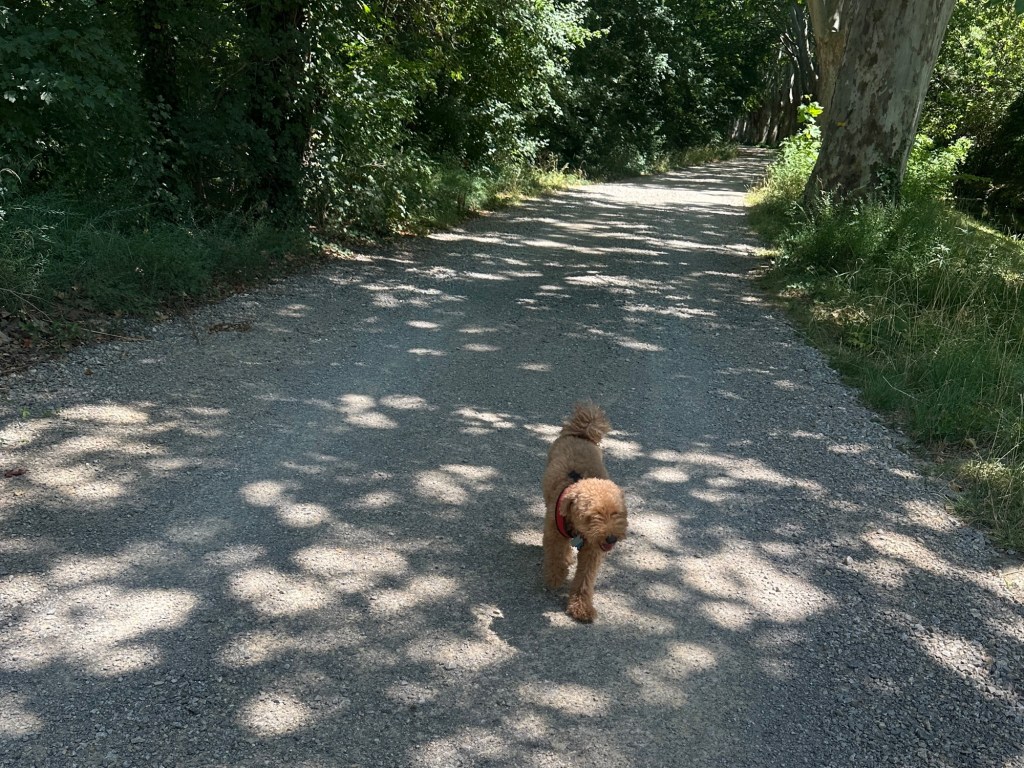
Sallèles-d’Aude where we enjoyed many walks with Duhkxy
Duhkxy

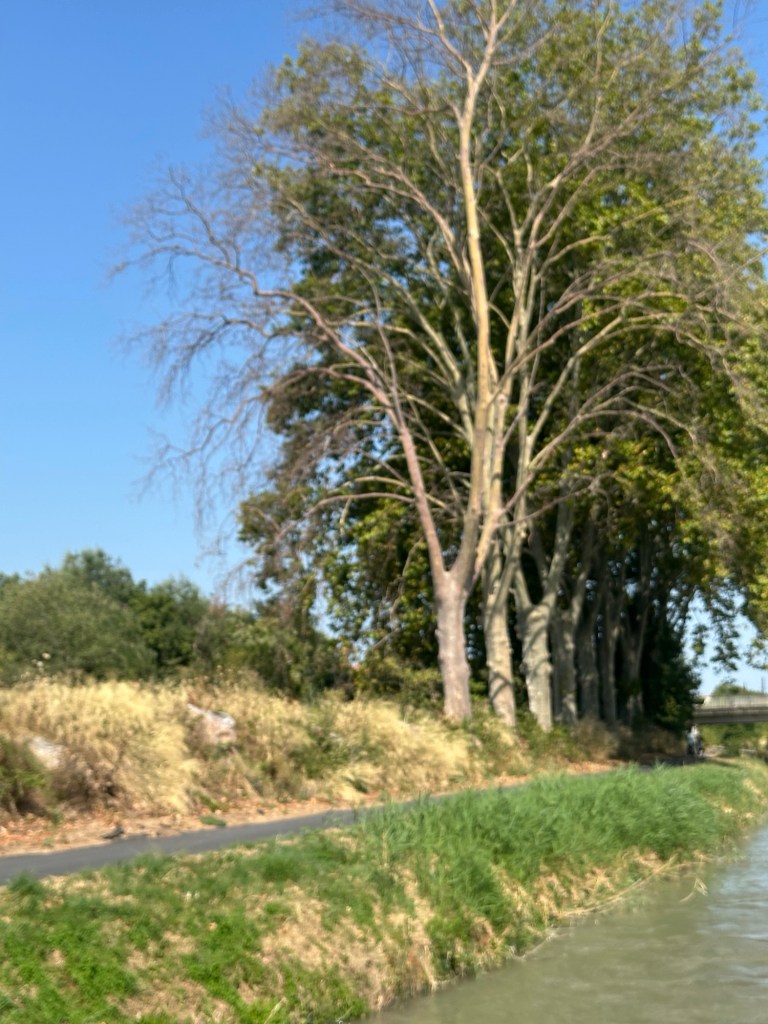
Last year we witnessed the devastation that had befallen Sycamore trees caused by a universally lethal fungus. It was killing hundreds and hundreds and many miles of Sycamore trees. From the first evidence of some unhealthy leaves to the death of the tree took only two years. One by one these beautiful trees were succumbing.

Remaining stumps of stricken trees and the next tree in the row soon to follow

This season we were delighted to learn that a vaccine had been developed that is effective in arresting the disease and restoring health to them. It is not a cure, and must be administered every three years but these beautiful giants have been saved for now. A resistant plane tree is being used for replacement of lost trees and tree species diversification has been embraced.

Canal du Midi

Pierre-Paul Riquet devoted 15 years of his life to the research and development required to construct the Canal du Midi. He went on to oversee its construction which started in 1667 and ended in 1681, 7 months after his death. Such was his dedication, he also invested and lost his entire personal fortune, leaving his descendants in debt.

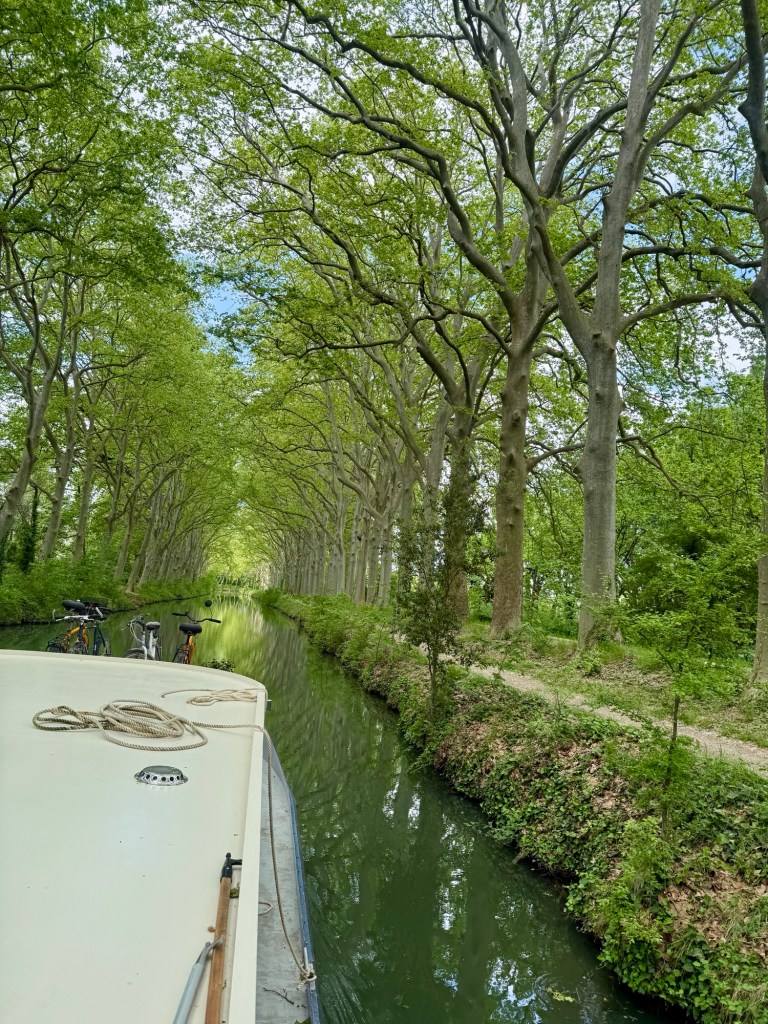
A part of the construction included the banks of the canal be planted with trees to help control errosion. The first trees were primarily willow trees.

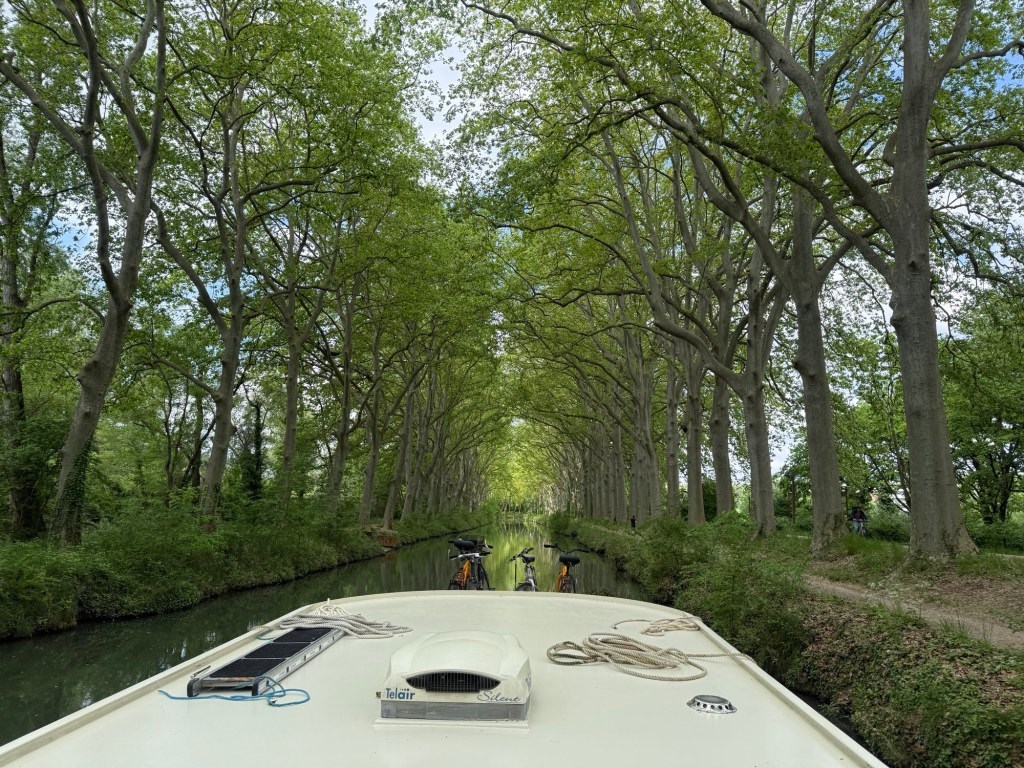
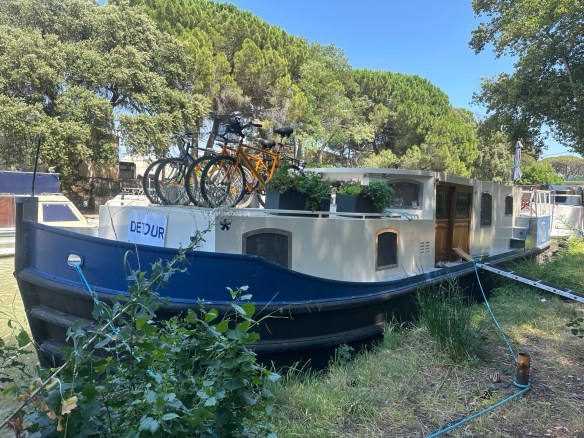
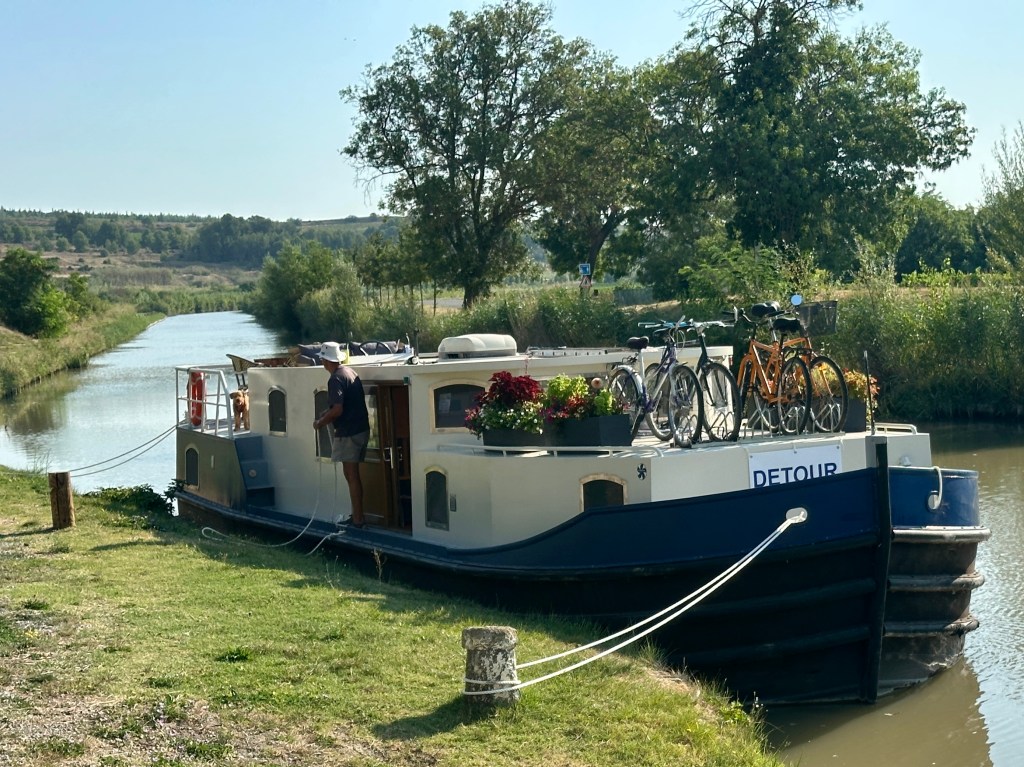
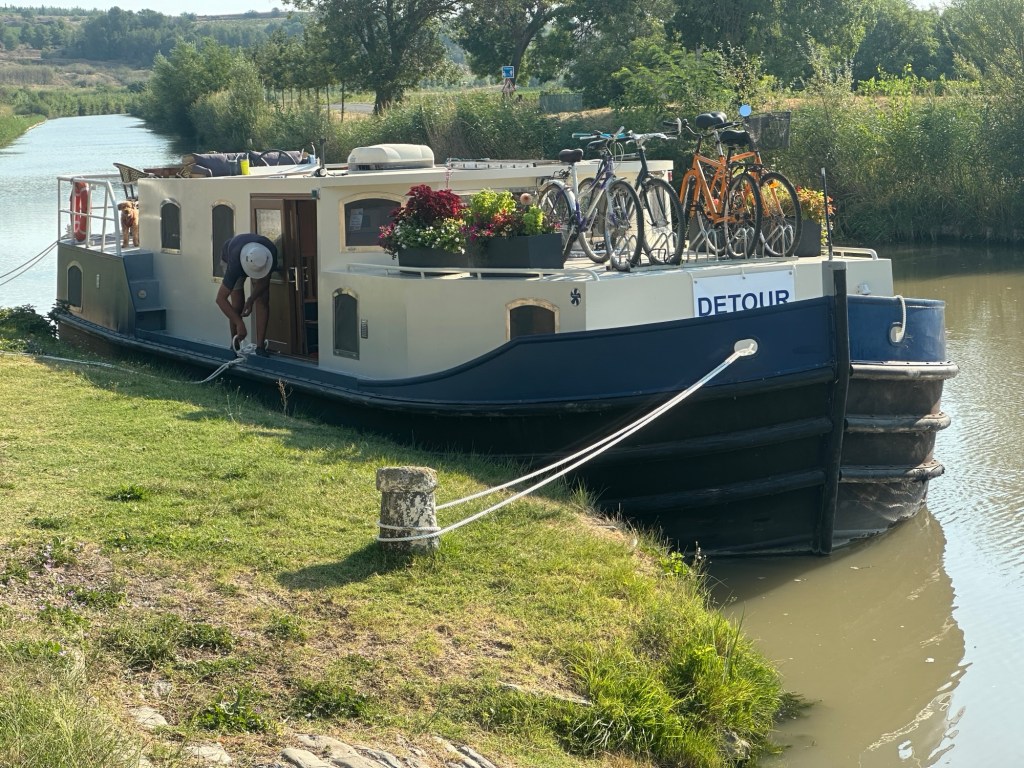
Today, the most prevalent tree is the Sycamore. We are currently canalling the Canal du Midi on “Detour”. In the summer months, the shade of the Sycamores are very welcomed. In their absence, it can be uncomfortably hot.

Detour on Canal du Midi

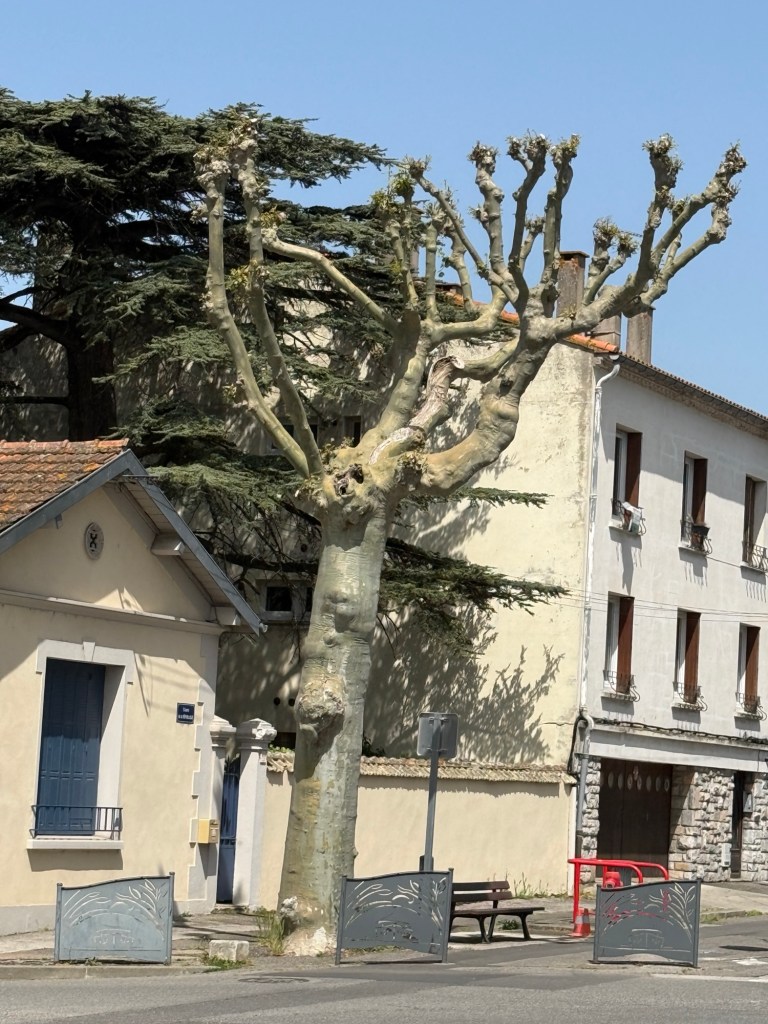
In various settings, Sycamores may grow with no pruning intervention, limbed and sometimes cropped at height of 20-30 feet, drastically pruned to conform to a restricted space, or sheared and almost bushy.

Long live the Sycamores.

Getting Acquainted With our Canal Boat, “Detour”

Until our arrival this spring, we had spent less than an hour with Detour. As with any boat, new or old, we anticipated there there would be things we would need to fix and modifications we would need or elect to make. We did not anticipate how long we’d be sitting in the same spot over a month. If you are a boater, our saga may be of interest. If not, feel free to skip down to Flower Boxes.

Cleaning

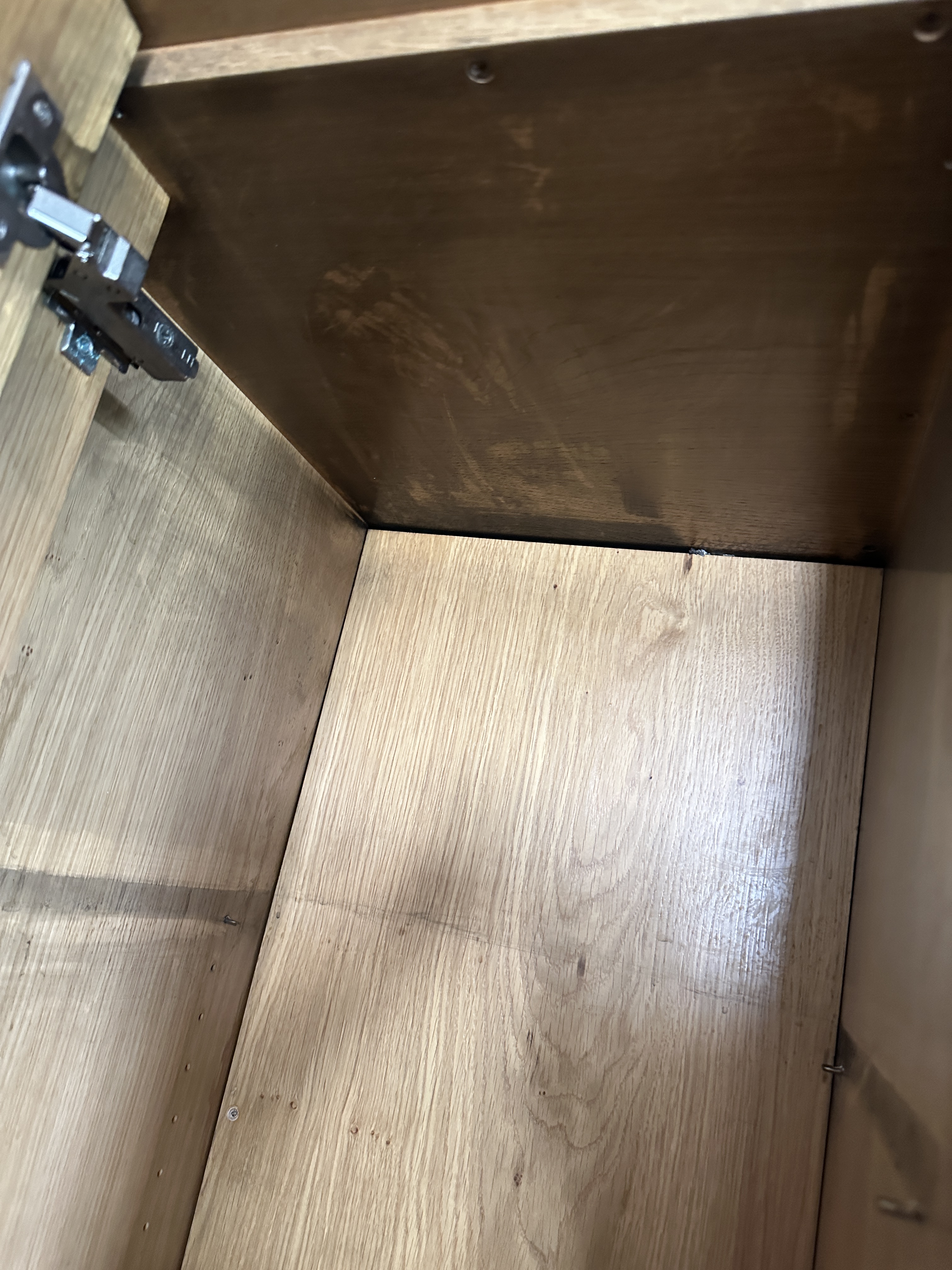
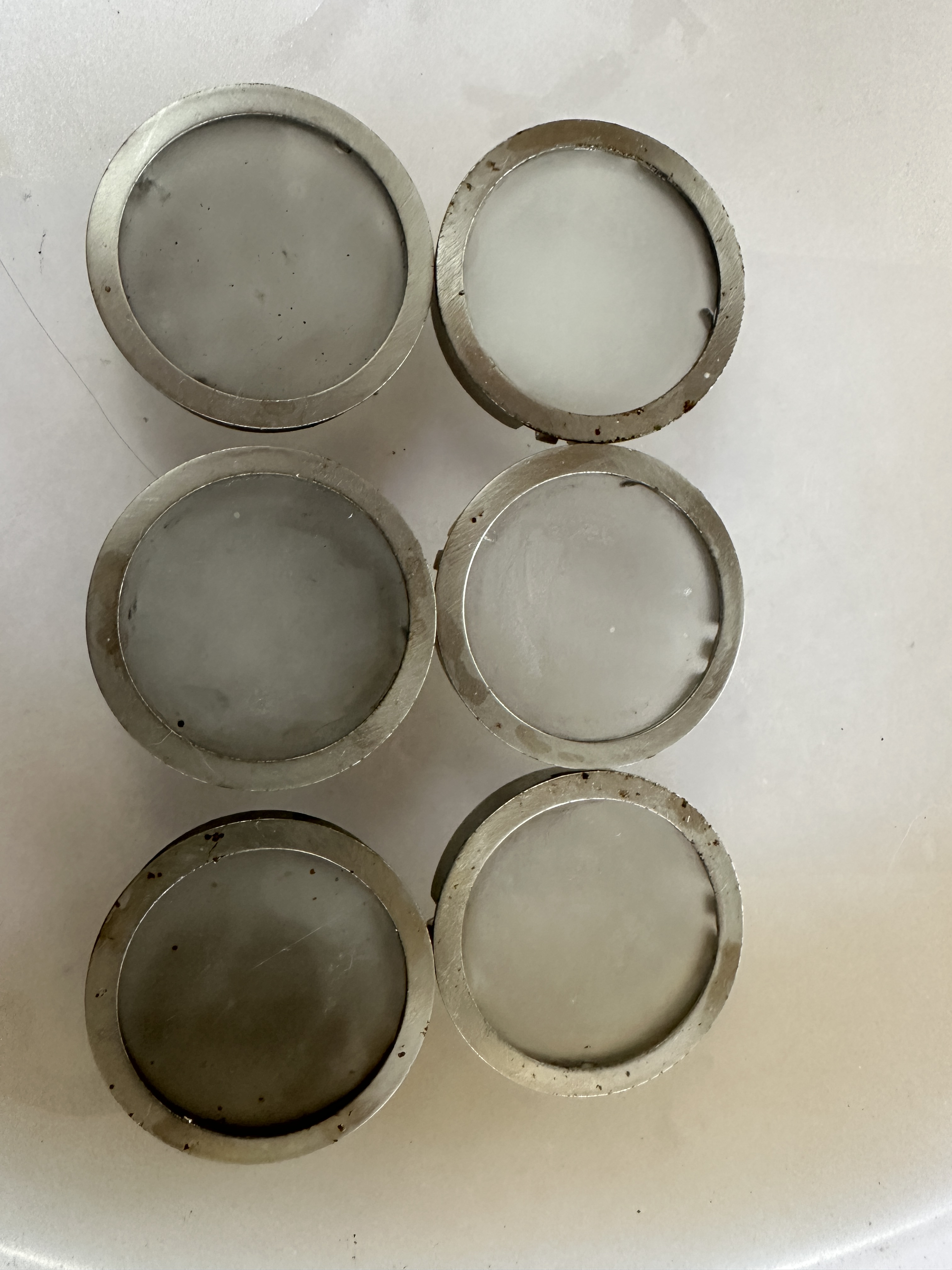
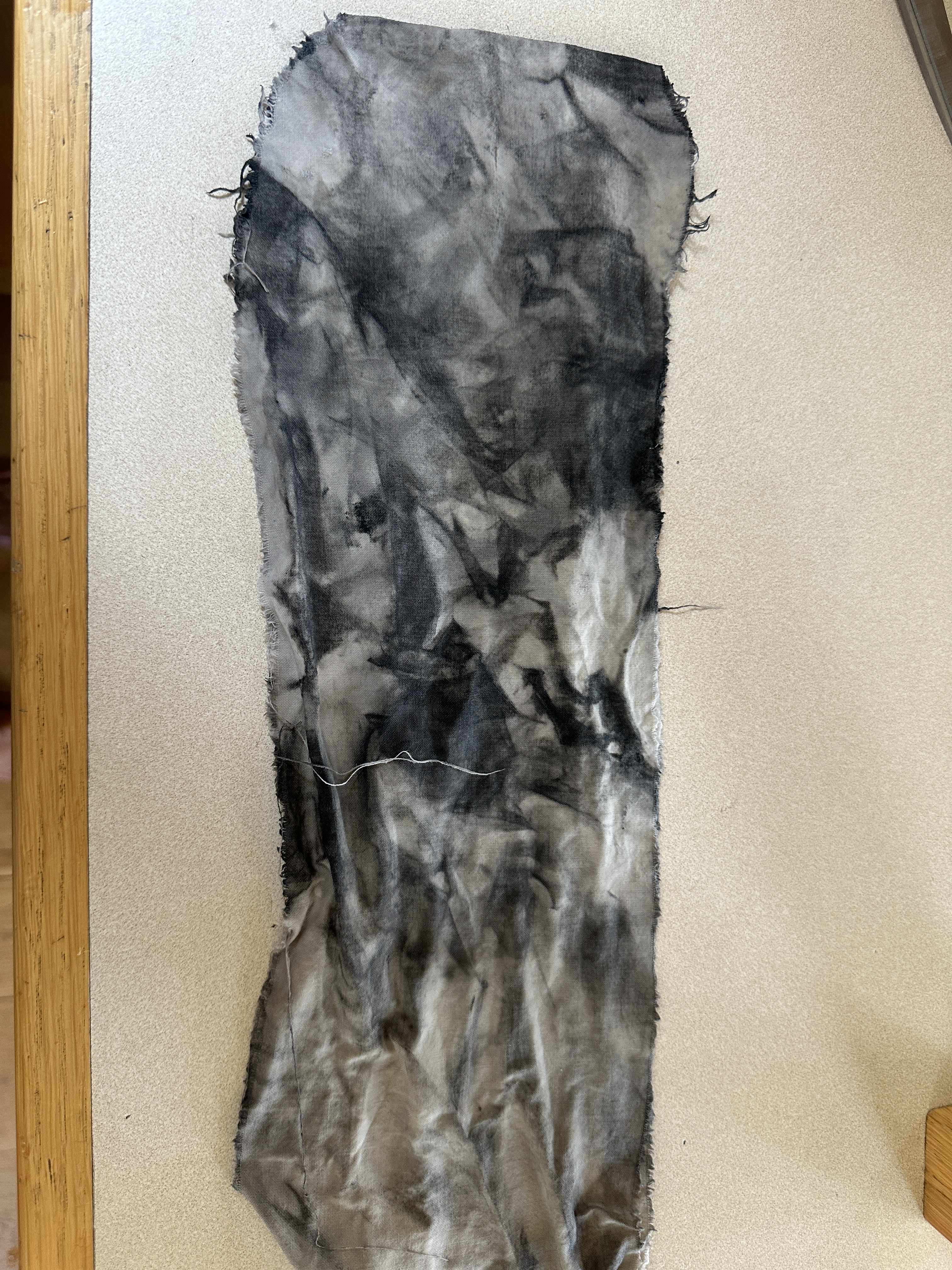
Detour, prior to our purchase, was driven for an extended period of time with a broken exhaust pipe. Soot had deposited itself on every interior surface. We are thankful to those who were tasked with the initial cleanup. However, we encountered many areas that had been missed or insufficiently cleaned! Luckily for us, we found a product that was up to the task.

The images below, left to right are of:

  1. a cabinet shelf that had been partially cleaned
  2. ceiling light fixtures before and after we cleaned them
  3. one of dozens of rags used to remove the soot
  4. the only product we found that did the job

Electrical issues

  • Can’t turn the engine off (fuse kept blowing – replaced it with a modestly higher amp fuse).
  • Outlets on the port side were not working (their wires were fed through the circuit breaker for the air conditioner which was turned off).
  • Replaced British outlets with French outlets (not really an issue – our preference)
  • Air conditioner not cooling (solution – fans for the time being) – not typically an issue for us, but 100+ degree, 10 hour sunlight and an all steel boat makes for some pretty uncomfortable nights.
  • Refrigerator not cold enough (stifling heat, rumpled gasket, insufficient air exchange in closed cabinet) – modest improvement – still working on replacing gasket – needs to be sent from England
  • Shower water fixtures inoperable (what we expected would be a simple thing to replace, turned into many hours laboring to create a watertight connection between piping installed in England which is 15mm, while piping available in France is either 14mm or 16mm.)

Mystery

The four bicycles included in our purchase agreement for Detour were missing. The port manager and the Captainairie had no knowledge about them. Several weeks later we happened upon them. They were on a canal boat owned by the gentleman who moved Detour to Port de la Robine. Apparently after painting the top sides of Detour, he had to leave France suddenly. We expect he moved the bikes to his boat while he was painting and forgot to let anyone know.

Flower Boxes

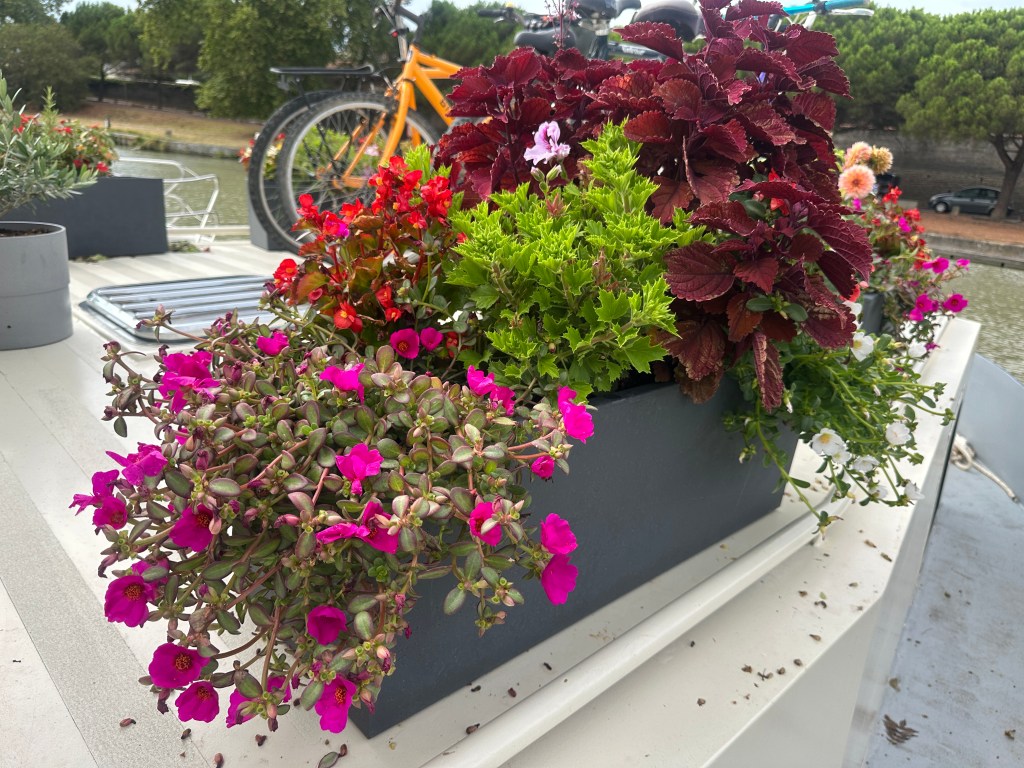
Our joy in seeing canal boats decked out with flowers made it a priority to install them asap. They included lots of flowering plants, as well as basil, mint, chives, parsley, and cilantro. We had no insect issues and everything grew beautifully. Note to all, however, plant your mint in its own container – it is very aggressive.

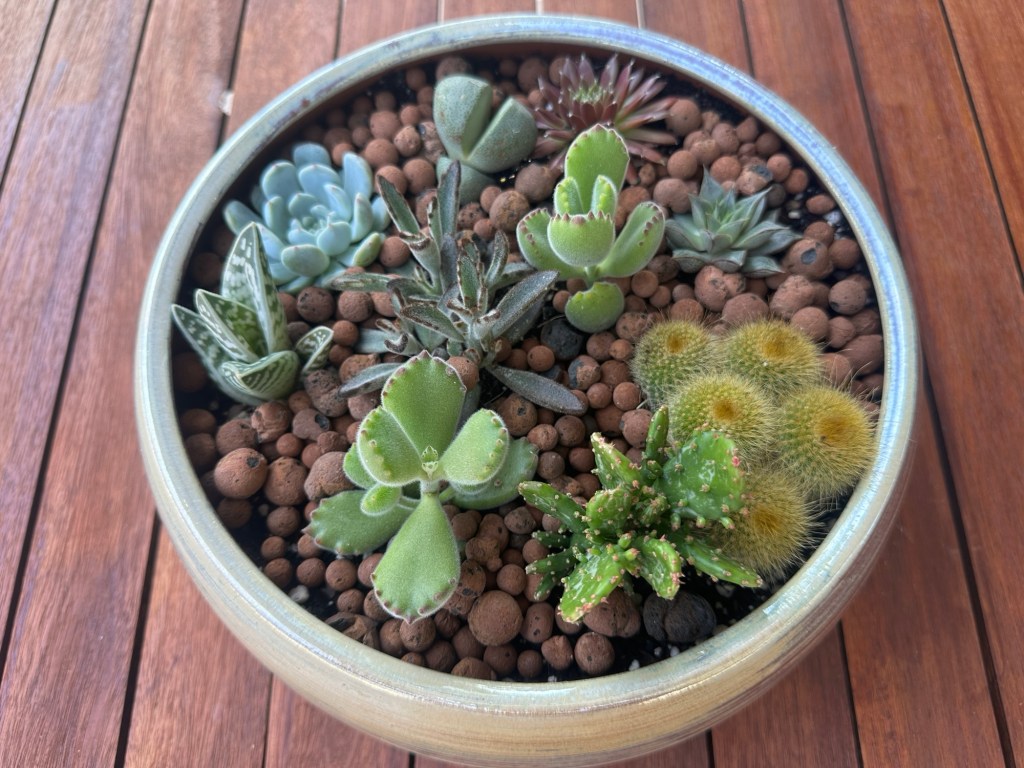
We also started a succulent planter that we hope will make it through the winter months when we will not be in France.

Shopping

Detour had been a charter boat previously and came with sufficient dishes, silverware, towels, cooking pots, et.al. such that we could live on her with the resources already present. We did, however, want to furnish and decorate her in a style of our own. This required a great deal of shopping. As we were in a very small town, and relying on bicycles primarily for transportation, we shopped on line for much of what we needed. We could not have imagined what a challenge that would present when it came to getting our purchases to us.

We did not always know the location of the vendor and the dates they conveyed for delivery were unreliable. Nonetheless, someone needed to be there to sign for the package and when you were on the lookout all day for a delivery truck that never came – well you can finish the sentence. Some vendors had difficulty finding the boatyard and we would receive word that our item was undeliverable. This, at times, prompted them to immediately return the purchase. It did not mean we were immediately reimbursed. We are still waiting for reimbursement for a rug that was returned to Switzerland as it has been hung up in customs for months. Despite these challenges, we believe we have outfitted Detour very smartly.

Our daughter and her husband visited us towards the end of our stay in France and took this video of Detour. I hope you agree she looks comfortable and pretty.

Back to Canaling

Our first experience on the French Canals began in April, 2017. We had just purchased our sailboat “Ice Floe deux”. We bought her in Cherbourg, situated in the north of France on the English Channel.

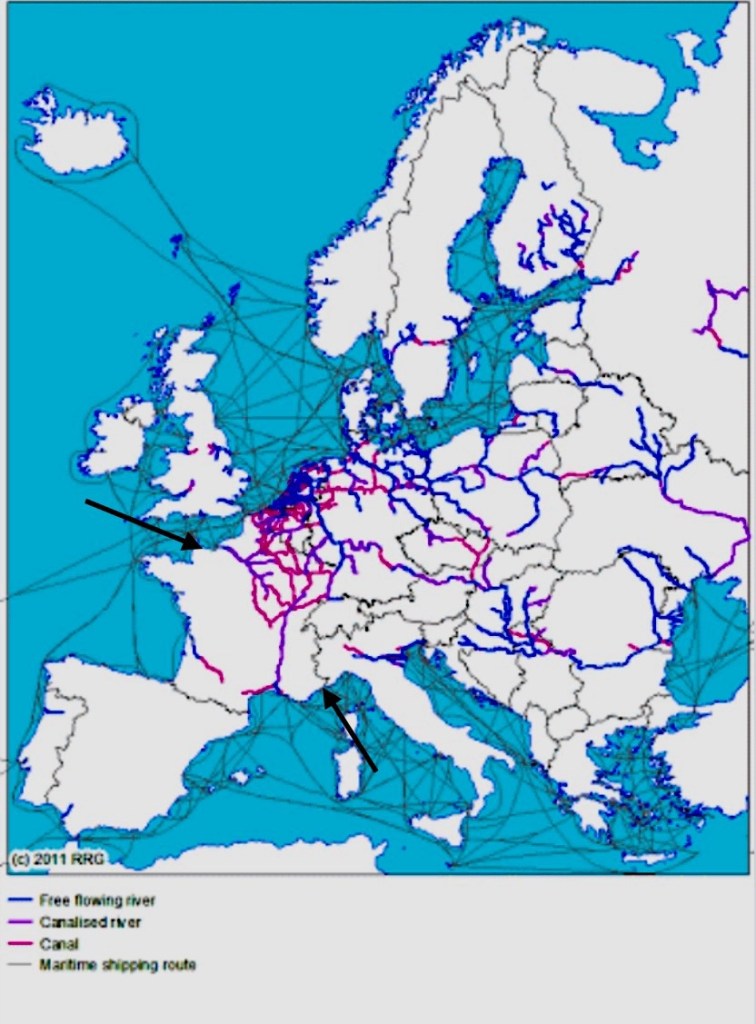
This depicts the extensive canals and waterways of Europe. The arrow in this photo between France and England points to Cherbourg and the arrow on the Mediterranean coast points to Nice (approximately).

On this voyage we passed through beautiful villages, vineyards of great distinction, the very heart of Paris, Lyon, and other beautiful cities and towns. Our trip on the canals ended in Nice, on the Mediterranean coast. The trip took 3 weeks.

We flew through 189 locks, and crossed 2 aqueducts as we bisected France from North to South following a brisk itinerary that involved joining guests and family at specific locations.

There are quite a few Blogs on this site detailing this amazing journey. We knew we must come back. This time, we would immerse ourselves in all France has to offer at a snail’s pace.

Speaking of Snails…

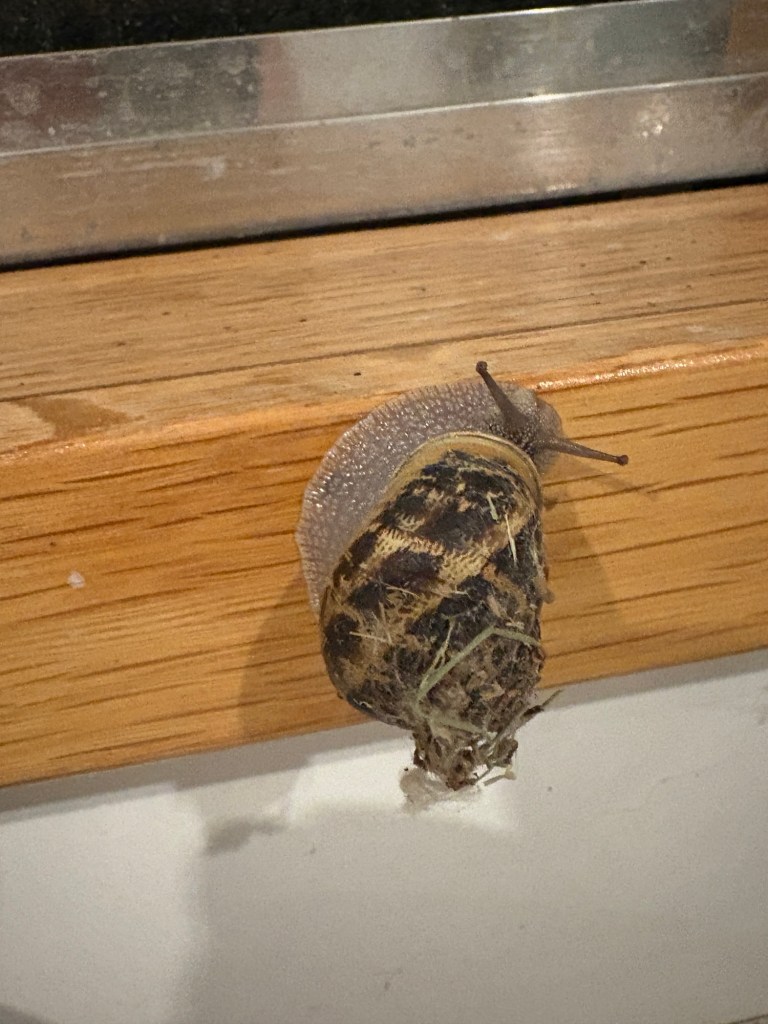
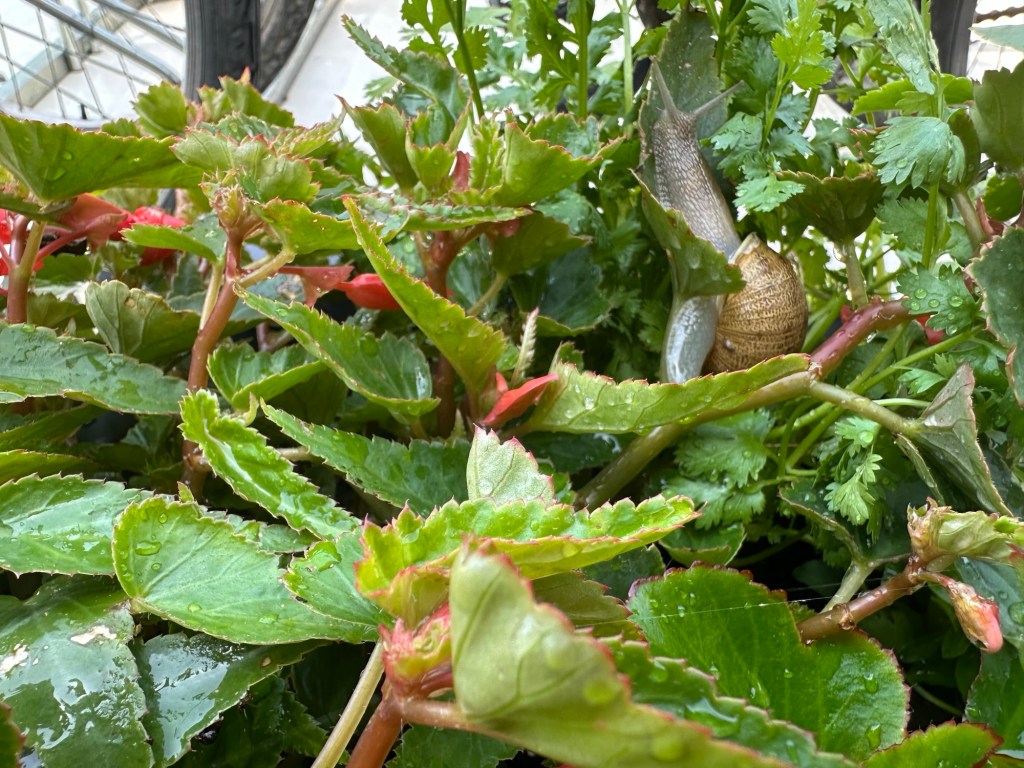
Snails, we have concluded, thrive in France – with little to no sense of boundaries.

They sneak in through your windows (we have put up screens)
Snails find their way to planters on the boat deck (we gently send them back to land).

It is well known that many snails are eaten in France prepared as escargot. I cannot personally verify that the small garden snails we have been entertained by are eaten, but I do see some reference to that in my reading.

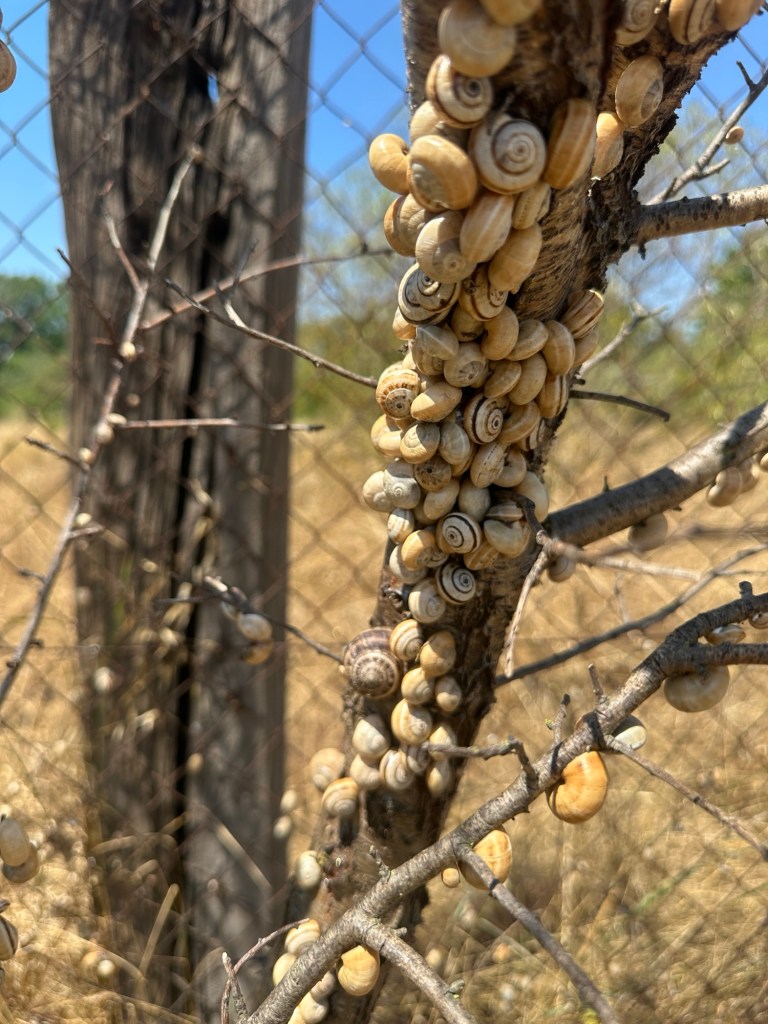
The snails we have been observing are most active in the rainy season. They are known to display a very interesting behavior during very dry and hot weather. We saw this shortly after we arrived. It did not rain for a solid month and temperatures were a stifling high 90s and low 100s.

During hot, dry spells, these snails climb up a tree or stalk, cover the opening to their shells with a thin membrane, and remain dormant until weather conditions improve. This behavior is called “aestivating”

We have also seen larger snails that appear to have partially buried themselves in the soil.

These, and many more interesting things await our discovery as we canal our way through the miles and miles of French canals.

After spending two seasons in the Mediterranean (detailed in blogs on this site), we had Ice Floe shipped from Genoa, Italy to St. Thomas and have been exploring the Eastern Caribbean and ABC islands (Aruba, Curaçao, and Bonaire) for several years.

We always knew we would someday return to canalling.

As our travel schedule took us away from home for a good portion of the year, we began considering, the wisdom of selling our home in the US. It was, for me, an agonizing decision. George built our beautiful home, almost single-handedly, and I will always feel a little ache at the thought of never living there again.

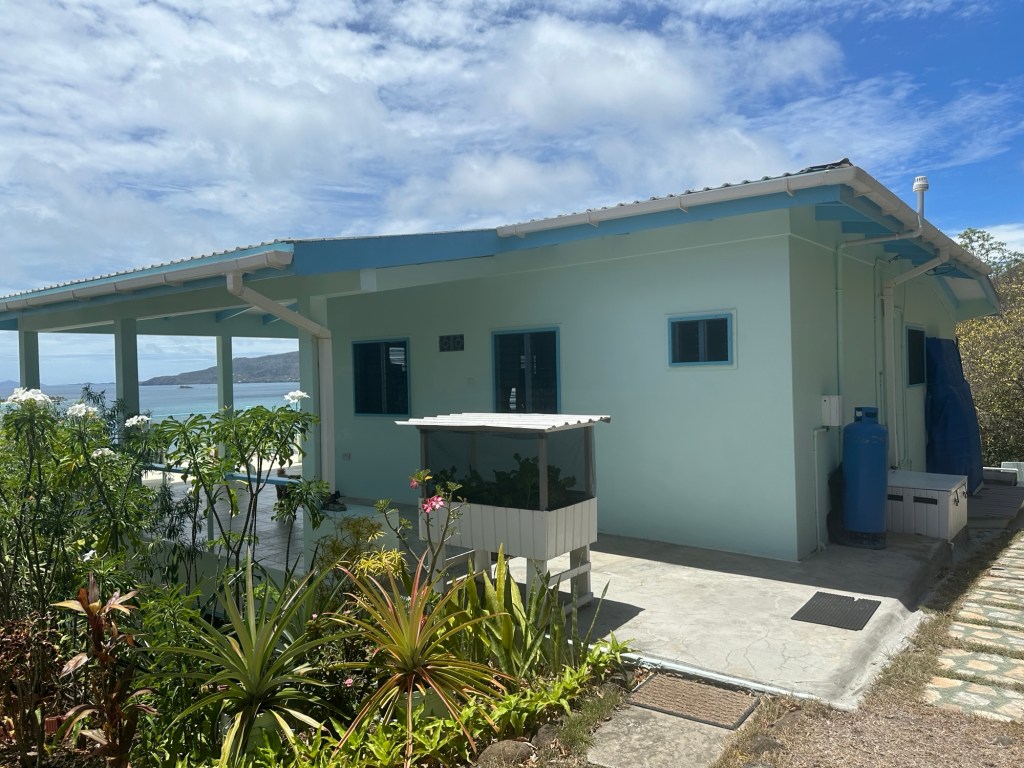
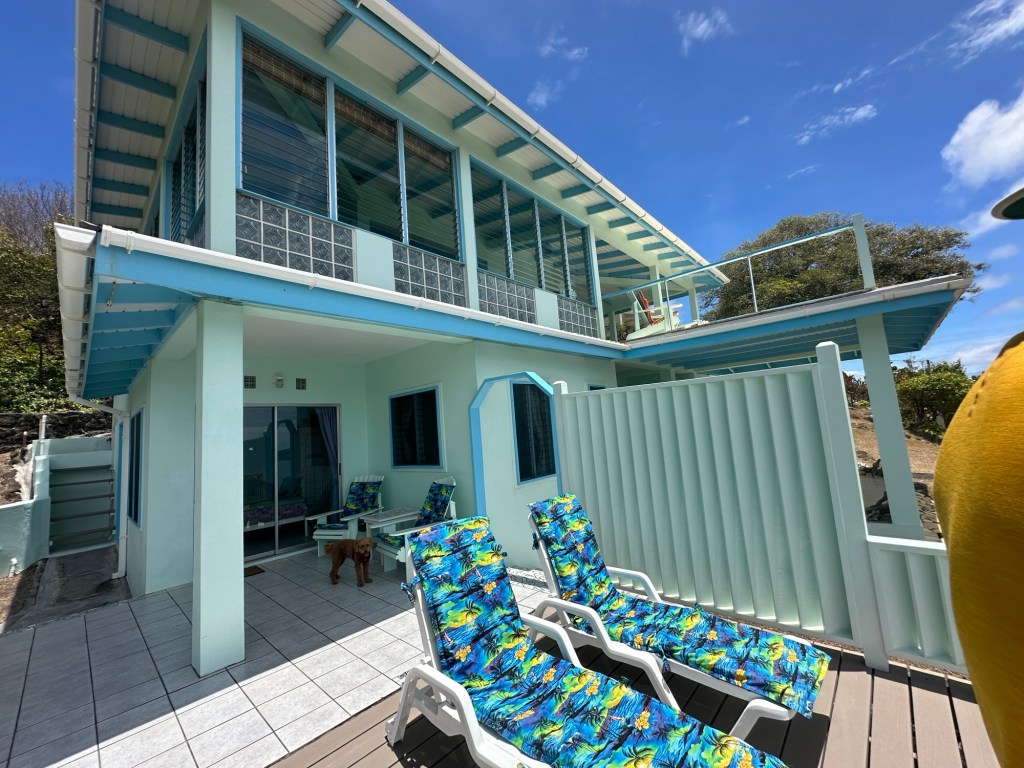
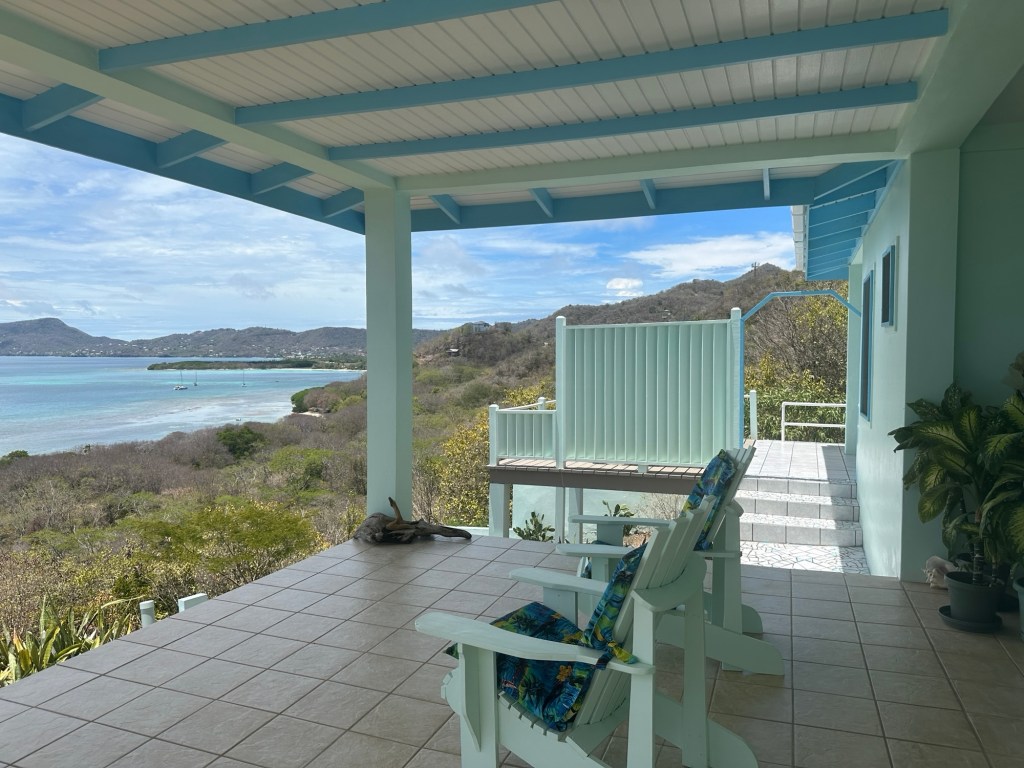
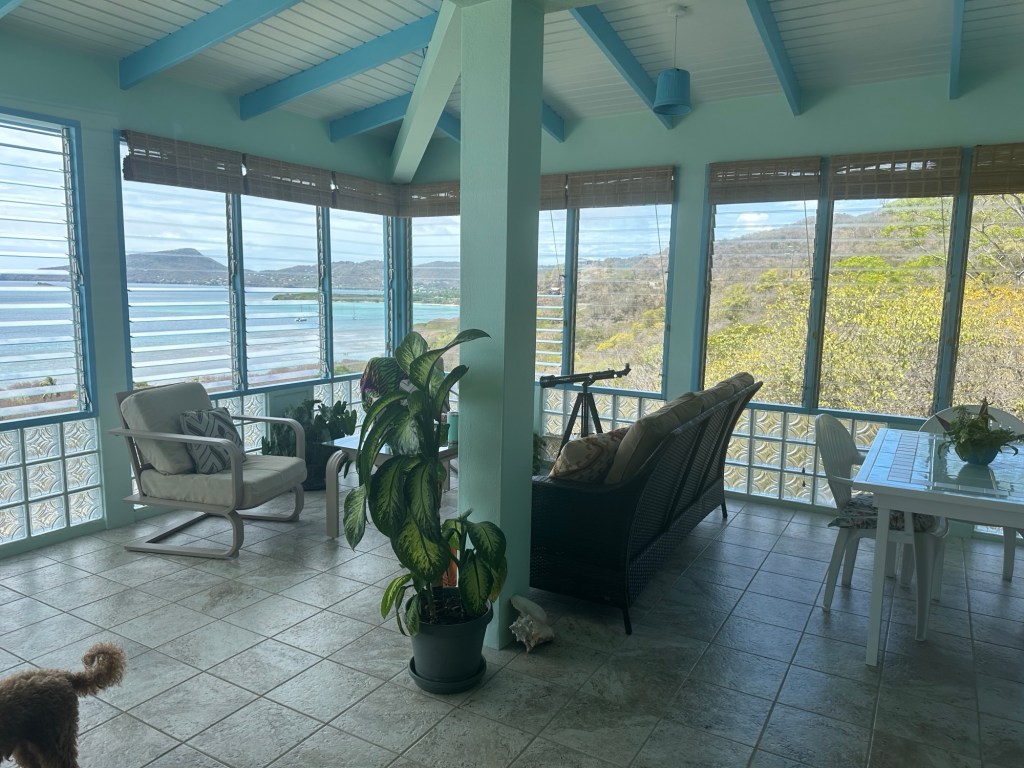
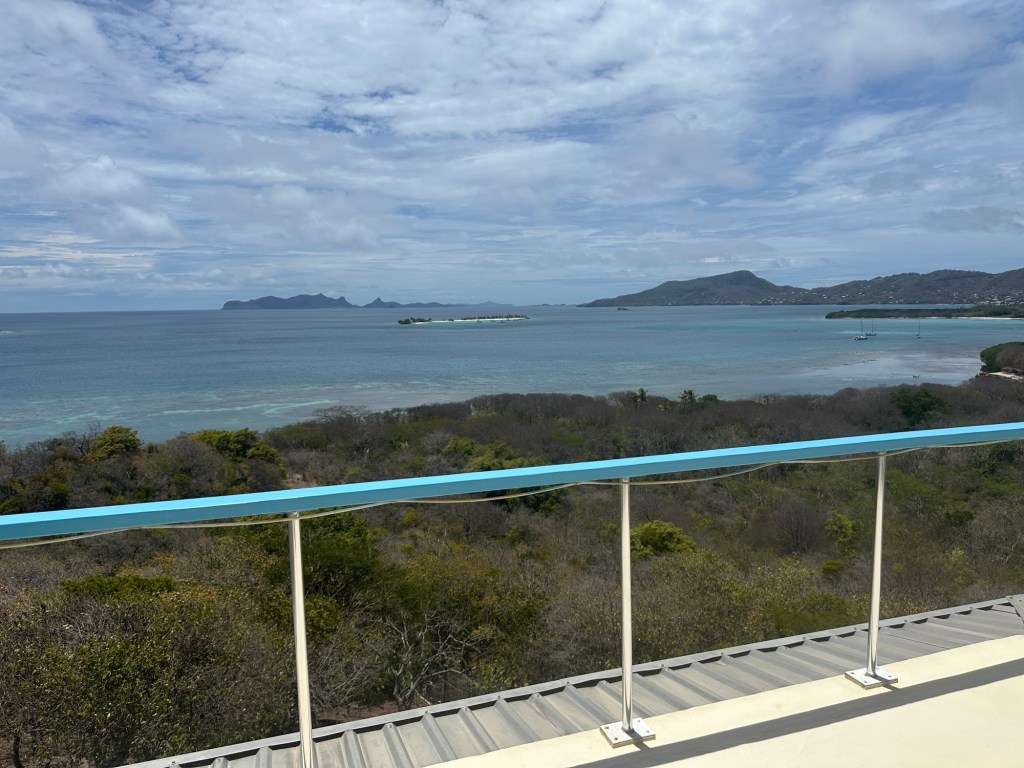
My ache has been somewhat assuaged by our decision to purchase a canal boat in France, and a beautiful vacation home in Carriacou.

To France and the Mediterranean

Day -24. March 31, 2017

It’s official.  We are headed to France to pick up our new sailboat “ICE FLOE deux” for our sail through the interior of France via canals and rivers to the Mediterranean.  This part of the trip includes 179 locks (water elevators), several aqueducts (bridges with a water channel for the boat), and lastly tunnels (holes through mountains), that collectively, get us over / through the Alps.  

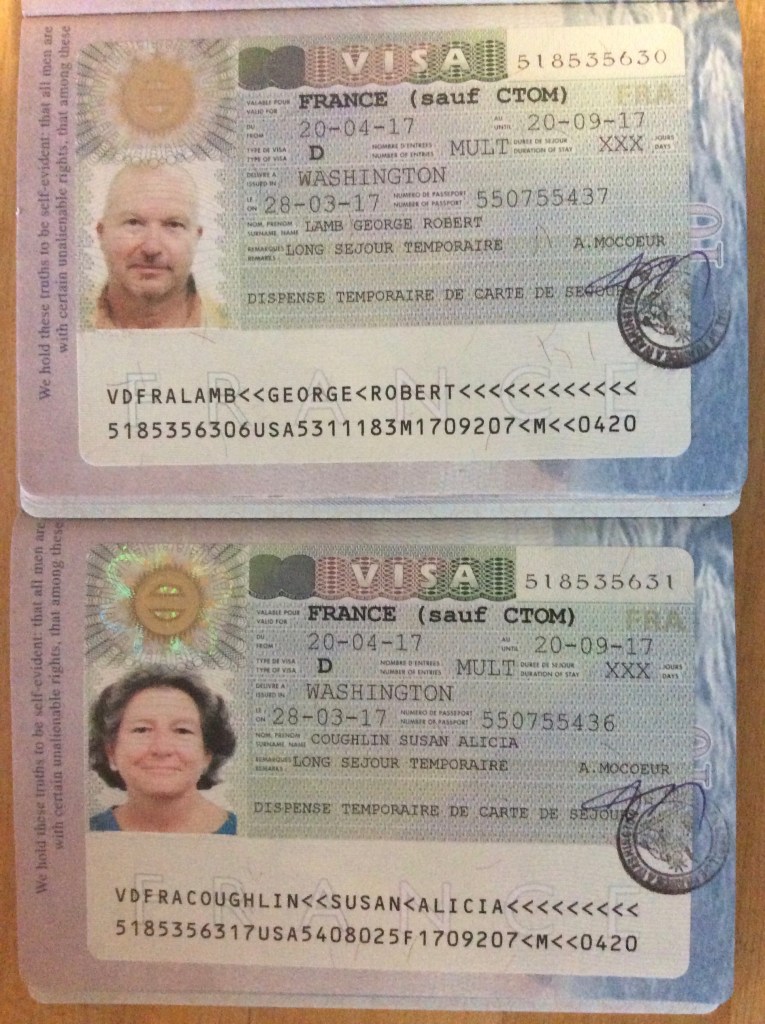
We just received our long term VISAs – what an  adventure we had applying at the French Consulate in Washington, DC.  Documentation requested included a French translation of our birth certificates, evidence of sufficient financial assets and medical insurance, declarations that we would not seek work in France, an address for where we would be staying (tricky), et al.

What nearly tripped us up was the traffic in Washington, but George came through, as always, and delivered me to the front door as the clock struck 9:00 am, the time of my appointment.

In preparation for our trip, George needed certificates in evidence of his sailing skills and knowledge of how to navigate France’s interior waterways.  In all, this required 100 plus hours of study, completion of two written exams, and a practical exam in Houston, TX.  I was tasked with re-learning French, to a tune of about 3 hours of Rosetta Stone so far.

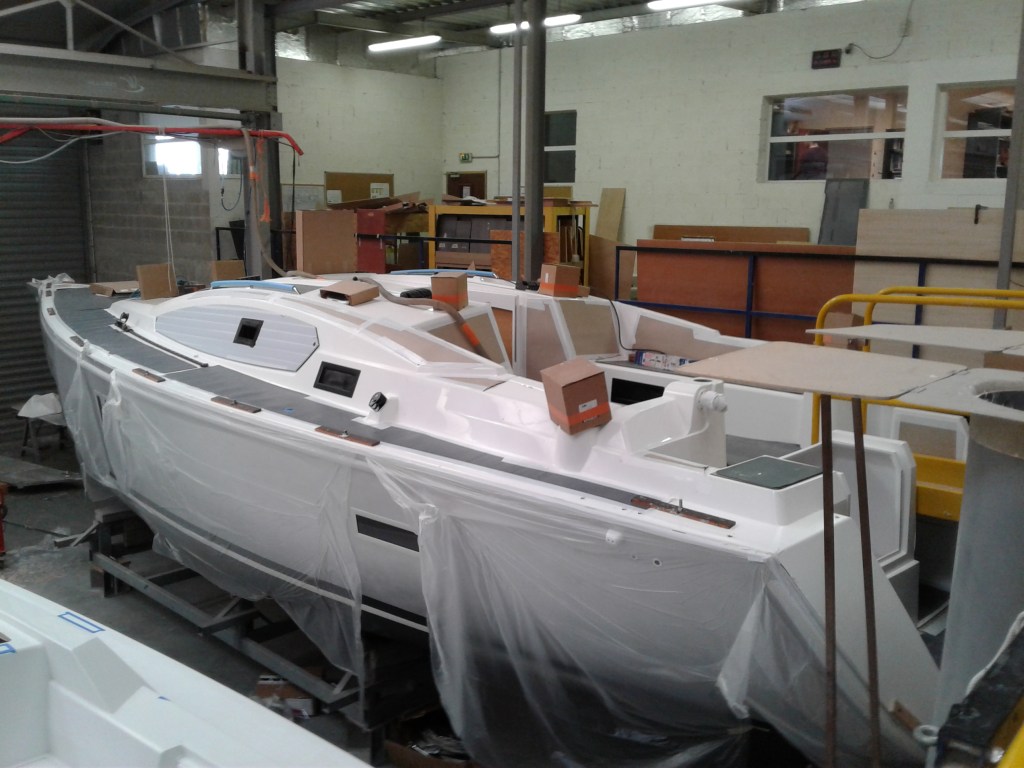
ICE FLOE deux is in her last stages of construction.  To outfit her we carried 200 lbs of equipment when we traveled to France this past January, and will bring another 300 lbs when we fly to begin our trip.  Our guests on this adventure will include Nancy and Bruce, who will join us for a part of the trip through France, and  Marilla, Mitch, Allison, Mike, Riley, and Tristan, who will join us in the Mediterranean.  Marilla and Mitch are transporting two paddle boards and Allison and Michael will bring sleeping bags for Tristan and Riley.  For the duration, we have saddled Riley with care of our rabbit Dickory, and Margaret and Burt with our beloved Chaze.    Diana will keep an eye on the house. We appreciate everyone’s support.